Heritage
A house, in its own words
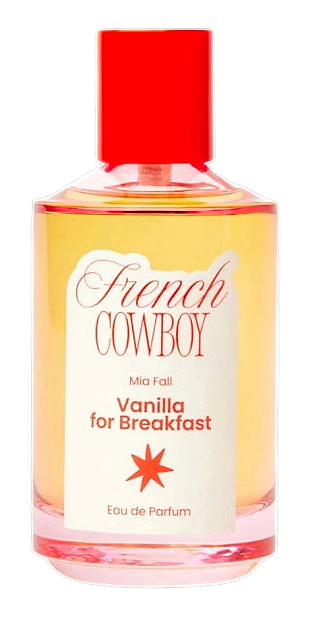
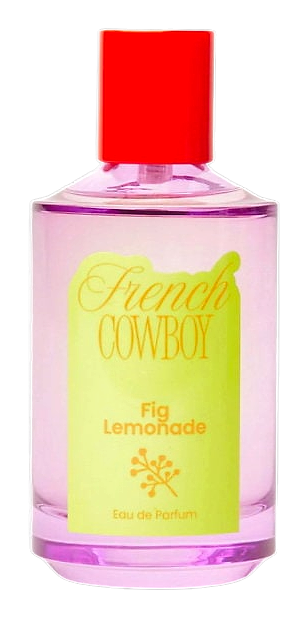
French Cowboy arrived on the niche fragrance scene in late 2025, born from the partnership between perfumer Ashley Santiago and her husband, Adrien Ollat. Santiago, who trained at Givaudan's prestigious perfumery school in Paris, brought technical depth from one of the world's most respected fragrance houses. Ollat contributed the cultural and creative vision that shapes how each scent meets the world. Together, they built a house grounded in a simple but uncommon idea: perfume as collaboration. The name itself reflects this duality, pairing a quintessentially American archetype with French craftsmanship, a tension that runs through everything the brand does. From the outset, French Cowboy positioned itself as a fully digital brand, choosing online exclusivity over traditional retail. This decision allowed the founders to move quickly, work directly with their audience, and invest in storytelling rather than shelf space. Early buzz centered on the brand's refreshingly transparent approach to fragrance creation. Santiago opened her process publicly, sharing development notes, raw materials, and the reasoning behind every composition. The first release, Pear Pavlova, arrived as a collaboration with a pastry chef and quickly caught the attention of fragrance communities for its gourmand realism and playful concept. The launch demonstrated that French Cowboy could deliver artistic credibility while staying accessible and conversational, a balance few new houses manage on their first try. In 2026, the brand released additional scents developed with cultural collaborators, continuing the model that defined its debut. By mid-2026, French Cowboy had earned a growing following among collectors and curious newcomers alike, with industry observers noting the brand as one of the most compelling independent launches of the year. The story is still early, but the trajectory is clear: a house built on craft, partnership, and a willingness to do things differently. French Cowboy operates on a core belief that fragrance should be co-created, not dictated. Rather than presenting finished compositions from a single creative authority, the brand builds each scent through dialogue with cultural voices, chefs, musicians, writers, and visual artists whose perspectives shape the final formula. The result is perfume that feels like a shared story rather than a solitary vision. Santiago and Ollat see fragrance as a medium for connection, one that captures moments, places, and relationships. Each collaboration begins with a real conversation, often around food, memory, or identity, and the resulting scent reflects that exchange. This approach rejects the idea of the perfumer as distant auteur and replaces it with something warmer and more democratic. The brand also embraces radical transparency. Santiago shares her development process openly, from initial concept to final adjustments, inviting audiences into the studio rather than presenting a finished product behind a veil. This openness builds trust and turns buyers into participants. Above all, French Cowboy wants to make haute parfumerie feel alive. Not a museum piece, not a status symbol, but a living practice shaped by the people and cultures of right now.