Heritage
A house, in its own words
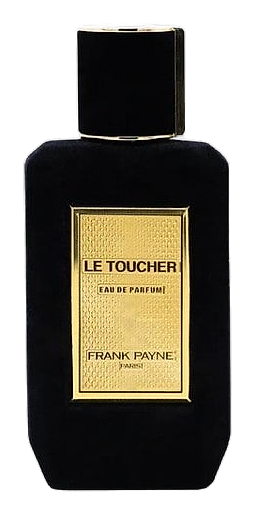
The story of Maison Frank Payne began in Paris in 2015 when the house was founded with a clear artistic vision. From its inception, the brand positioned itself not merely as a fragrance producer but as a creative atelier operating at the convergence of perfumery and the visual arts. The founding marked the emergence of a new voice in the niche fragrance landscape, one that sought to challenge conventional approaches to scent creation. The house released its inaugural fragrance, Le Toucher, in 2015, marking a significant milestone that established the brand's aesthetic direction and philosophy. This debut was not hurried to market; rather, it represented years of development and refinement according to sources. The name Le Toucher, meaning 'the touch' in French, suggests a sensory philosophy centered on tactile connection and intimate experience. The house has maintained its commitment to a focused portfolio since then, choosing depth over breadth in its creative output. This measured approach reflects a broader philosophy of quality over quantity, allowing the brand to dedicate substantial attention to each element of production and presentation. Maison Frank Payne approaches fragrance as an art form deserving the same consideration granted to paintings, sculptures, or jewelry. The house articulates a vision where perfume functions as an instrument of emotional connection, capable of revealing depths within the wearer comparable to how a masterwork painting might expose the soul. This perspective informs every decision, from ingredient selection to packaging design. The brand explicitly frames its creations for what it describes as audacious women, suggesting a wearer who values distinction over conformity. Rather than chasing seasonal trends or market demands, Frank Payne operates according to its own internal creative logic. The house describes its values as authentic, a term that, while appearing in brand communications, aligns with observable patterns in their restrained output and attention to detail. The marriage of fragrance with art remains central to their identity, treating each perfume as a collectible object rather than a disposable consumer product.