Heritage
A house, in its own words
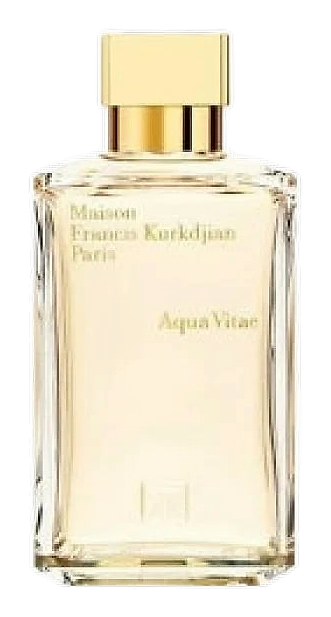
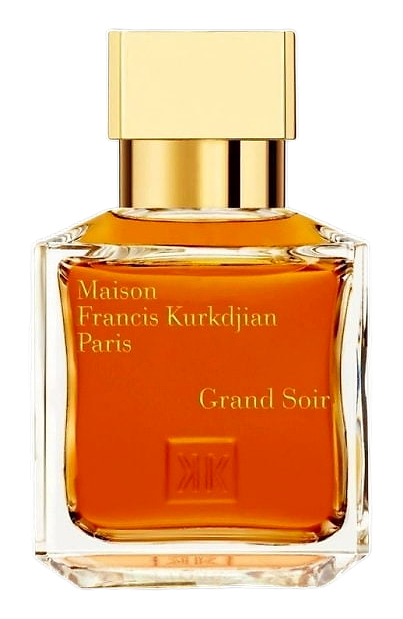
Francis Kurkdjian grew up in Paris, the son of Armenian parents, and announced early that he wanted to be a perfumer. He trained at ISIPCA in Versailles and earned his first major commission at a young age, the famed Le Male for Jean Paul Gaultier in 1995. That debut earned him the title of boy wonder of French perfumery and set the stage for a prolific career composing scents for houses across the luxury spectrum. By his late thirties, Kurkdjian was restless. He wanted to build something of his own, a house where the creative vision would not be filtered through marketing committees. In 2009 he partnered with Marc Chaya, a Lebanese-French financier and former Ernst & Young partner, to co-found Maison Francis Kurkdjian in Paris. The model was simple: the perfumer leads the creative direction, Chaya leads the business. The maison arrived with a clear point of view from the start. Kurkdjian had already been commissioned by the Palace of Versailles to recreate the lost perfume of Marie Antoinette, a project that signaled his gift for historical research married to contemporary composition. The house's breakthrough arrived with Baccarat Rouge 540, created in collaboration with the crystal maker Baccarat to celebrate the brand's 250th anniversary. Its saffron, amberwood, and cedar trail became a worldwide phenomenon and redefined what a modern luxury fragrance could smell like. The house joined the LVMH group in 2017, a move that brought global reach without diluting Kurkdjian's authorship. Today the maison operates from Paris with Kurkdjian still at the creative helm, continuing to release collections that span extrait, eau de parfum, cologne, and lifestyle objects, each bearing his name and his vision. Kurkdjian has often spoken about perfume as a vector for emotion, not decoration. He designs scents to be worn close to the skin and felt by those nearby, a stance that shapes every brief he writes and every formula he adjusts. Where many luxury houses chase trends or franchise their hits into endless flankers, Kurkdjian treats each composition as its own object with its own reason to exist. The maison's creative direction rests on a few guiding principles. Material quality comes first, with Kurkdjian sourcing naturals and high-grade synthetics to achieve clarity rather than abundance. Restraint matters: his compositions tend to be built around a few well-chosen notes rather than crowded pyramids. And wearability is non-negotiable. A Kurkdjian scent, even a dense oriental, is calibrated to live on a body, not just to impress on a blotter. He has also resisted the industry's drift toward celebrity bottles and logo culture. The house names its perfumes after ideas, places, or feelings, Aqua Vitae, Oud Satin Mood, Gentle Fluidity, Grand Soir, and lets the juice speak. That approach has aged well. As the wider fragrance world has grown louder, Maison Francis Kurkdjian has stayed quietly confident in its own register, a house where the perfumer's point of view is the brand.