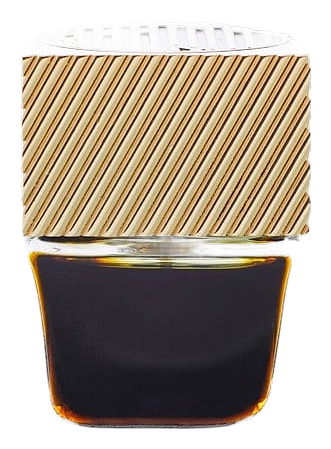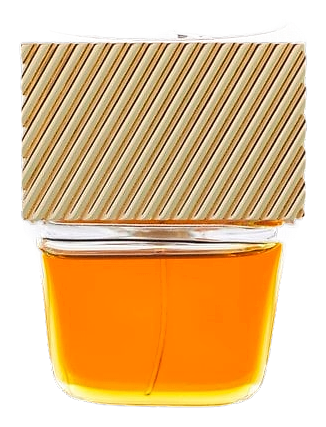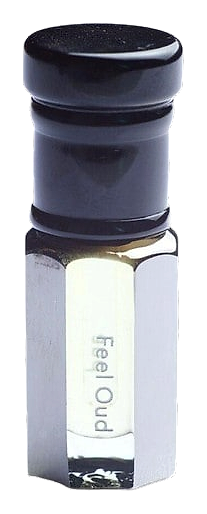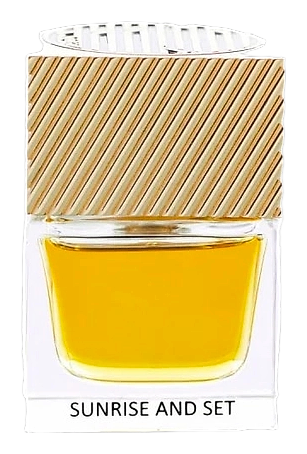
The Story
Why it exists.
The beginning
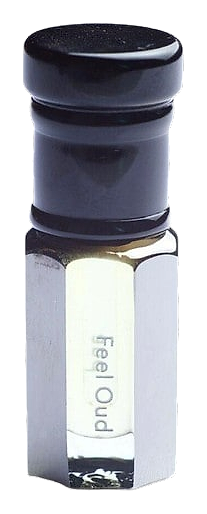
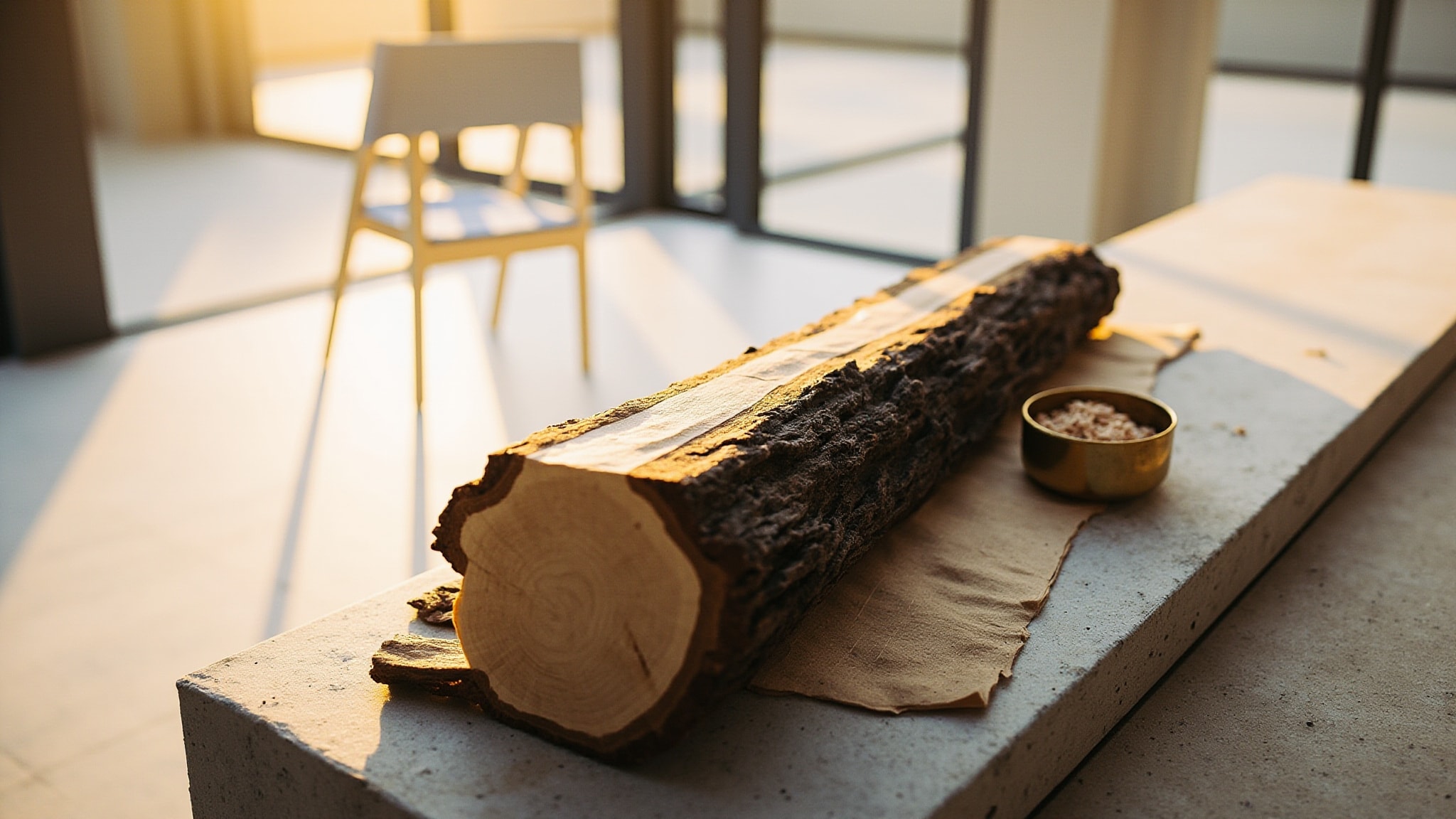
Santal Champaka distills one idea to its essence: what happens when two of the world's prized sandalwoods are placed in the same bottle. Indian sandalwood, Thai sandalwood, both distilled in 2023 and married without interruption. Feel Oud treats the composition with the same care they bring to their oud oils. No top notes, no citrus opening, no florals to smooth the edges. Just wood, layered twice. The result is a study in how the same family of material can shift character, and how those shifts become interesting when they share space. Sandalwood has long occupied a privileged place in perfumery, valued for its creamy warmth, its fixative power, and the way it anchors a composition without ever demanding attention.
Indian sandalwood carries a creamy, almost milky density, rich and long prized in perfumery for its fixative warmth. Thai sandalwood offers its own character, with a profile that reads distinctly from its Indian counterpart. Putting them together creates a tension that neither achieves alone. Feel Oud's approach means the bottle contains two distillations, one final blend. No synthetic sandalwood substitutes, no reconstruction. Just the real thing, twice.
The evolution
The first minutes are remarkably smooth. There's no citrus kick, no spice lift, no aldehyde sparkle to announce arrival. What you get instead is a dense, uniform cream that reads as woody before your nose can pick out anything more specific. The Indian sandalwood's buttery side dominates early, warming the skin and settling into fabric with the patience of an oil that knows it has hours ahead. Gradually, something shifts. The Thai wood surfaces, drier and more aromatic, and the composition stops being one-dimensional. The contrast between the two becomes the point. As the hours pass, the cream deepens into something darker, closer to roasted nut than fresh wood, and the Thai's faint green aromatic edge is what keeps it alive. Eventually the sillage pulls close, but the scent itself hasn't faded.
Cultural impact
Santal Champaka serves as an education disguised as a scent. For wearers curious about what separates regional sandalwood varieties, the fragrance places two expressions of the same botanical species in direct conversation, allowing the differences in terroir, processing, and aromatic profile to reveal themselves without mediation. The composition appeals to anyone interested in fragrance as material study, and to those worn out by compositions that bury their best notes under a dozen supporting actors.