
Heritage
A house, in its own words
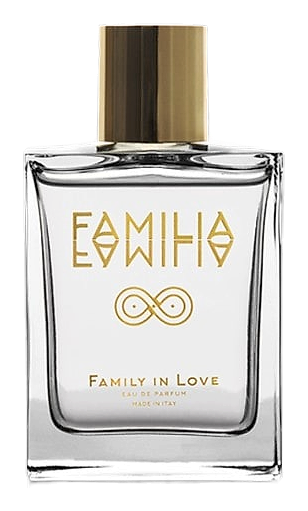
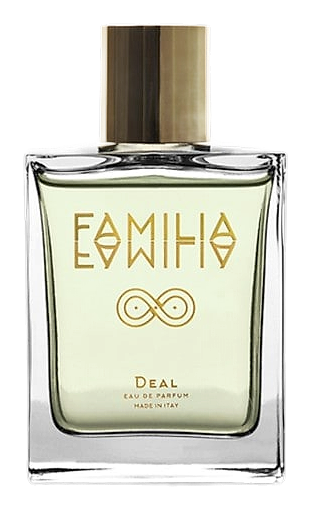
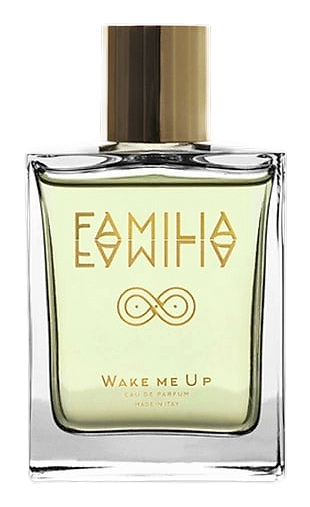
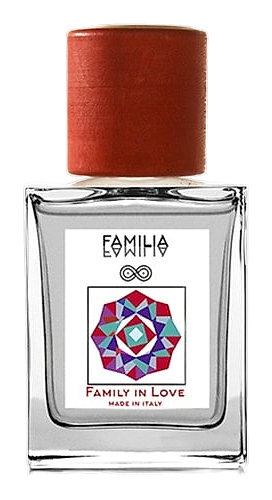
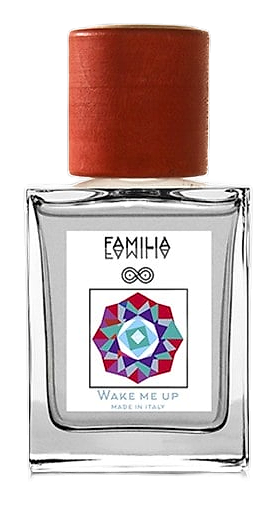
Familia Familia began in 2018, when Italian brand founders Claudia Ranieri and Alessandro Roja developed a fragrance project rooted in the concept of family. This origin places the house within Italy’s long culture of fine perfumery, while its identity comes from contemporary themes of closeness, companionship and shared memory. Rather than drawing its history from a documented family of perfumers or an inherited apothecary, the company presents family as a creative framework. The name Familia Familia reinforces that idea through repetition, making a private social bond part of the brand’s public identity. The earliest catalogue reflects this premise closely. Enjoy The Weekend evokes a shared break from routine, while Family In Love centers romantic devotion. Deal introduces humor and wordplay, and Wake Me Up turns an ordinary morning gesture into a fragrance story. Variants titled Wake Me Up Baby and Family In Love Baby extend the same narrative with a softer, more affectionate register. All six listed fragrances date to 2018, giving the debut range a coherent launch collection rather than suggesting a long succession of unrelated releases. Independent research confirms the founders, country and year of establishment, but the available material does not establish a later corporate history, a named perfumer or a specific succession of reformulations. Those details should not be inferred. For now, the verifiable heritage lies in a clear founding idea and a concentrated 2018 portfolio built around recognizable family experiences. Familia Familia treats fragrance as a way to name and evoke relationships. Its creative concept begins with family life, but the approach extends beyond literal kinship. Enjoy The Weekend frames time spent together as a distinct ritual. Family In Love gives affectionate attention to partnership. Deal and Wake Me Up use playful language associated with negotiation, teasing and daily exchanges. The Baby editions soften that emotional vocabulary, adding tenderness and a sense of play. This naming strategy makes each perfume feel like the beginning of a small story. Rather than leading with a place, ingredient legend or historical figure, the house starts with a human gesture and asks the wearer to complete it through memory. A bottle called Wake Me Up can suggest a partner’s morning voice, a parent’s familiar call or the intimacy of being cared for. The emotional reference remains open enough for different interpretations. The available sources do not identify individual perfumers, so there is no verified attribution for the composition of the 2018 scents. Nor do they support broad claims about technical innovation or fragrance leadership. The most defensible philosophy is therefore narrative and relational: familiar experiences become scent prompts, and expressive names invite personal associations. Family functions here not as a decorative theme, but as the organizing device for the brand’s debut collection.