








Heritage
A house, in its own words
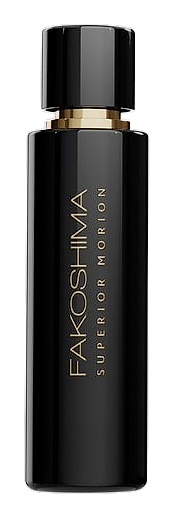
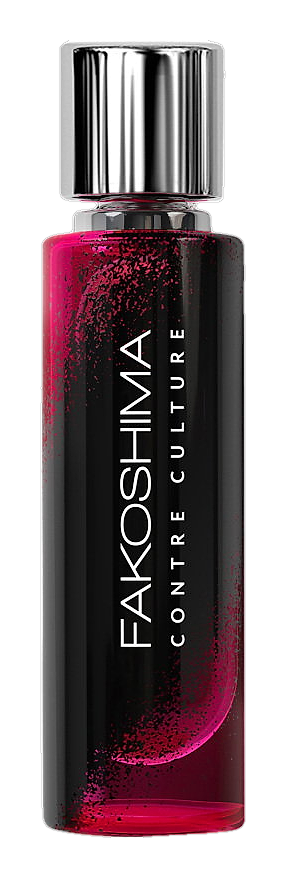
The story of Fakoshima starts in 2013 when Konstantin Shilyaev opened an optics workshop in Moscow. The venture later expanded to include a niche perfume line, a shift that Shilyaev described as a natural extension of his fascination with precision and sensory perception. The first fragrance, Tear You Apart, launched in 2020 and quickly signaled the brand’s intent to blend scientific rigor with olfactory art. In 2021 the house released El Primer Deseo, a scent that drew on South‑American botanical notes, showing an early willingness to explore geographic diversity. 2022 marked a prolific year with two releases – Superior Morion and Crème de la Crème – each emphasizing a different facet of the brand’s evolving palette: one focused on metallic, mineral accords, the other on creamy, gourmand textures. By 2023 Fakoshima introduced Acqua Gotica and Moonlight Rainbow, both of which experimented with aquatic and iridescent themes, respectively. The 2025 releases Secret Venue and Contre Culture pushed the house toward narrative‑driven concepts, while the 2026 arrival of Plenilunium added a lunar‑inspired dimension to the line. Throughout this timeline, Fakoshima has maintained a low‑profile marketing approach, letting the fragrances speak for themselves and relying on word‑of‑mouth within niche perfume circles. The brand’s evolution from optical precision to olfactory experimentation illustrates a rare continuity: a dedication to exacting standards that transcends the medium, whether glass lenses or fragrance bottles. Fakoshima’s creative vision rests on the idea that scent can be approached like a scientific inquiry. The brand states that it seeks to strip away superfluous storytelling in favor of a direct, sensory dialogue between the wearer and the composition. This philosophy translates into a focus on clarity, balance, and reproducibility. Rather than chasing fleeting trends, Fakoshima aims to develop formulas that reveal new facets over time, encouraging users to revisit a fragrance and discover hidden layers. The house also emphasizes sustainability, reportedly sourcing natural ingredients from growers who practice responsible harvesting, while synthetic components are selected for their stability and minimal environmental impact. Transparency about ingredient choices appears in the brand’s limited public disclosures, suggesting a respect for informed consumer choice. Community feedback is welcomed, but the brand resists tailoring scents to market demand, preferring instead to let the laboratory‑like process dictate the final product. In interviews, Shilyaev has hinted that the name Fakoshima combines a nod to his Russian roots with a Japanese‑sounding suffix, reflecting a cross‑cultural curiosity that informs the house’s aesthetic decisions.