Heritage
A house, in its own words
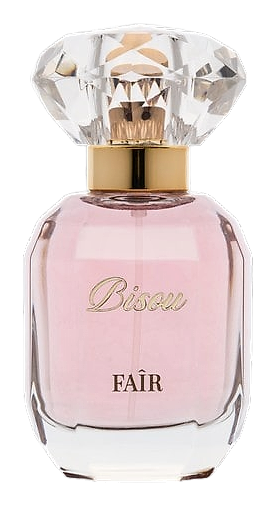
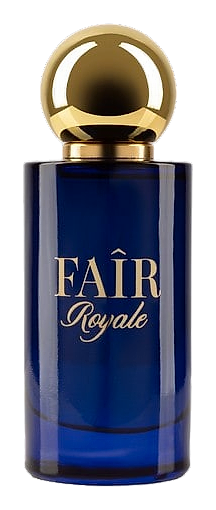
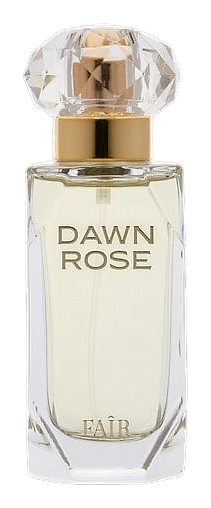
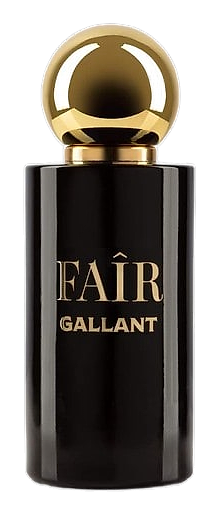
Fair Parfum traces its history to 1888, when perfumer Francis Charrier set out to create a perfume house distinct from the industrializing perfume industry. According to the available account of the house’s history, Charrier began by working as an assistant to a perfumer before establishing his own practice. That biography matters because it places the company’s development within the apprenticeship culture of French perfumery, where technical training and direct contact with materials shaped a perfumer’s working method. The name Fair Parfum is also presented as an idea of fairness, not simply as a label. In a period when perfume production was becoming more standardized, the house’s founding premise was to preserve a personal relationship between the perfumer, the materials and the finished composition. Rather than presenting the brand as a recent trend, its story extends across more than a century and into a place with a documented history of perfume making. The available research identifies Grasse as the setting of the house. It does not provide enough reliable information to add further milestones, collaborations or changes in ownership to the timeline. Fair Parfum’s creative vision is rooted in opposition to the industrial scale of mainstream perfume production. The founding story describes Francis Charrier’s intention to create a house that would rebel against industrialization, suggesting a preference for close, author-led perfumery. That approach is reflected in the house’s limited roster. Four named fragrances, Royale, Bisou, Dawn Rose and Gallant, all associated with 2020, offer a clear collection rather than a large and frequently replenished range. The brand’s philosophy therefore appears to depend on selectivity, individuality and the idea that a fragrance should carry the character of the person who made it. Fairness is part of the name, but the available research does not support a specific claim about its social or environmental programs. Its connection to Grasse provides another dimension to this identity. The town is known for its perfume heritage and its relationship with aromatic plants, allowing the house to frame its work through a specific regional tradition. This combination of personal authorship, resistance to industrial standardization and a Grasse setting gives Fair Parfum a distinctive point of view without relying on unsupported claims about exclusivity or superiority.