



Heritage
A house, in its own words
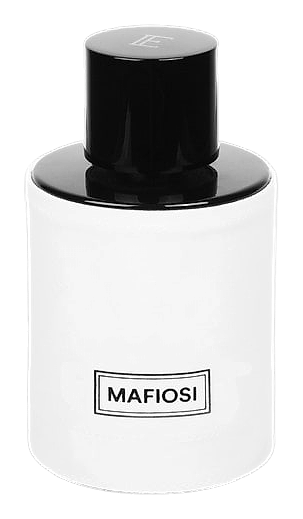
Eternel Gentleman began in 2017 under founder Samuel Akata. Fragsi identifies the company as a French niche perfume house and records the same founding year, while another fragrance database also lists its five recorded scents as 2017 releases. That shared date gives the house a clear starting point, even though the surviving record does not trace its growth through later milestones. Its debut group spans Peace of My Heart, E.G, Lord of The Chic, Mafiosi, and Noble Spirit, all associated with the inaugural year. The names establish a recurring interest in identity, elegance, strength, and self-presentation, but the available sources do not document how the founder developed that creative direction. One house page adds a personal layer to the story through Shalini, who created a parfum from childhood memories of lingering tuberose and the image of butterflies dancing in a garden. That account presents scent as a vessel for recollection rather than simply a decorative composition. Because details about Akata’s background, the company’s first location, and its early distribution are not corroborated in the sources provided, the house’s history is best understood as a concise origin story: a French label founded in 2017, issuing five perfumes during its launch year and drawing on intimate memory as part of its creative language. Several search results also surfaced historic perfume houses such as Houbigant, Farina, Floris, and Creed, but none is evidence of a corporate relationship with Eternel Gentleman. They belong to the wider history of European perfumery, not this house’s lineage. The clearest evidence of Eternel Gentleman’s creative approach comes from its naming and from Shalini’s account of developing a fragrance through childhood memory. Names such as Noble Spirit, Lord of The Chic, Mafiosi, and E.G frame perfume as a study in persona, using titles and character labels to suggest different modes of presence. Peace of My Heart shifts toward intimacy and emotional ease. Together, the titles imply that fragrance functions as a form of personal storytelling. Shalini’s description of tuberose lingering in memory and butterflies moving through a garden adds a more poetic idea to that framework. The scent is not presented only as an object, but as something capable of carrying a private association beyond the moment of application. That approach allows a fragrance to evoke a place, a feeling, or an earlier version of the self. Still, the available material does not reveal a full house philosophy, formal values, or a stated approach to originality. It would be speculative to claim a particular school of perfumery, ingredient philosophy, or commitment. What can be said is that Eternel Gentleman uses vivid naming and autobiographical inspiration to position each perfume as an expression of character. Its young catalogue and compact public footprint leave room for ambiguity, making the scent stories themselves the most concrete guide to the brand.