





Heritage
A house, in its own words
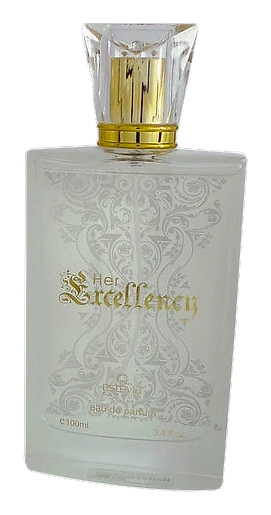
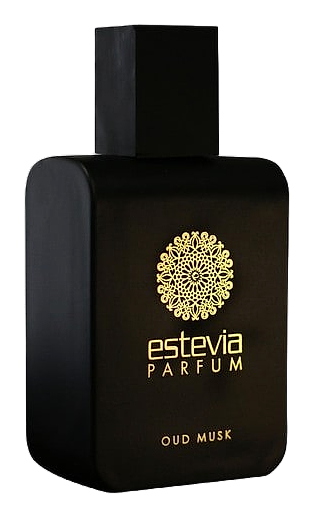
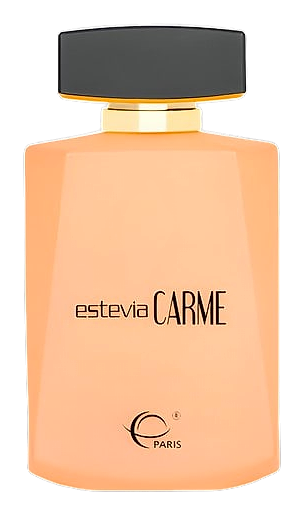
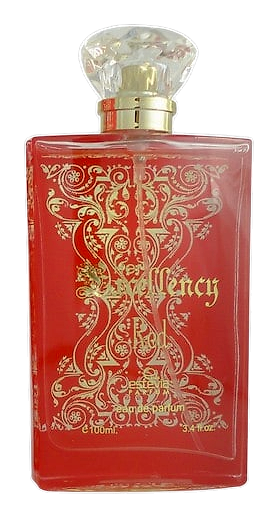
Estevia Parfum traces its beginnings to Al Wara Perfumes, a UAE fragrance company established by Mushmoom Khan and associated with distinctive bottle design. The available profile credits Al Wara with curating bottles for other fragrance companies before Estevia Parfum came to fruition. This background shaped the younger house from its start, placing the visual identity of a fragrance at the center of the brand experience rather than treating the bottle as a secondary element. Estevia’s catalogue then developed around an eclectic collection of evocative names. Oud Rose and Oud Musk point clearly to the house’s interest in oud-led compositions, while Her Excellency White, introduced in 2010, carries a more formal, title-like name. His Excellency Black and His Excellency Blue extend that naming world into a broader family of scents. Myrina, Elpis, Carme and Erinys followed in 2014, and Cabiri also appeared that year, giving the range a clear period of expansion. Oud Musk was released in 2015. These dates are visible in the brand’s fragrance record, while the exact year Estevia Parfum was formally founded is not established by the supplied material. The story is therefore best understood as a progression from bottle design into an own-label fragrance house with a growing portfolio of named compositions and a distinct visual signature. Estevia Parfum’s creative outlook is visible in both its bottle-led origins and the names chosen for its fragrances. Names such as Myrina, Elpis, Carme, Erinys and Cabiri create a sense of narrative and character, while the His Excellency series lends the collection a more formal register. Oud Rose and Oud Musk show a parallel interest in ingredients and olfactory families that carry strong cultural recognition in the Gulf and wider Middle East. The brand’s own public language describes luxury through attention to detail, originality and exclusivity, qualities that connect naturally to the company’s history in bottle design. That emphasis helps explain why presentation forms such a significant part of Estevia’s identity. Its fragrances are meant to be judged as complete objects, pairing scent with a bottle capable of holding a distinct place on the dressing table. The Sharjah profile also highlights the company’s local character, positioning Estevia as a UAE business with an international outlook. Although the public profile points to Dubai and France as part of the brand’s imagined world of scent, the supplied research does not establish specific collaborations, perfumer partnerships or sourcing standards. Estevia’s most defensible philosophy is therefore rooted in specificity, design and evocative naming, rather than in claims about technical innovation or industry leadership.