The Story
Why it exists.
The beginning
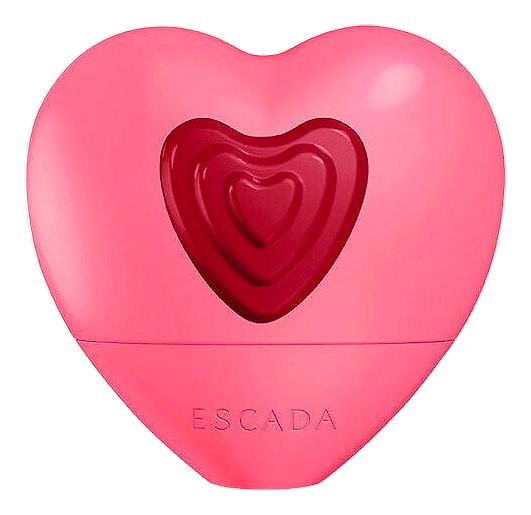
Candy Love arrived in 2020 as a limited edition, and the name says everything. No pretense, no complicated backstory, just Escada doing what it does best: bright, joyful, and entirely unapologetic about it. The brief was simple: dessert. Specifically, the moment when sweetness becomes the whole point. Candied apple, vanilla cream, and Centifolia rose came together in a heart-shaped pop art bottle that looked like a love letter and a dare at the same time. Vivid color, playful spirit, and a scent that matches the energy of someone who doesn't need permission to enjoy themselves.
What makes this work is the restraint underneath the sugar. The candied apple opens bright and immediate, no hesitation, no sophistication, just sweetness that lands. The Centifolia rose doesn't try to fix it or complicate it. It softens, adds warmth, and lets the dessert notes keep the conversation going. Vanilla cream in the base is the quiet closer, warm, close to the skin, the kind of sweetness that lingers without announcing itself. It's Escada's playbook: accessible, joyful, and refusing to pretend that smelling good should be hard work.
The evolution
The opening hits immediate. Candied apple, straight and unadorned, sticky-sweet, glossy, and undeniably present on the skin. Sugar that doesn't wait for permission. About an hour in, the rose emerges, softening the edges the apple left behind. Centifolia rose carries weight, a creamy warmth that tempers the sugar without killing it. By the second hour, the vanilla cream takes over as the apple fades. Warm, close, intimate, the kind of drydown that stays close to the skin for the rest of the day. The sillage drops quickly. Moderate at best. You'll need to reapply if you want that sweetness to stay present.
Cultural impact
Candy Love arrived in 2020 as Escada's continued experiment with youthful, pop-culture-driven branding. The heart-shaped bottle and limited edition status positioned it as a collectible item as much as a fragrance. This strategy echoed Escada's earlier hits while tapping into the resurgence of fruity-gourmand scents that dominated the late 2010s and early 2020s. Brands like Aquolina and Victoria's Secret had proven there was mass appetite for sweet, playful fragrances, and Escada entered that conversation with its own take on the trend.