The Story
Why it exists.
The beginning
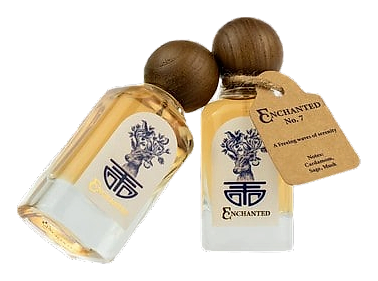
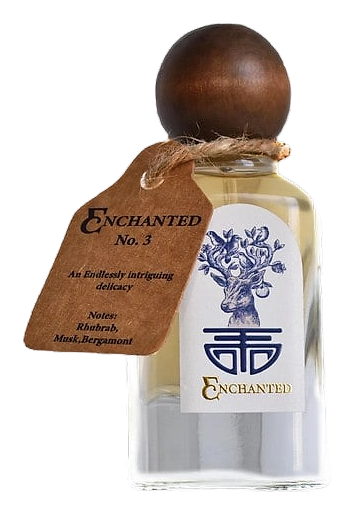
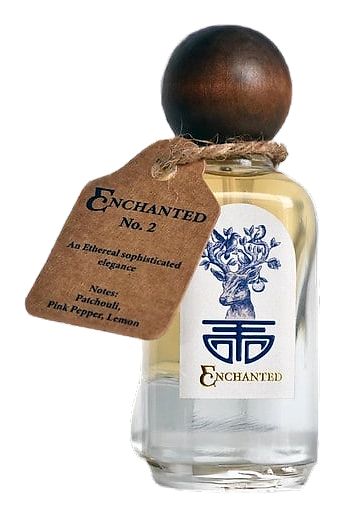
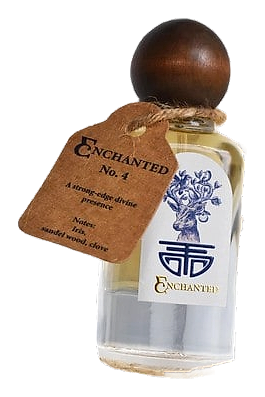
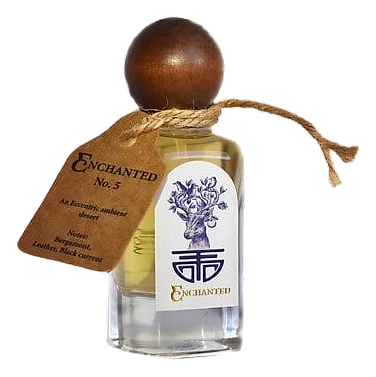
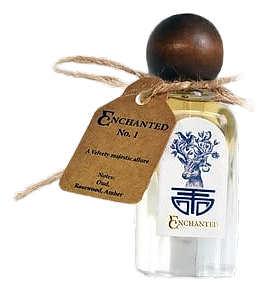
No.1 is the first stone laid in Enchanted Alchemy's numbered series, a catalog of compositions that treats numbering as the organizing principle, each release identified by its place in the sequence. The brand works at a deliberately intimate scale, naming each release by its position rather than by invented mythology. No.1 sets the tone: oud, rosewood, and black amber, three materials brought together in a composition that refuses decoration. There's no romanticized backstory wrapped around it, no fictional narrative. Just the materials themselves: oud arriving front and center, rosewood warming its edges, black amber giving the whole thing a dark, resinous foundation. The choice to begin with oud is specific.
Black amber is the quiet anchor of this composition, a resinous blend that provides structure without showmanship. In the perfumery world, black amber is less a single material and more a constructed accord, typically built from multiple resinous and balsamic elements that together create depth and warmth. Its presence in No.1 gives the oud something to lean against and prevents the composition from drifting off into pure smoke. Rosewood steps in next, softening oud's sharper edges with its leafy, almost sweet warmth. The interplay between these three materials is what makes No.1 distinctive.
The evolution
No.1 doesn't waste time on a bright opening. The oud arrives already burning, smoky and resinous, the kind of dark that doesn't ask permission. Rosewood cuts through early, not as a fresh top note but as a warm, woody counterweight, the leafy sweetness softening the oud's intensity without taming it. The opening phase is dense, almost heady, the accord sitting close to skin rather than projecting outward in a dramatic sillage. Black amber deepens everything as the composition develops, pulling it into darker territory, resinous and slightly sweet underneath all that smoke. As the hours pass, the oud mellows into something warmer and more meditative. The rosewood fades first, leaving the oud and black amber in a near-equal dialogue, each one supporting the other in a slow, quiet conversation.
Cultural impact
No.1 represents a particular approach to working with oud and black amber in contemporary indie perfumery. These materials carry significant weight in fragrance culture, often associated with Middle Eastern traditions or luxury positioning, and they're frequently the centerpieces of compositions that lean heavily on cultural coding. No.1 sidesteps that kind of positioning entirely. The numbered naming convention reinforces this directness: the fragrance doesn't need a poetic title because it's not selling a concept or a story.