





Heritage
A house, in its own words
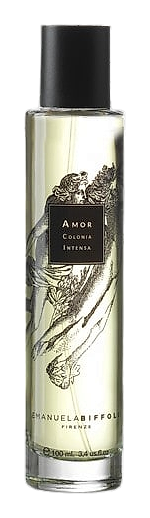
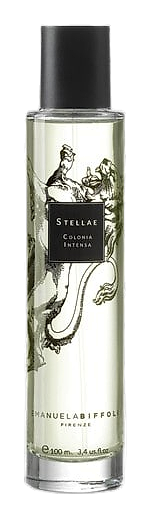
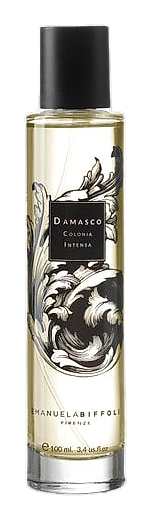
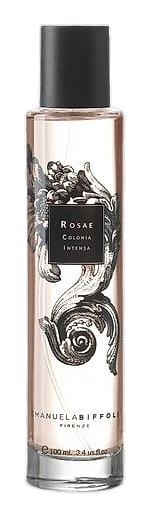
Emanuela Biffoli Firenze traces its origins to Florence, where the company established itself during the 1980s as a player in the Italian fashion and beauty accessories sector. The brand emerged from the same city that has long served as Italy's benchmark for artisanal craftsmanship, particularly in sectors ranging from leather goods to perfumery. Florence's historic position as a center for luxury goods manufacturing shaped the environment in which Emanuela Biffoli developed its identity. The company operated for decades within fashion and beauty accessories before identifying an opportunity to extend its expertise into fragrance creation. This expansion reportedly took place around 2020-2021, when the brand launched its initial perfume collection. The timing placed Emanuela Biffoli among newer entrants to the fragrance market during a period when independent and niche perfume houses gained significant consumer attention. The company's move into perfumery represented a natural progression, applying its established sensibilities around quality materials and Italian craftsmanship to a new category. The 2021 fragrance launch included five debut compositions, establishing the brand's initial olfactory territory. By 2025, the perfume line had expanded considerably, introducing additional scent families that broadened the collection's scope. The brand maintains its Florence base, positioning itself within the continuum of Florentine artisanal traditions while serving an international audience seeking fragrance with Italian character. The brand approaches perfumery through the lens of Italian tradition, seeking to translate recognizable facets of Italian culture into scent compositions. Rather than pursuing abstract fragrance concepts, Emanuela Biffoli draws from elements deeply embedded in Italian sensory experience, including culinary traditions, botanical heritage, and the intimate relationship between Italians and their food culture. The fragrance names themselves reveal this orientation, with compositions referencing Italian culinary motifs: Fiori di Frolla evokes pastry flowers, Petali di Latte suggests milk petals, and Carezze alla Crema translates to cream caresses. This approach positions the brand's scents as olfactory expressions of Italian gustatory identity. The company reportedly balances respect for artisanal traditions with openness to contemporary production methods, a philosophy reflected in its stated goal of combining Italian craftsmanship heritage with innovative techniques. For Emanuela Biffoli, fragrance creation functions as an extension of Italian cultural identity rather than merely a commercial product category. The brand appears to prioritize accessibility and everyday enjoyment over the exclusivity sometimes associated with fine fragrance, offering compositions that invite regular wear rather than reserving themselves for special occasions alone.