


Heritage
A house, in its own words
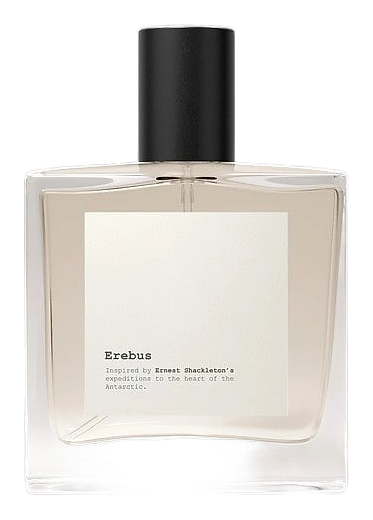
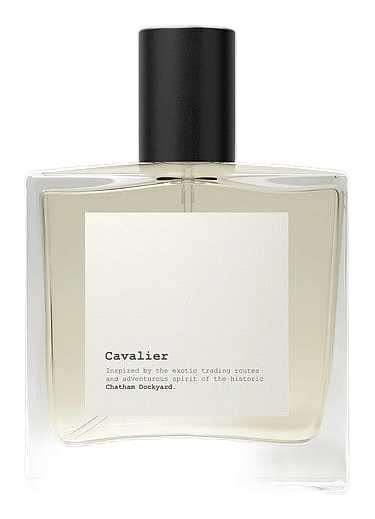
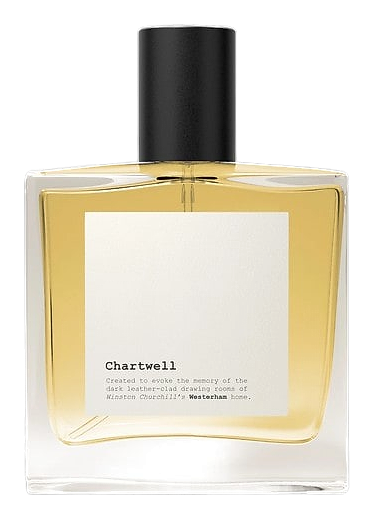
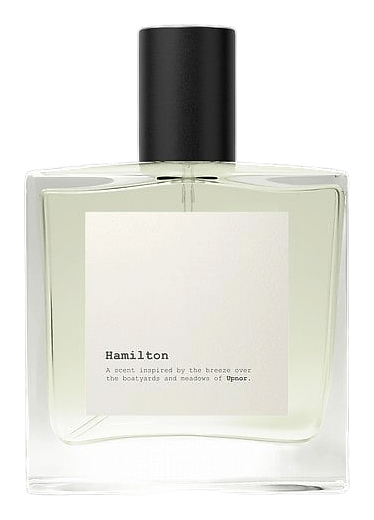
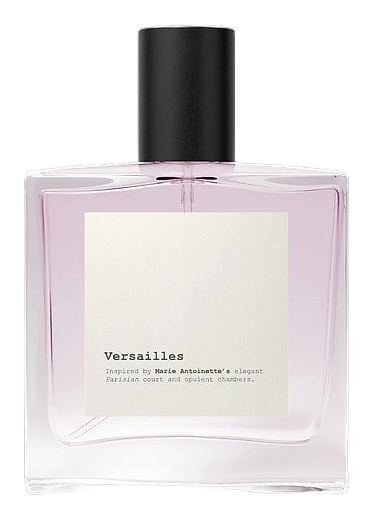
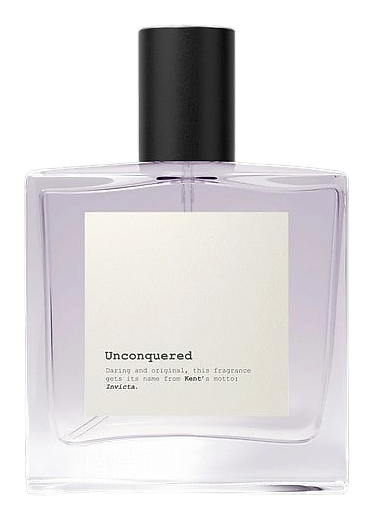
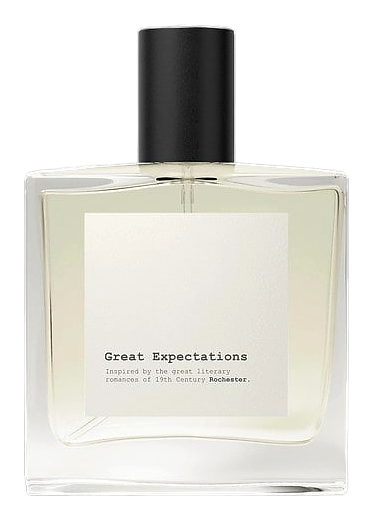
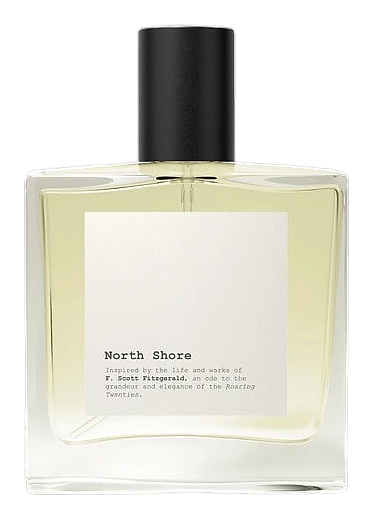
Edenbridge is associated with Eden Perfumes, a UK fragrance brand whose origins are described as beginning in Brighton during the era of Queen Victoria. The supplied research does not establish a precise founding date, founder, original address or continuous ownership history for Edenbridge. It instead presents the brand through a family-oriented story built around a love of fragrance and a connection to place. That account places the name within the cultural world of nineteenth-century Britain, but the details should be treated as reported brand history rather than independently verified corporate chronology. The Portraits Collection adds a second historical dimension. Its fragrances are described as inspired by figures associated with major events and cultural history, including Napoleon, Shackleton, Marie Antoinette, Hemingway and the Fitzgeralds. This approach suggests that Edenbridge treats perfume as a way to explore historical character, rather than building an identity solely around contemporary fashion. Its broader catalogue reinforces that perspective through names that evoke locations, estates, voyages and literary or historical atmospheres. Hamilton, Chartwell, Versailles and North Shore carry place-based associations, while Unconquered, Cavalier, Great Expectations and Payprus suggest narrative worlds and cultural references. The dates attached to these compositions fall between 2019 and 2021, indicating a defined period of catalogue development within the supplied database. Other research passages concern different perfume houses, including Creed, House of Cosmo and an Italian apothecary, and should not be used as evidence of Edenbridge's own history. Edenbridge's creative vision appears to centre on fragrance as narrative. Rather than describing its perfumes only through abstract notes, the brand uses names and concepts that invite a listener to enter a particular time, place or story. Its catalogue includes titles linked to estates, historic sites, geographic settings and imagined journeys, while the Portraits Collection turns historical figures into subjects for scent interpretation. This gives the house a clear editorial character, one that sits between placewriting, literary reference and personal memory. The reported connection to a family story and a love of fragrance suggests that emotional continuity is part of the brand's identity, although the available sources do not provide enough detail to document a formal creative manifesto or long-standing production philosophy. Edenbridge also seems interested in contrast. Fragrances may be associated with distant locations, different eras or recognizable personalities, allowing the wearer to choose a scent according to the mood and narrative they want to inhabit. The brand's approach is therefore less about presenting a single house style than about constructing a varied library of scented chapters. This interpretation is supported by the diversity of its titles and the historical framing of the Portraits Collection, not by claims about innovation, exclusivity or market standing. Since no perfumers are linked in the supplied database and the research does not identify a specific creative director, the brand's philosophy should remain grounded in these recurring themes rather than inferred technical claims.