The Story
Why it exists.
The beginning
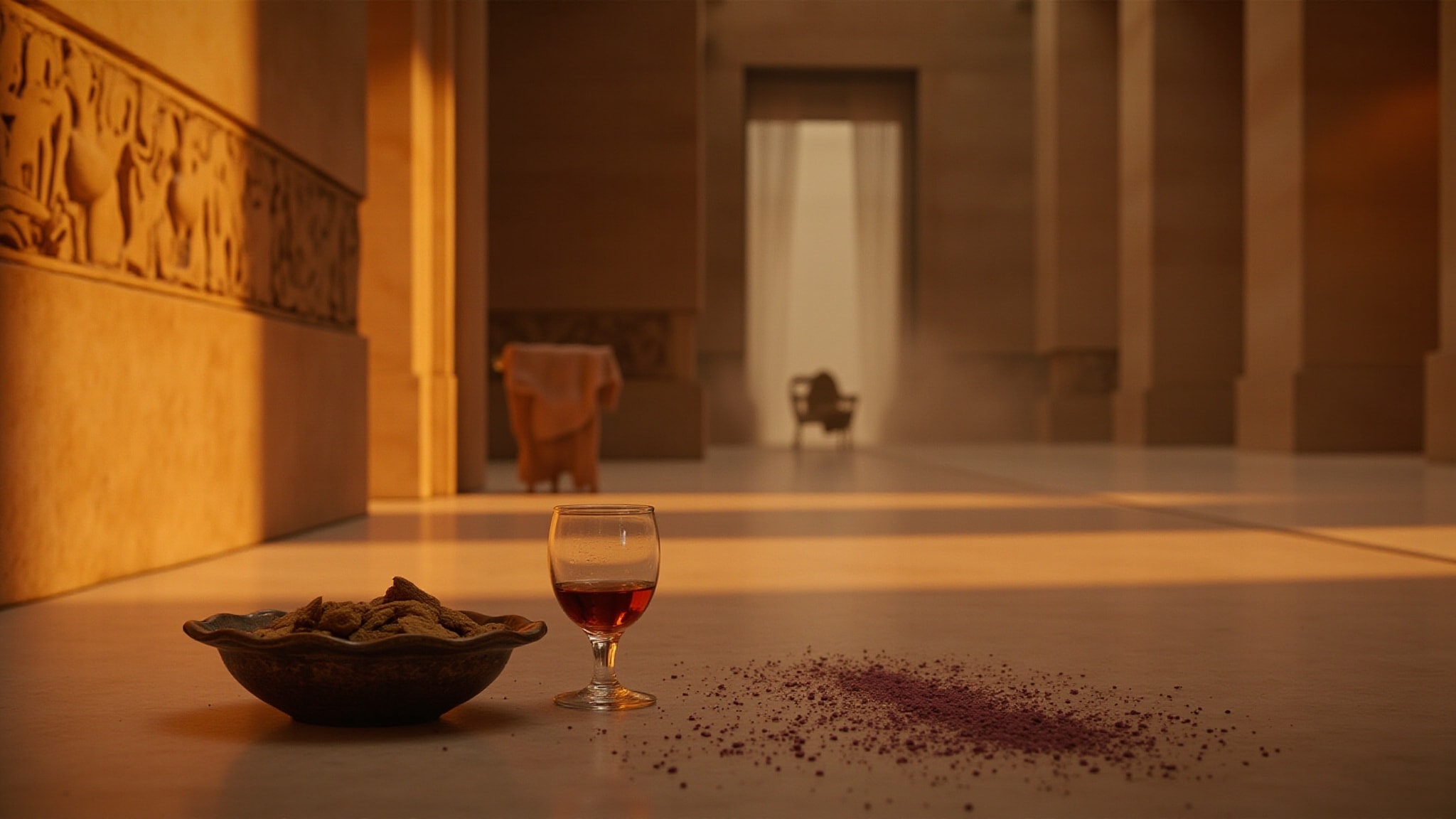
Dawn Spencer Hurwitz built DSH Perfumes in Colorado with the sensibility of a visual artist, treating each fragrance as a painted sketch rather than a formula. Iridum, launched in 2013 as part of the New Kingdom collection, draws its concept from the legendary meeting of Antony and Cleopatra. Hurwitz imagined Iris and spice as the meeting point of cool Mediterranean sophistication and the warm, resinous luxury of ancient Egypt, then grounded the concept in new-world woods to anchor the vision in the present. The result is a fragrance that honors historical grandeur without becoming a museum piece.
Hurwitz chooses notes not as interchangeable materials but as compositional tools with specific visual and sensory intent. In Iridum, the Iris-Cognac pairing represents a deliberate collision between the cool and the warm, the refined and the earthy. The addition of Saffron and Honey in the heart amplifies a sense of ancient luxury, while the drydown's Frankincense and Myrrh reference sacred smoke rituals that are central to the fragrance's Egyptian inspiration.
The evolution
The opening makes an immediate statement with Cardamom and Cognac, two notes that refuse to be polite. Cardamom's green-spicy character pairs with Cognac's boozy amber warmth to create an entrance that feels both intimate and theatrical. Within the first half hour, the heart begins to emerge, led by Iris and Rose in a floral duet that is neither purely romantic nor purely austere. Saffron and Cinnamon bring a spicy warmth, Honey amplifies their sweetness, and Orris Root acts as a quiet stabilizer, preventing the floral-spice heart from becoming chaotic. As the hours pass, the drydown takes over. Frankincense and Myrrh layer in sacred, smoky depth. Guaiac Wood provides a dry, resinous woodiness. Tolu Balsam softens the edges with its vanillic warmth, and Calamus introduces a subtle bitter-herbal quality that keeps the overall composition from settling into predictable sweetness.
Cultural impact
Since its 2013 debut, Iridum has become a quiet reference for modern orris compositions, often cited by niche bloggers as the scent that proves violet-root can thrive beyond powdery clichés. Wearers note its blend of ancient incense and new-world woods sets it apart from traditional oriental offerings, earning a modest cult following among collectors who value botanical purity.