Character
The Story of Bulgarian rose absolute
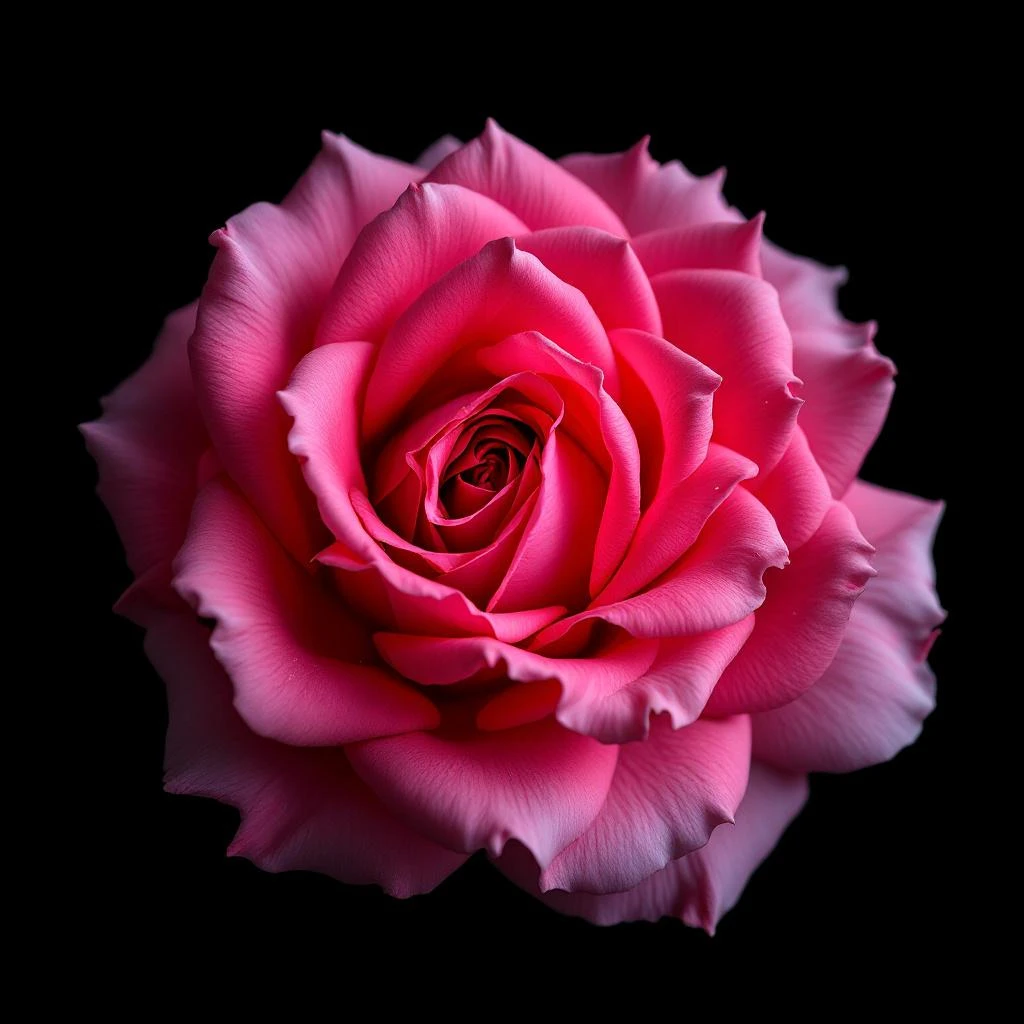
Extracted from Rosa Damascena in Bulgaria's legendary Rose Valley, this absolute captures the flower's full aromatic complexity—honeyed sweetness, green spice, and a fruity-floral duality that no synthetic can replicate.
Heritage
Bulgarian rose first appears in historical testimonials from 1652, when observers noted its intoxicating fragrance—likely introduced to the Kazanlak region by Damascene merchants who brought the Damask rose from the Middle East. The Valley of Roses, nestled in the Balkan mountains, proved ideal for cultivating Rosa Damascena, and by the 18th century, large-scale distillation began here, establishing Bulgaria as the world's leading rose oil producer. By the 19th century, the oil served perfumery, medicine, cosmetics, and even culinary arts. The industry faced decline after the World Wars but experienced a renaissance in the mid-1990s when new plantations and distilleries revived production to its former prominence. Today, Bulgaria produces only about one ton of rose oil annually, making genuine Bulgarian Rose Absolute a rare and treasured ingredient—one that Chanel, Marilyn Monroe, and generations of perfumers have placed at the heart of their most iconic creations.
At a Glance
1
Feature this note
Bulgaria
Primary source region
Ingredient Details
Solvent extraction
Flower petals
Did You Know
"It takes roughly 650 kilograms of fresh Bulgarian rose petals to produce just one kilogram of absolute."