
The Story
Why it exists.
The beginning
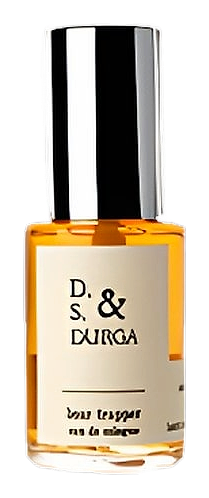
Beartrapper takes its name from a 16th-century Russian alchemical formula used to bait bears. The original was fat, honey, and patience, a trap disguised as food. David Seth Moltz translated that logic into scent: what material combination could make someone stop mid-room and turn around? The answer wasn't sweetness or safety. It was the tension between bright citrus and something rooted, almost feral. Yuzu and Amalfi lemon open sharp and clean. Then the leather arrives, not delicate but definite, followed by Virginia cedar that doesn't soften, it deepens. Tarragon adds the final edge, an herby green note that keeps the composition from ever sitting comfortably. This is a 2008 release, one of the earliest from a Brooklyn perfumer teaching himself composition the way a musician learns scales. The concept came first: a fragrance that works like bait. Irresistible once it has you.
The note structure is deceptively simple, five materials, but the way they interact is what makes Beartrapper unusual. Yuzu is Japanese citrus, bright and slightly bitter, not the sweet orange variation found in most Western compositions. Paired with Amalfi lemon peel, it creates an opening that cuts rather than cheers. The tarragon introduces an aromatic, almost savory quality that most masculine fragrances sidestep entirely in favor of marine or spice. Leather and Virginia cedar form the backbone, and neither pulls punches. Cedar provides the structure; leather provides the animal. Together they keep the citrus from ever reading as casual.
The evolution
The opening hits immediately, yuzu and lemon peel arriving sharp and clean, almost astringent, with the tarragon appearing within the first minute to add a green, slightly bitter edge. This is the hunting phase. Twenty minutes in, the leather takes over. Not the warm suede of later drydown, something rawer, with a faint animalic quality that reads as natural rather than processed. The citrus doesn't disappear. It retreats upward, still present above the leather like light filtering through canopy. The heart phase lasts two to three hours, driven by Virginia cedar providing structure without sweetness. Then the long drydown: cedar and leather settling close to the skin, warmer now, less assertive. The animalic note fades last, a faint skin-quality that lingers another hour or two before disappearing entirely. On fabric, the cedar persists into the next day, faint but present, like a forest floor remembered.
Cultural impact
DS&Durga emerged during a period when independent American perfumers began challenging the dominance of European luxury houses. Beartrapper represents a shift toward narrative-driven fragrance creation, where the story matters as much as the smell. The bold name and concept reject the polished restraint typical of mainstream perfumery, instead embracing an unapologetic, slightly irreverent attitude that resonates with consumers tired of conventional luxury. This approach helped legitimize smaller brands as serious players in a market traditionally controlled by French conglomerates, proving that unconventional names and concepts could find substantial audiences. The fragrance captures an American sensibility: confident, a bit rugged, and unconcerned with tradition.