The Story
Why it exists.
The beginning
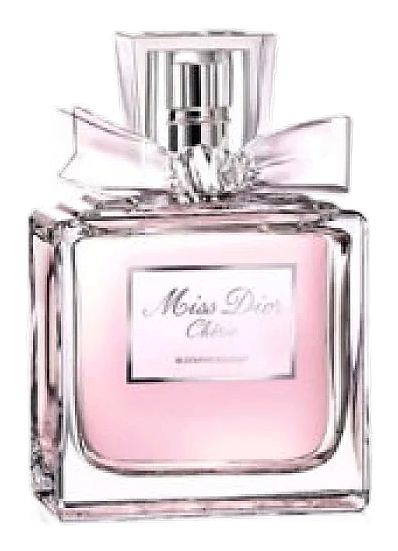
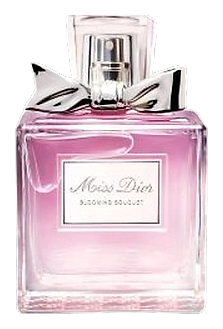
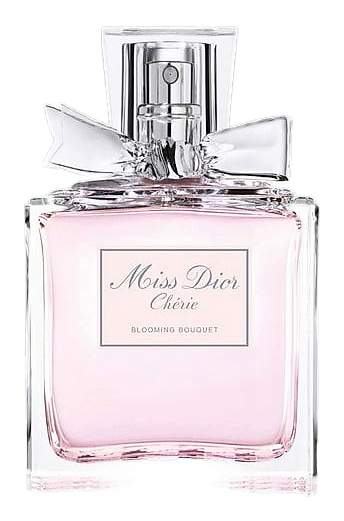
The 2007 Miss Dior Cherie EDT didn't land in Asia. Too Western, the market said. Dior didn't retreat, they recalibrated. Blooming Bouquet arrived in summer 2008 as the brand's answer: a softer interpretation, built around notes that read differently on warmer skin. Mandarin at the top, peony at the heart, white musk anchoring the base. Pink liquid in the same iconic bottle. This wasn't a flanker so much as a course correction, Dior translating its couture vocabulary into a dialect Asia could embrace as its own.
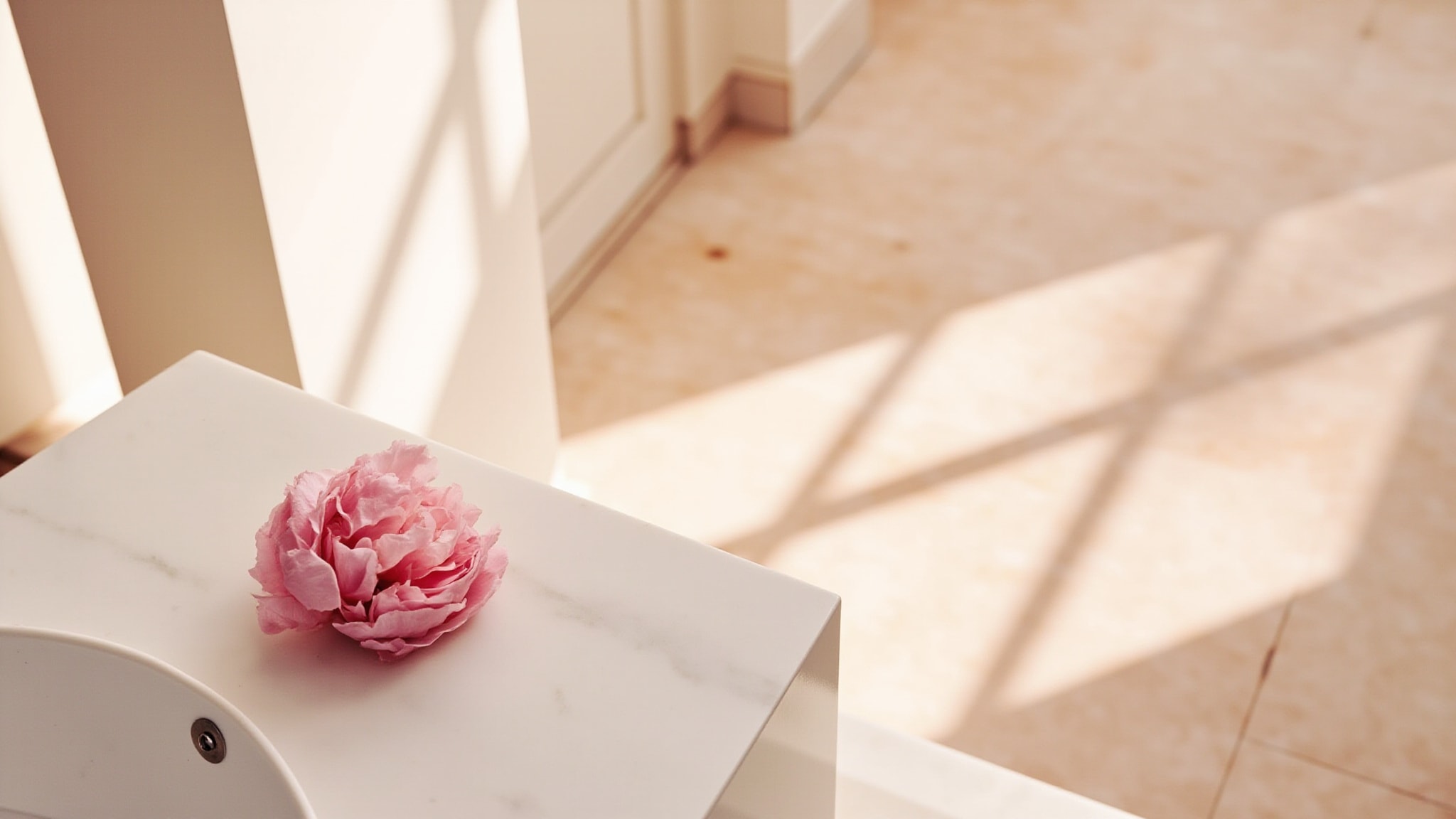
What makes Blooming Bouquet interesting isn't complexity, it's restraint. Where many flankers add more, Dior chose to subtract. Mandarin opens clean and citrus-bright without the bergamot or lemon that typically anchor Western florals. Peony carries the heart as a single flower, not a bouquet of competing blooms. And the white musk base is deliberate: in Asian perfumery traditions, musk reads as skin-warmth rather than animalic force. The result is a fragrance that behaves differently depending on where you wear it, brighter in cool climates, softer and more intimate in warmth.
The evolution
On skin, Blooming Bouquet opens with mandarin's quick brightness, a burst of citrus that barely registers before peony takes over. That transition is the whole point: mandarin is the announcement, peony is the conversation. The peony lingers for a considerable stretch, soft and powdery-dry, never cloying. Then white musk arrives like a second skin, close and warm, the kind of base that only someone standing beside you would notice. This is not a fragrance that fills rooms. It's a fragrance that makes people lean in. On fabric, it lingers overnight, the peony fades but the musk holds, faint and intimate in the morning light.
Cultural impact
Blooming Bouquet was Asia-exclusive during its run, a rare move for a house built on universal aspiration. It found its audience in markets where Dior's European formality sometimes reads as cold, and the warmer, simpler floral interpretation felt more like an invitation than a statement. The fragrance offered a softer, more approachable take on the house's signature style, appealing to those who wanted the Dior experience without the intensity of its bolder offerings. This positioning made it a distinctive chapter in the house's history, demonstrating willingness to adapt signature aesthetics for specific markets.