Heritage
A house, in its own words
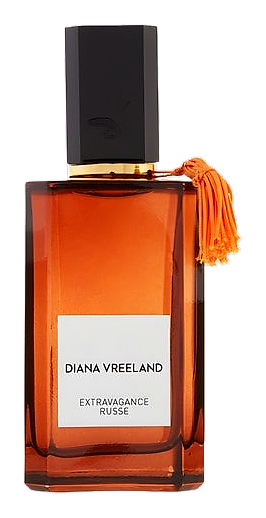
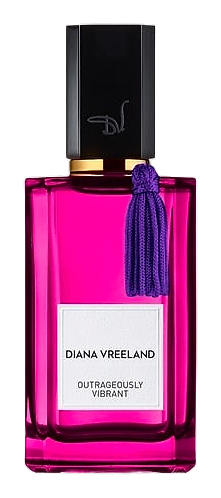
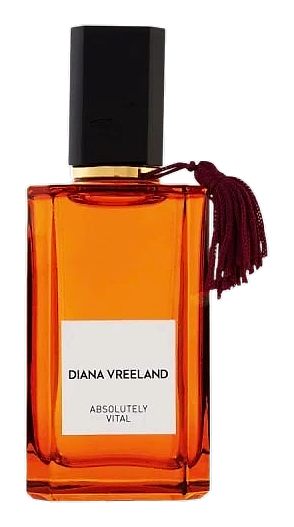
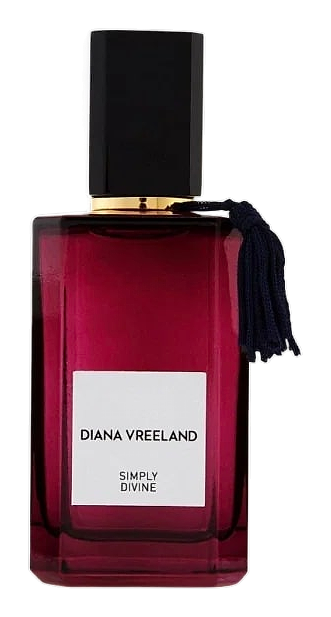
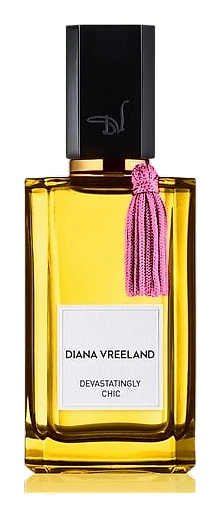
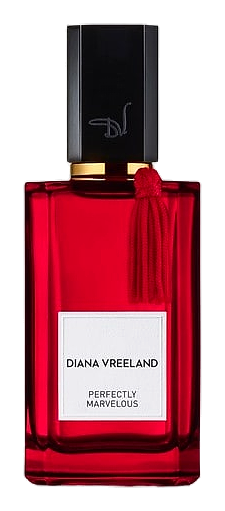
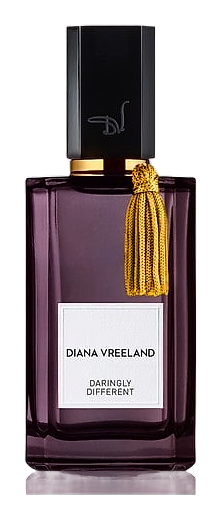
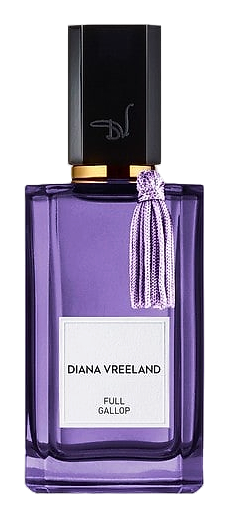
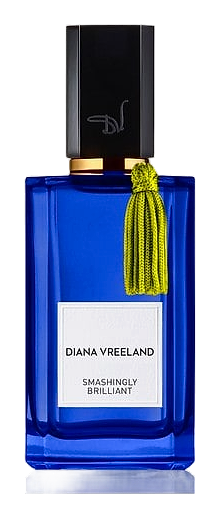
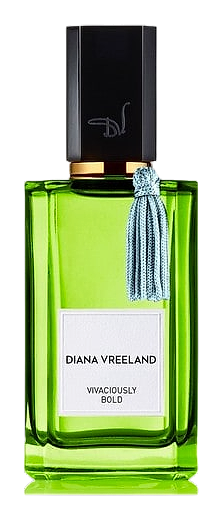
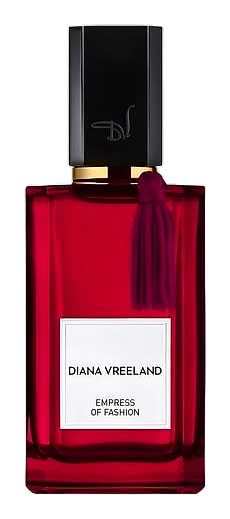
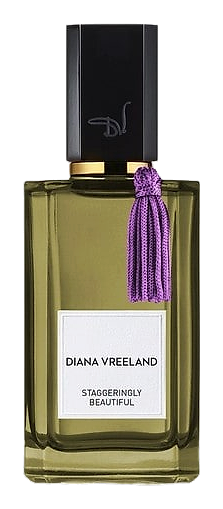
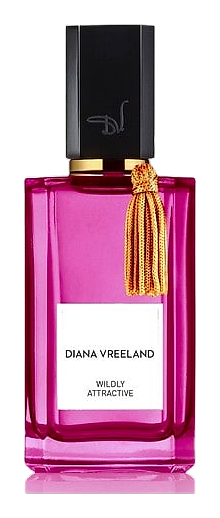
Diana Vreeland was born in 1903 and spent her career becoming one of the most influential voices in American fashion journalism. She served as editor of Harper's Bazaar from 1940 to 1957, where she coined the term peshkaf (a Russian fishing boat) to describe the sleek silhouette that would define post-war fashion, and transformed the magazine into a cultural force. She later became editor-in-chief of Vogue from 1963 to 1975, where she continued shaping fashion's conversation with her distinctive voice and eye. Her grandson Alexander Vreeland grew up surrounded by the perfume memories she kept in her bathroom, reportedly describing the experience as witnessing a kind of religious ceremony. When he decided to honor her legacy, he spent years tracing those scent memories before launching Diana Vreeland Parfums in 2014. The brand debuted with five scents at Bergdorf Goodman, expanding progressively to sixteen perfumes by 2018. Diana herself endorsed Carolina Herrera's debut collection at New York's Metropolitan Club in 1981, reportedly helping launch the designer's career with her enthusiastic support. Alexander has described the project as preserving what he calls a lost vocabulary of glamour, translating his grandmother's written word into something you could wear. The house remains a family endeavor, with Alexander serving as both creator and keeper of his grandmother's legacy. The philosophy behind Diana Vreeland Parfums centers on capturing specific moments and emotions rather than following conventional fragrance categories. Alexander Vreeland has described his approach as translating his grandmother's written word into something you could wear, creating scents that function almost like emotional portraits. Each fragrance draws from Diana's personal vocabulary of the extraordinary, those exuberant exclamations she deployed to describe anything that captured her attention. The names themselves, like Devastatingly Chic, Wildly Attractive, and Vivaciously Bold, represent her particular way of seeing the world. The house rejects the typical fragrance wheel approach, instead creating perfumes that reflect specific chapters from Diana's life, from her childhood in Russia to her legendary parties at Harlow to her vision of American fashion. Alexander has noted that his grandmother believed in the power of dreams and defied all rules, and this spirit animates the collection. The brand positions itself as preserving a lost vocabulary of glamour, treating each scent as a way to experience Diana's distinctive worldview. The perfumes are designed to be worn rather than collected, meant to become part of the wearer's own story.