The Story
Why it exists.
The beginning
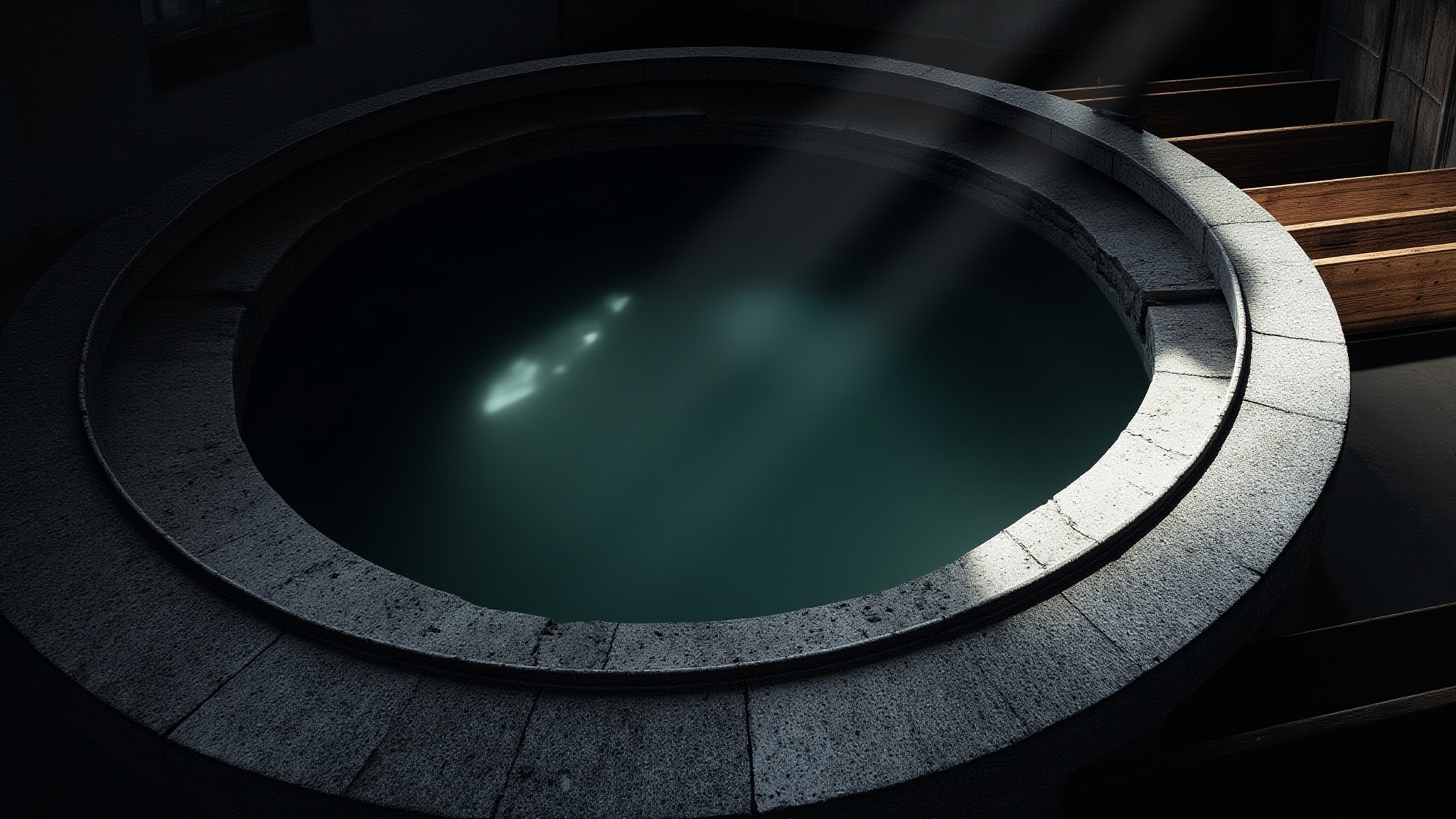
Francis Kurkdjian designed Holy Water around a specific memory: the porcelain font, the ozone-scented water, the oak pew in an old European church off the beaten track. Not a spiritual experience. A sensory one. Launched in 2009 as part of Demeter's Fragrance Library, this composition isolates three accords, ozonic, aquatic, oak, and builds a fragrance entirely around their intersection. The brief was simple: capture the blessed water in an old stone container, the one that smells like nothing else on earth. No incense. No smoke. Just the mineral clarity of cold water and the quiet stillness of a place built to last.
What makes Holy Water's structure unusual is what it refuses to include. Ozonic and aquatic notes typically signal freshness, brightness, performance, the chlorine pool, the salt air, the ocean wave. Here, those same materials do something different. The ozonic accord channels cold mineral air rather than coastal spray. The aquatic accord reads as cold water rather than warm sea. Oak bridges the wet stone and the wooden pew, adding a damp, earthy weight that keeps the composition from floating away. Three notes. That's the entire architecture. Every one earns its place.
The evolution
The opening arrives as mist, ozonic air that seems to materialize rather than spray. Cold mineral clarity, like stepping into a stone church on a winter morning. No brightness. No performance. Just the immediate sense of stillness. Within minutes, the aquatic accord deepens into something more grounded. Wet stone. The damp wood of a pew that's been sat in for generations. The ozonic air doesn't disappear, it settles, becoming the atmosphere rather than the event. The drydown is where the oak takes over. Damp, cool wood that smells like it belongs to the building itself. Cold stone lingers alongside, dry and mineral, holding the fragrance close to skin for hours. This is not a fragrance that announces itself. It stays.
Cultural impact
Holy Water found its audience among fragrance wearers looking for something contemplative rather than performative. In a market where aquatics typically signal freshness and brightness, this one offered a cooler, more atmospheric alternative, the cold mineral quality of an old stone church rather than the coastal spray of a summer beach. It's become a quiet reference point for those who prefer their fragrances to suggest a place rather than announce a presence.