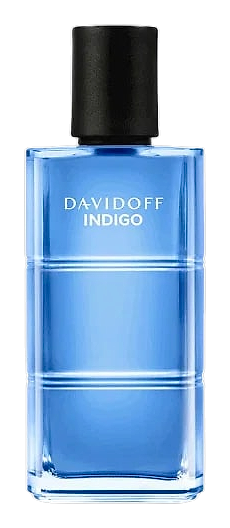

The Story
Why it exists.
The beginning
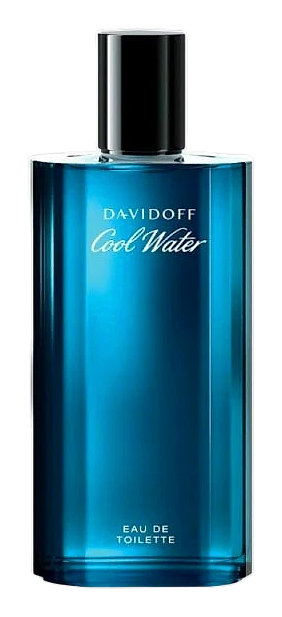
Davidoff's 1988 Cool Water didn't just launch a fragrance. It created an entirely new olfactory category, aquatic freshness as a philosophy. Indigo, forty years later, picks up that thread without rewinding it. The idea was simple: take the structure that made Cool Water timeless, then push it somewhere the original never went. Mint became the protagonist, not the accent. Lavender the bridge. Sandalwood the destination. What emerged is something that feels familiar in the best possible way, and different enough to stand on its own.
The three-ingredient pyramid is deceptively simple. Peppermint, lavender, sandalwood. That's it. But the ratio is everything. Most fragrances pile on the top notes to create that initial impact. Indigo does the opposite, the mint opens bright and purposeful, then gets out of the way. The lavender heart doesn't compete with it. It answers it. And the sandalwood base isn't an afterthought. It's the reason the drydown stays interesting for hours. This is a composition that knows when to be quiet.
The evolution
The opening is all menthol clarity. That peppermint hits like a door thrown open on a cold morning, sharp, immediate, no negotiation. For the first 15 to 30 minutes, this is pure freshness with an edge. Then the hand-off. Lavender arrives and smooths everything out. Not the delicate lavender of sachets and soaps, something closer, more aromatic, the kind that belongs in a fougère. The composition settles into its structure. Sandalwood takes over in the drydown, creamy and warm, the kind of base that makes you catch yourself sniffing your wrist in the middle of the afternoon. Six to eight hours of wear. Moderate sillage. Close enough to notice, far enough to not saturate.
Cultural impact
Indigo enters the market as the latest chapter in Davidoff's Cool Water saga, a lineage that fundamentally shaped men's fragrance in the 1980s. The Cool Water franchise remains one of the most recognizable in fragrance history, establishing the aquatic fougère as a masculine staple. Indigo's mint-forward approach signals a contemporary evolution, responding to modern preferences for sharper, more distinctive openings. This positioning reflects how legacy houses adapt heritage compositions to appeal to younger consumers seeking uniqueness within familiar aromatic frameworks.