


Heritage
A house, in its own words
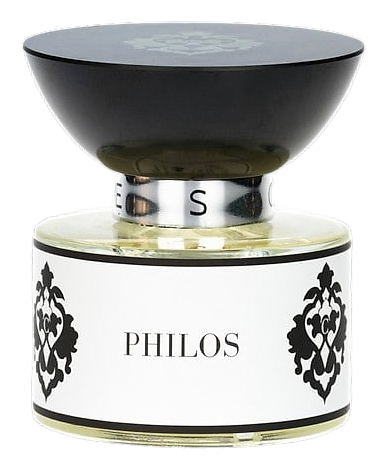
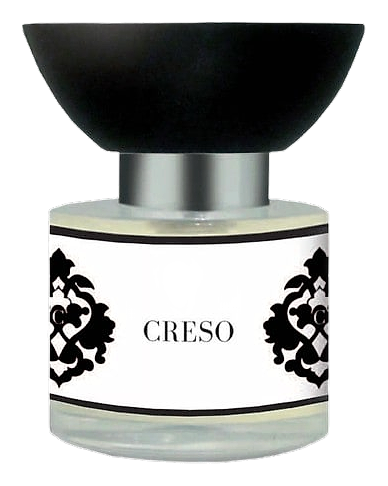
Creso emerged in Italy in 2016, establishing itself within the country’s long tradition of artistic perfume-making. Fragsi’s account describes the founders as inspired by the cultural heritage of the Mediterranean, which helps explain the collection’s recurring references to literature, language, mythology, philosophy, and place. The debut lineup gives the house an unusually narrative foundation: Quarto Vuoto, Babel, Pantha Rei, Sappho, and Logos all appeared in 2016, while Philos later became part of the catalogue. These names suggest a deliberate effort to connect fragrance with ideas and cultural memory, rather than present the house through one recognisable signature style. Publicly available material is much thinner for Creso than for established Italian houses, and no detailed founding history, founder names, or early milestones were found in the supplied research. The available record therefore supports a concise chronology: an Italian launch in 2016, a distinctive first collection organised around cultural and intellectual references, and a subsequent extension of that approach with Philos. Creed material also surfaced during the research, but it concerns a separate London fragrance house and has no verified connection to Creso, so it does not form part of this brand’s history. Creso’s creative direction appears to rest on cultural association. The Mediterranean inspiration reported by Fragsi is visible in the house’s naming system, which draws from multiple fields: Babel evokes language and communication, Logos points toward reason, Sappho recalls classical poetry, Pantha Rei suggests a fantastical royal figure, and Quarto Vuoto introduces the Italian phrase for an empty room. Philos extends this interest in ideas through a title rooted in ancient philosophy. Together, these names reveal a preference for fragrance as an entry point into a story, concept, or cultural imagination. The approach feels exploratory rather than linear, with the debut collection offering several distinct points of entry. Creso does not appear to build its identity around a single olfactive signature or a narrowly defined fragrance family. Instead, it frames perfumery as a form of interpretation, using names and references to invite curiosity before the wearer encounters the scent itself. Independent, detailed information about the founders’ stated aims is not available, so it is safer to identify this conceptual pattern in the released range than to attribute broader creative claims to the house.