Heritage
A house, in its own words
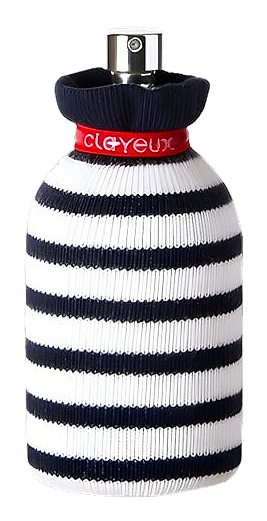
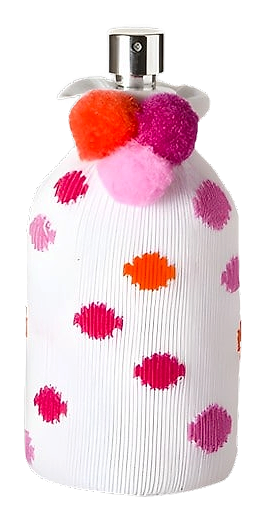
Clayeux traces its origins to 1960, when the name was established as a French children’s fashion brand. The house later developed perfumes and eaux de toilette inspired by its fashion collections, extending the visual language of the brand into scent. This connection between clothing and fragrance became a defining part of the Clayeux identity. Product references describe the fragrances as delicate and powdery, with an emphasis on warmth, innocence and comfort. In 2015, Clayeux released two notable fragrances for adults, Girl and Boy. Their paired naming reflects the brand’s interest in complementary identities and familiar emotional themes. The company’s history therefore moves from children’s fashion into fragrance, with the perfume collection built around gentle, approachable impressions rather than theatrical novelty. Independent material on the house is limited, and no reliable public record identified here confirms a later change in ownership, a specific founder’s name or a separate perfumer credited with the original compositions. Those details should not be inferred from the name alone. What can be established is a clear sequence: Clayeux emerged as a French fashion label in 1960, later connected its fashion imagery with eaux de toilette, and by 2015 had released Girl and Boy as recognizable fragrances in its broader catalog. Clayeux approaches fragrance as a personal expression with an intuitive, accessible emotional register. Its scents are commonly described as soft, powdery and comforting, qualities that align with the house’s long association with children’s fashion. This background suggests a visual and conceptual interest in tenderness, nostalgia and affectionate details, though the available material does not identify a formal creative manifesto. The philosophy is most visible in the choice of names. Boy and Girl are direct, familiar words that frame scent as an extension of personality rather than an abstract artistic performance. Clayeux also develops fragrances inspired by fashion collections, linking olfactory composition with the textures, colors and moods of clothing. That cross-disciplinary approach gives the brand a way to translate a visual season into a wearable fragrance. The house’s language remains understated in public-facing material, emphasizing warmth, innocence and timeless comfort rather than technical innovation or rare materials. For Silloria, this makes Clayeux a useful entry point for readers who prefer softer perfume styles, especially compositions associated with clean powder, gentle intimacy and nostalgic warmth. These descriptors should be read as the prevailing character of the house rather than a precise ingredient-level account of every formula.