
The Story
Why it exists.
The beginning
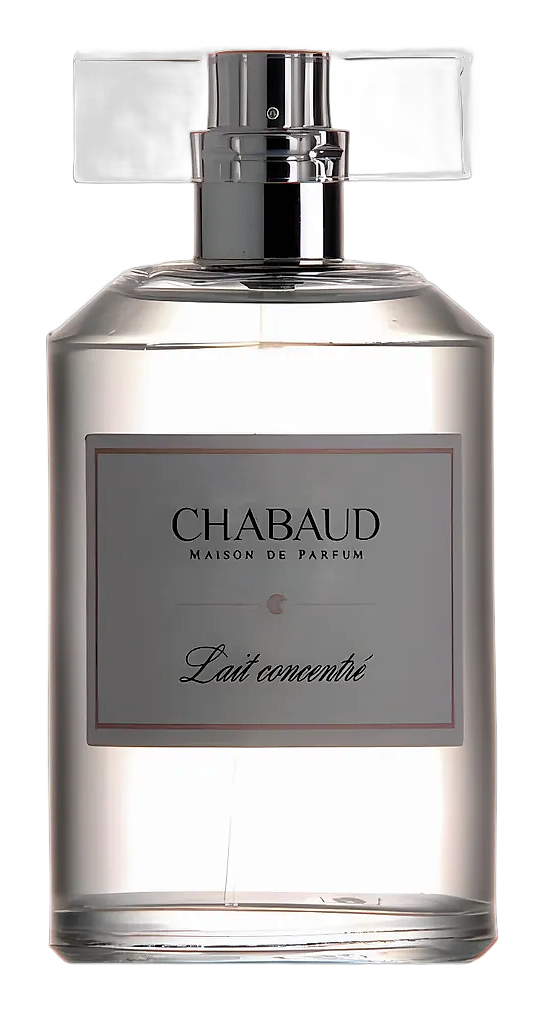
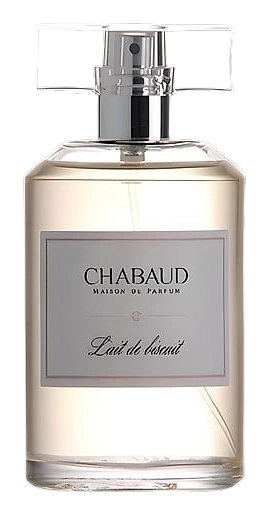
Some ideas are so simple they're almost stubborn. Sophie Chabaud looked at a childhood moment, a butter biscuit broken into warm, sweetened milk, and refused to complicate it. No twists. No provocation. Just that memory, distilled. The result is Lait de Biscuit, a fragrance built around the most universal comfort in French households: the afternoon snack that tastes like being small again. The name says exactly what it is. The scent delivers on that promise without irony or performance. It's confident in its own simplicity, which makes it harder to dismiss than it first appears.
What makes Lait de Biscuit interesting is not what it adds but what it leaves out. Three notes, biscuit, caramel, vanilla, is a deliberately narrow pyramid for a niche house. That constraint forces honesty: if the materials aren't good, there's nowhere to hide. The caramel note carries a faint burnt quality that keeps it from sliding into pure confection. The vanilla base doesn't project aggressively; it settles. What you're left with is a scent that behaves like its inspiration, quiet, familiar, the kind of smell you notice only when it's gone.
The evolution
The opening hits fast and full, pastry and sweet notes arrive without ceremony, immediate and almost synthetic in their directness. Give it ten minutes. That sharpness softens as the caramel surfaces, bringing a slightly burnt edge that reads like toffee rather than sugar. The biscuit accord stays present throughout the heart, but the composition doesn't dramatically evolve, it settles. By the second hour the vanilla takes over, powdery and close, the kind of skin-warmth that someone leaning in will notice before you do. On fabric, the drydown lingers quietly for several hours. It doesn't announce itself. It stays.
Cultural impact
Lait de Biscuit arrived at a moment when the gourmand fragrance category was transitioning from niche novelty to mainstream staple. Its publication coincided with a broader cultural shift toward comfort scents and olfactory nostalgia, positioning itself as a wearable memory rather than a performance-driven fragrance. The timing of its release aligned with growing consumer interest in perfumes that evoked domestic warmth and culinary familiarity. Within Chabaud's own catalog, it became a flagship entry that drew new audiences to a house built on edible, memory-driven compositions. The fragrance occupies an interesting middle ground: simple enough to be approachable for newcomers to niche perfumery, yet distinctive enough to inspire conversation among seasoned collectors.