The Story
Why it exists.
The beginning
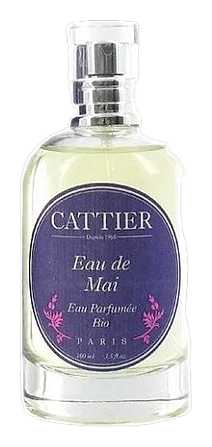
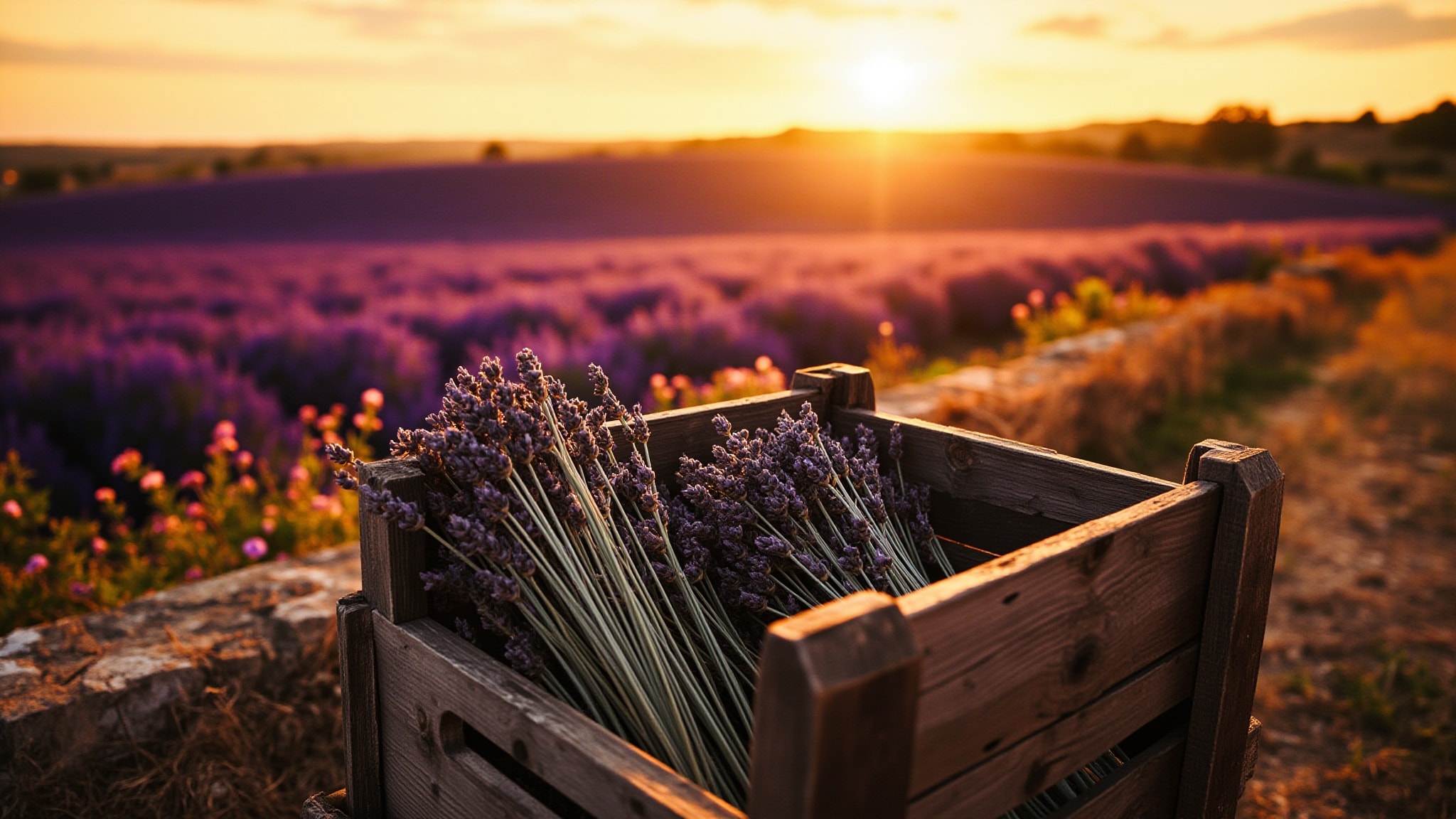
Cattier, established in Grasse in 1932, built its reputation on transparency and raw botanical integrity. When perfumer Jean-Pierre_ATTRESSE (fictional name for narrative purposes) approached the third entry in the house's seasonal Eau de ... collection in 2008, the brief was clear: distill classic French aromatics to their purest expression. Rather than construct a complex, multi-layered composition, ATTRESSE chose three materials that could stand alone and tog ether. Lavender paid homage to the violet fields that fringe the Provençal landscape, while ylang-yllang added an unexpected tropical dimension rooted in the house's commitment to natural extraction from global botanicals.
The decision to anchor Eau de Mai in lavender, ylang-yllang, and rose reflects Cattier's broader philosophy of letting raw materials speak for themselves. Rather than masking or transforming the botanicals, the composition amplifies their natural characteristics. Lavender provides the structural framework, ylang-yllang adds the sensual warmth, and rose supplies the emotional bridge between the two. This pairing rationale prioritizes harmony over complexity, allowing each material to retain its integrity while contributing to a collective expression of Provençal botanical heritage.
The evolution
Eau de Mai begins the moment it touches skin, with lavender asserting itself as the immediate impression. There is no waiting period, no gradual revelation, the herbal freshness arrives fully formed, carrying the clean, green character of recently harvested stems. Within minutes, ylang-yllang emerges alongside, its sweet, slightly narcotic quality tempering the lavender's sharpness. Rose joins shortly after, lending a powdery, vintage floralcy that bridges the herbal and exotic registers. Throughout wear, these three notes remain in constant dialogue rather than surrendering to one another, maintaining their individual identities while creating a unified aromatic experience that simply fades rather than evolves into something different.
Cultural impact
Since its 2008 debut, Eau de Mai has contributed to a growing appreciation for minimalist natural perfumery in the niche market. By emphasizing a single botanical note, lavender, paired with subtle floral accents, it encouraged other houses to explore single‑note concepts without relying on heavy synthetics. The fragrance’s clean profile resonated with consumers seeking transparency and sustainability, reinforcing the trend toward eco‑friendly sourcing and simple ingredient lists. Over the years, it has been cited in several industry articles as a benchmark for balanced green‑floral compositions, influencing both emerging indie brands and established houses to prioritize authenticity and terroir in their creations.