The Story
Why it exists.
The beginning
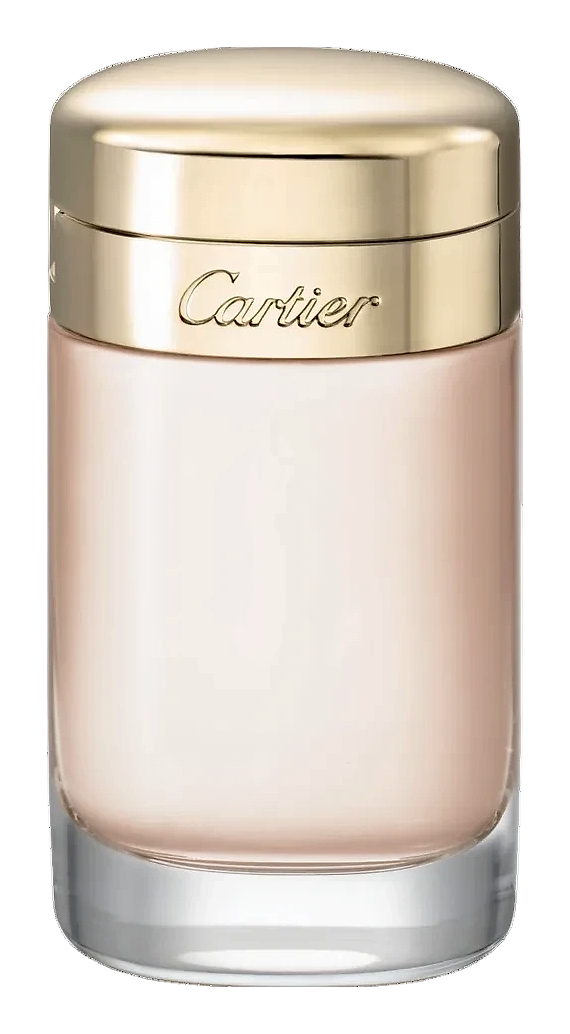
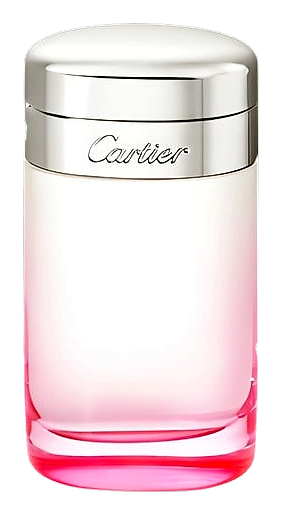
Mathilde Laurent created Baiser Volé Lys Rose in 2014 as a flanker to the original Baiser Volé. The original, launched in 2011, was conceived as an anti-floral, a lily soliflore that refused to behave like one. Lys Rose takes that same lily DNA and tilts it toward something softer, more approachable. Where the original challenged, this one invites.
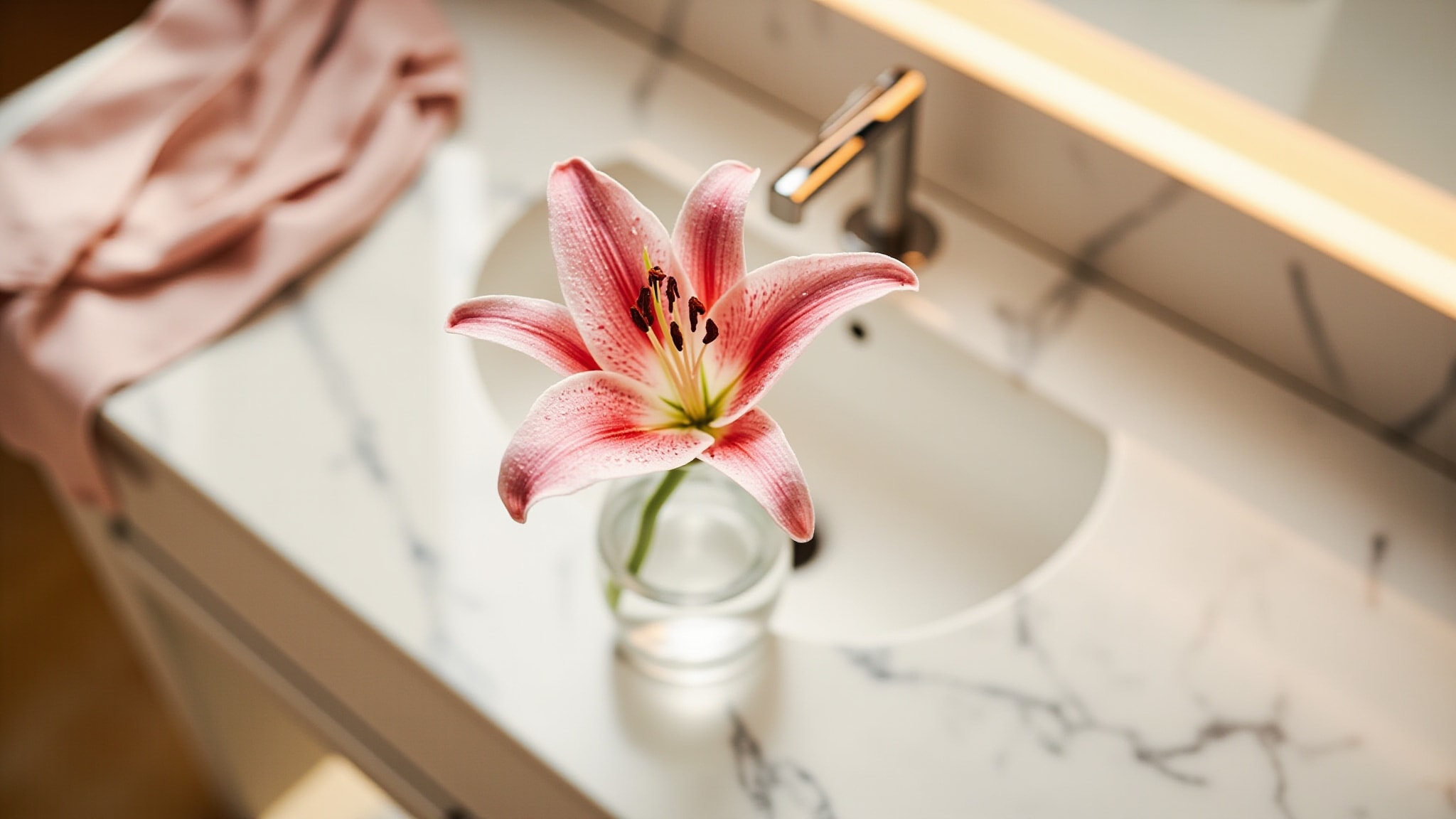
The name Lys Rose translates to lily rose, a direct reference to the two notes anchoring the composition. Pink lily carries the fragrance throughout its entire arc, never ceding dominance to a supporting cast. Raspberry adds a fruity brightness that prevents the lily from reading as purely innocent. Together they create something that smells like the idea of a flower garden in early morning light, clean, pretty, aware of its own beauty without needing to announce it.
The evolution
The opening is bright and immediate. Pink lily arrives first, clean and high-pitched, while raspberry provides a brief tartness that keeps things from getting too sweet. Within the first fifteen minutes the raspberry softens, becoming more of a whisper than a shout. The lily takes full command. This is the heart phase, an angelic, almost delicate lily that lasts for hours. The drydown introduces a powdery softness that settles on the skin like a fine mist. It doesn't disappear so much as become part of you.
Cultural impact
Lys Rose sits in a particular position within the Baiser Volé collection, the softer, more approachable entry point for those who find the original too challenging. Community data shows it performs strongest in spring and summer, with a clear preference for daytime wear. It holds a quiet respect among enthusiasts who appreciate a fragrance that works reliably without demanding attention, a subtle presence rather than a statement.