The Story
Why it exists.
The beginning
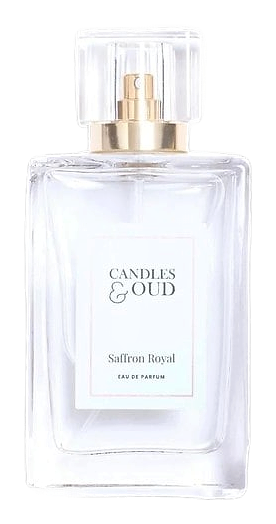
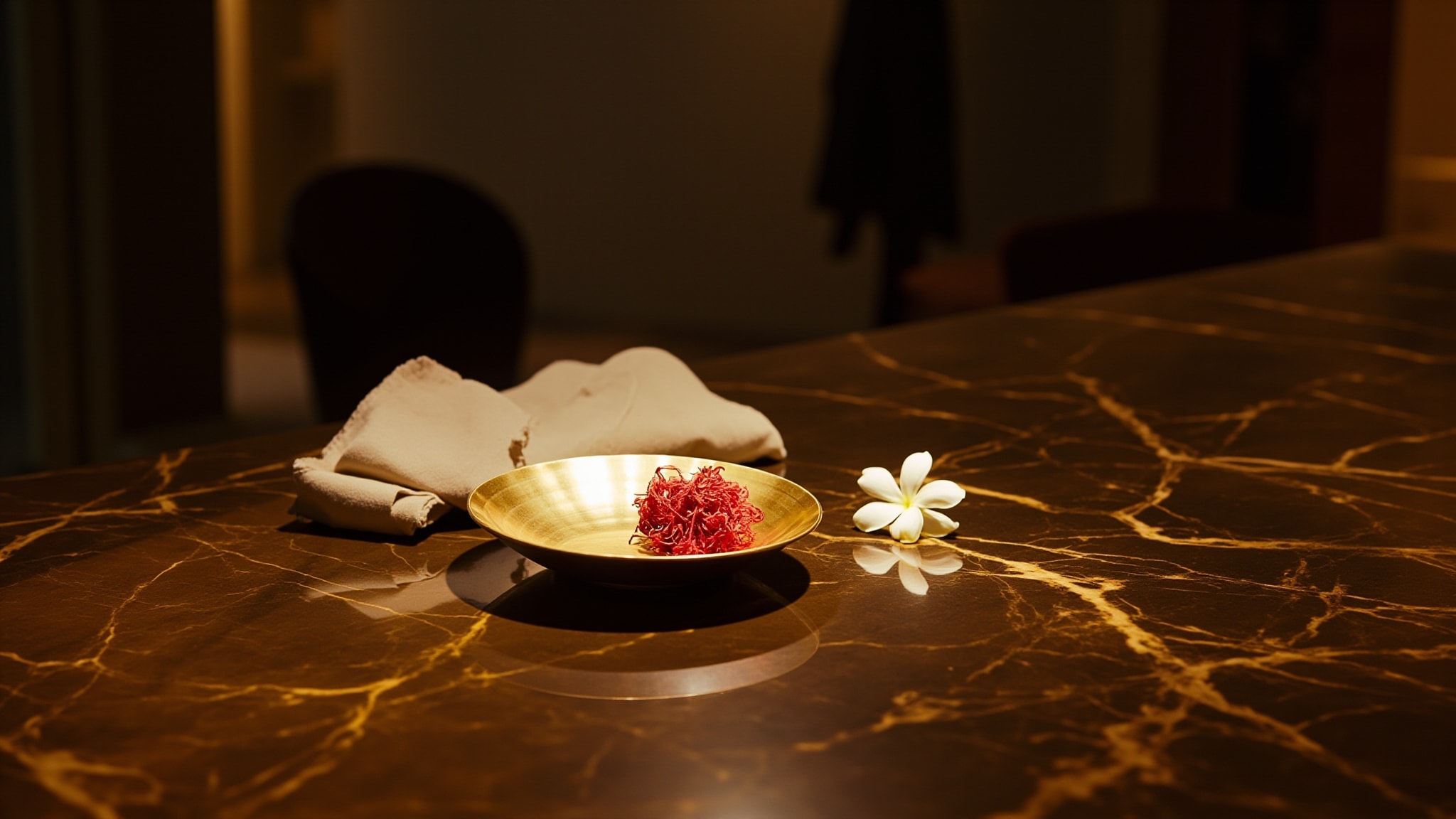
Saffron Royal is presented by Candles & Oud, though the source material does not verify the house's nationality, founding location, or founding year. The name gives the scent its clearest brief: saffron treated as royalty rather than something whispered. No named perfumer is disclosed, so the composition speaks for itself. Jasmine brings white floral softness into the first impression, while saffron adds a warm, aromatic edge. Cedarwood takes over at the center, giving the floral spice a measured, woody frame. Ambergris then settles underneath, bringing warmth and a smooth, mineral depth. The result is an oriental floral built for presence without noise.
The structure is compact but nicely argumentative. Jasmine and saffron establish the main contrast, with white floral softness meeting a warm, aromatic quality. Cedarwood doesn't overpower them; it acts like a tailored coat, making the opening feel more composed. Ambergris supplies the lasting foundation, lending warmth and a smooth, mineral depth that softens the spice. Together, the notes move from floral brightness toward rounded elegance without needing a crowd of extras.
The evolution
The opening is the sharpest chapter: saffron meets jasmine, creating a warm aromatic contrast that gives the first impression a clear point of view. Jasmine keeps it polished, so the effect feels sensual rather than harsh. Cedarwood arrives next and changes the structure of the fragrance. Floral spice becomes a cleaner, darker impression, with the white floral notes appearing more restrained. Then ambergris takes over, adding a smooth, warm depth that pulls the composition into a deeper register. What lingers is the memory of saffron against polished cedar, composed and quietly textured.
Cultural impact
Saffron Royal reflects a fragrance style built around the meeting point of floral and spice. Its jasmine and saffron pairing establishes an aromatic contrast, while cedarwood and ambergris add structure and depth. The result is a compact composition that invites closer attention to the way each note changes the character of the others.