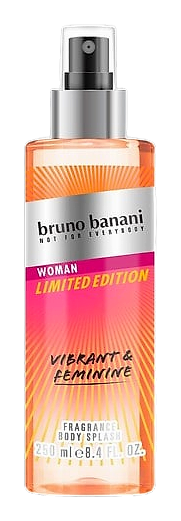
The Heritage
The Story of Bruno Banani
Bruno Banani is a German fashion and fragrance label that grew out of an East‑German textile company. Since its 1993 launch in Chemnitz, the brand has blended street‑wise attitude with a playful approach to scent. Its perfume line, introduced in the early 2000s, carries the same irreverent spirit, offering scents such as Time To Play and Radiant Woman that aim to capture youthful energy while remaining rooted in the brand’s German design heritage.
Heritage
The story begins in the former German Democratic Republic, where the state‑run garment maker Trikotex supplied underwear to factories and schools. After reunification, business economist Wolfgang Jassner acquired the factory and, together with partner Klaus, re‑branded the operation as Bruno Banani in 1993. The new name was chosen to evoke a cosmopolitan feel and to distance the label from its socialist past. Early collections focused on underwear and casual wear, but the brand quickly expanded into ready‑to‑wear and accessories. In 2002 the company entered the fragrance market with Time To Play for women and a matching men’s version, followed by the 2003 releases Scent From Heaven and Scent From Hell, which used contrasting scent profiles to underline the label’s love of contrast. A notable marketing stunt in 2009 involved sponsoring a North Korean sprinter who legally changed his name to Bruno Banani to compete internationally; the athlete’s story attracted global media attention and reinforced the brand’s reputation for bold, unconventional promotion. The 2010s saw a steady rollout of new scents, including Magnetic Woman in 2022 and Radiant Woman in 2024, each positioned as modern, vibrant expressions of the brand’s youthful ethos. Throughout its evolution, Bruno Banani has remained headquartered in Chemnitz, preserving its regional roots while reaching a worldwide audience through both fashion and fragrance.
Craftsmanship
The perfume line is produced in partnership with established German fragrance houses that handle formulation, blending, and quality control. Raw materials are sourced from a mix of European and overseas suppliers, with an emphasis on natural extracts such as Mediterranean citrus, African vanilla, and Central European woods. The brand reports that each batch undergoes laboratory testing for stability and scent fidelity before bottling. Bottles are manufactured in German glass facilities that meet EU safety standards, and the company applies a matte finish that reduces glare and highlights the label’s graphic logo. Packaging materials include recycled cardboard and biodegradable inks, reflecting the brand’s recent sustainability commitments. While Bruno Banani does not disclose the names of individual perfumers, the fragrances are credited to collaborative teams that balance artistic intent with market trends. Quality assurance includes blind panel testing with both internal staff and external fragrance experts to ensure the final product meets the brand’s sensory criteria.
Design Language
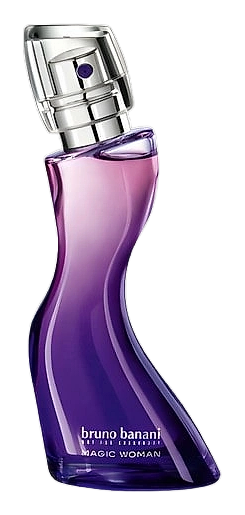
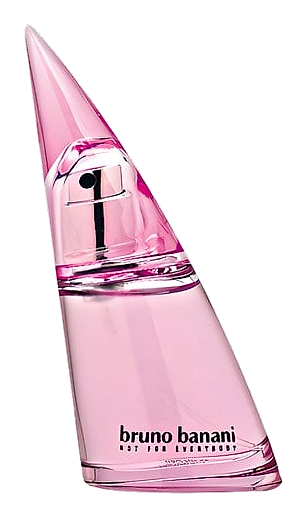
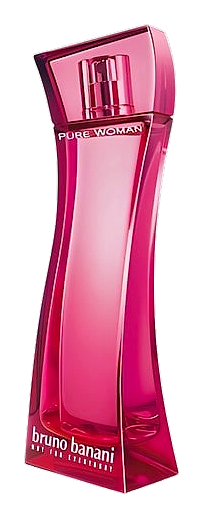
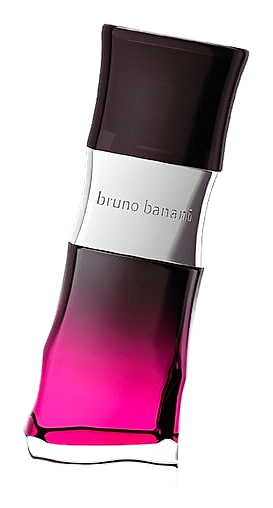
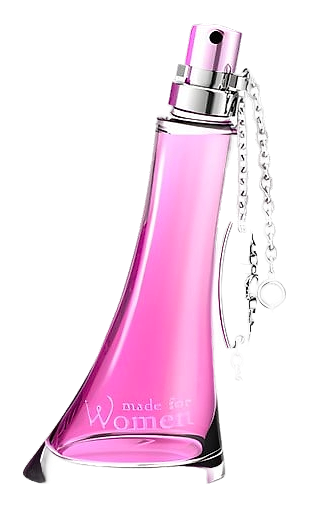
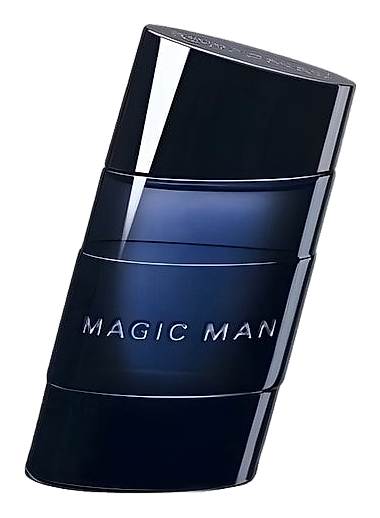
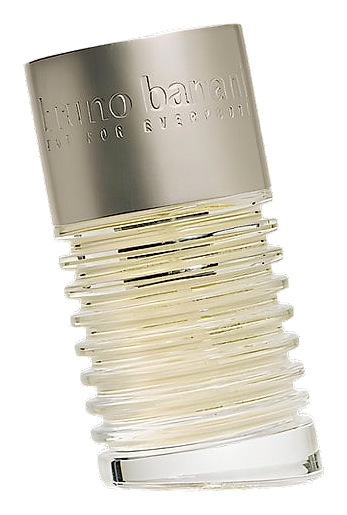
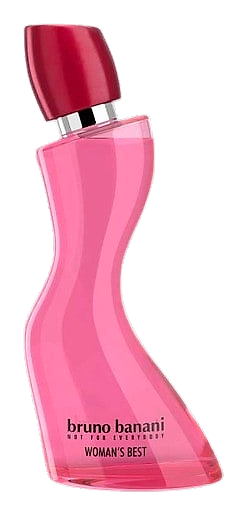
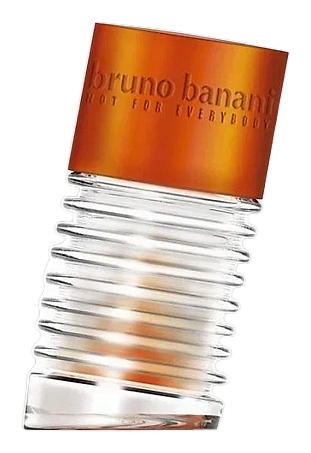
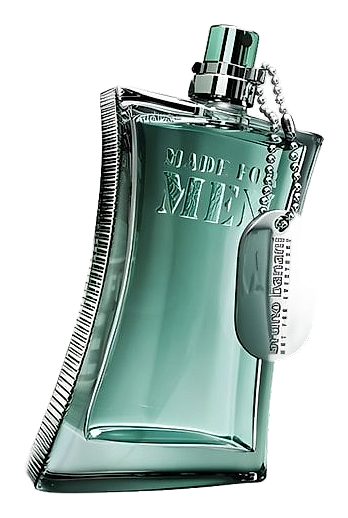
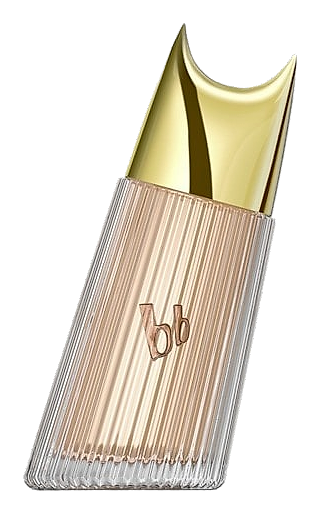
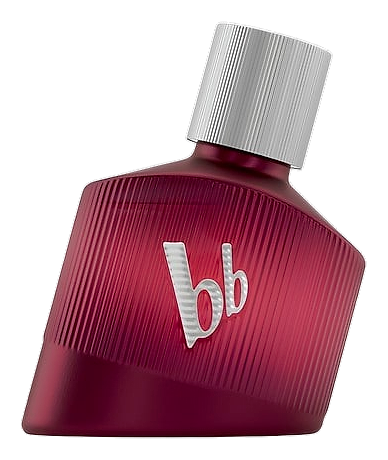
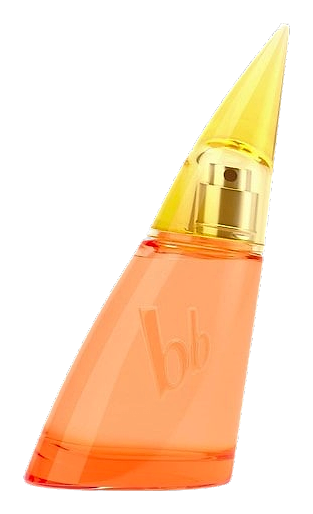
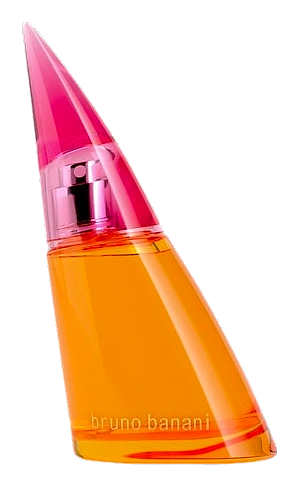
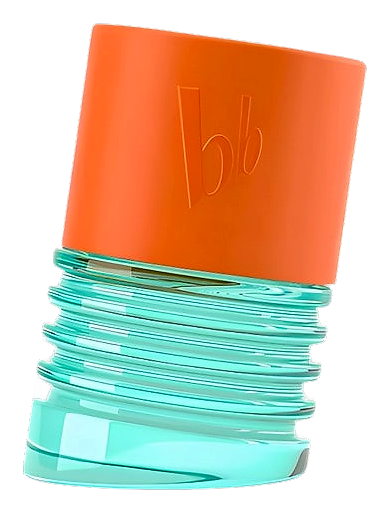
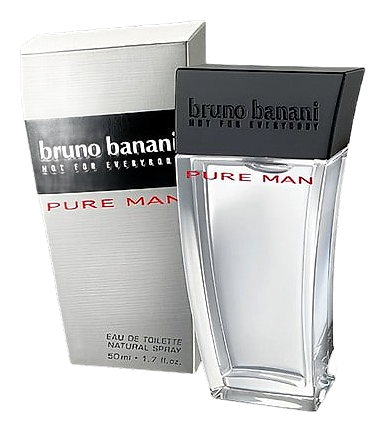
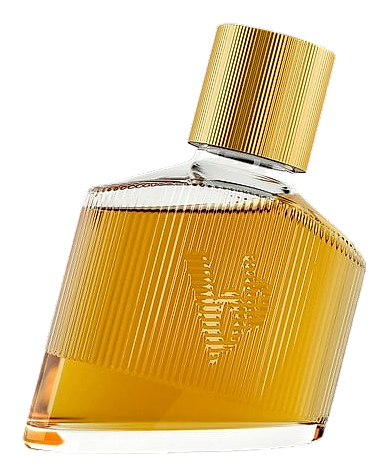
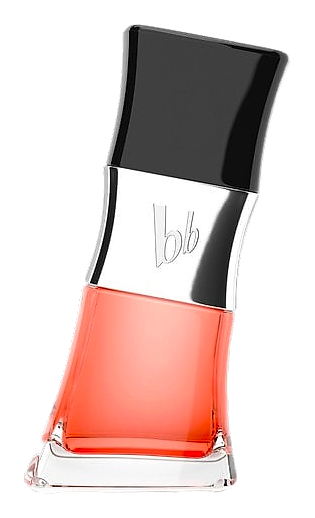
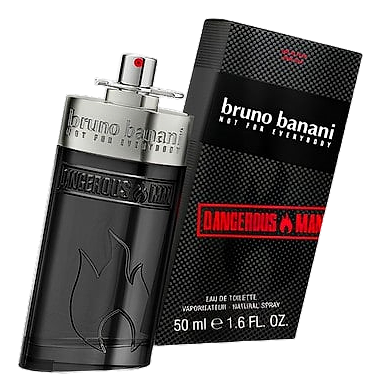
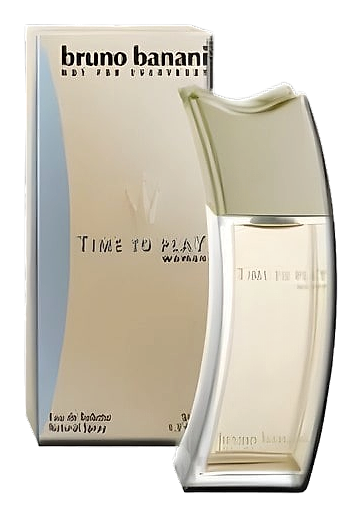
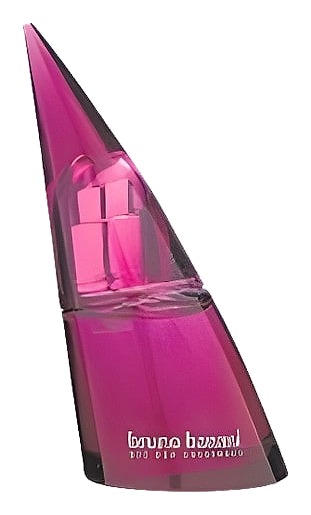
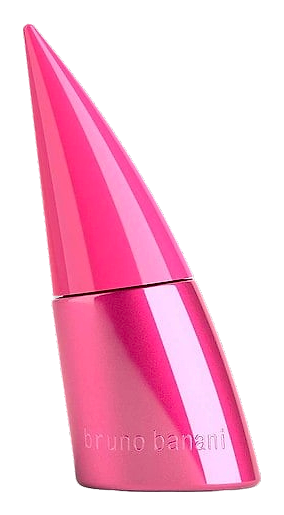
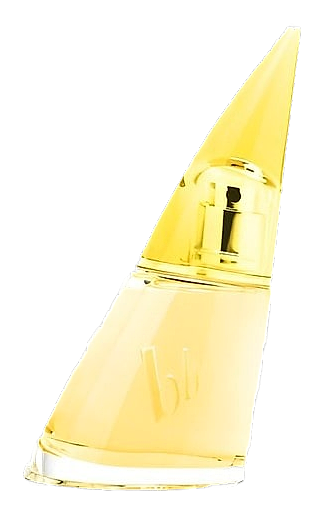
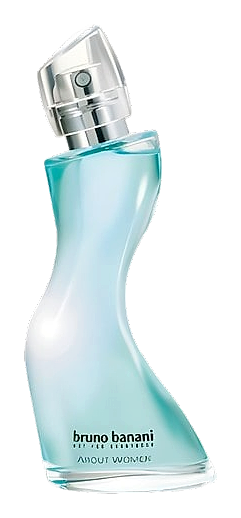
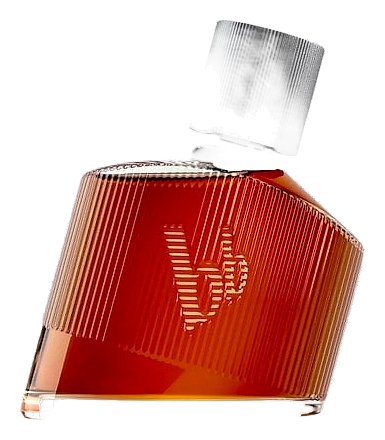
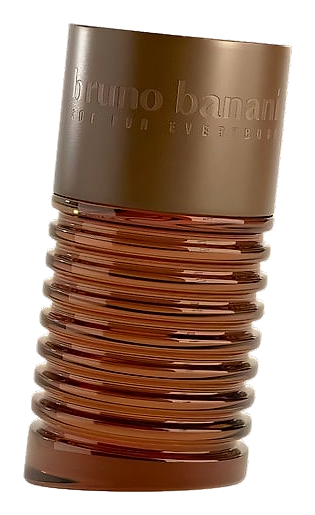
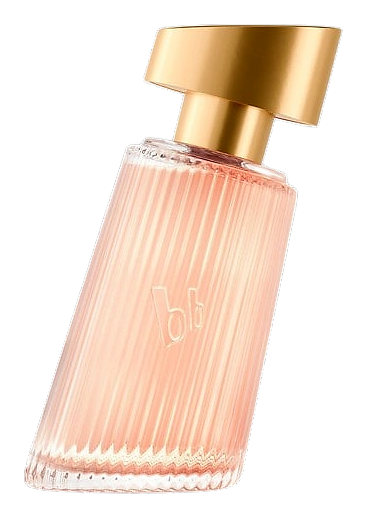
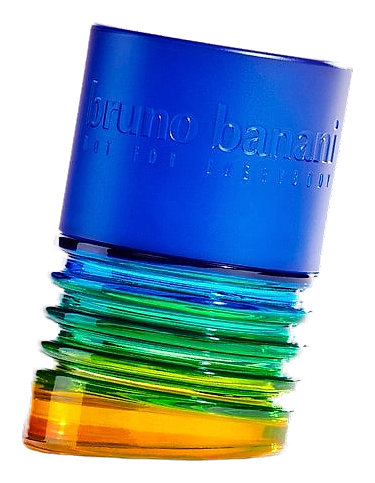
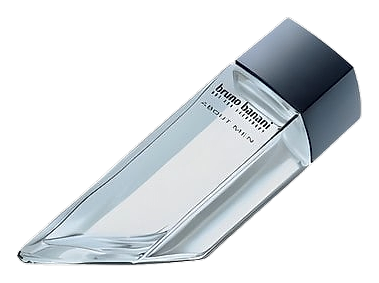
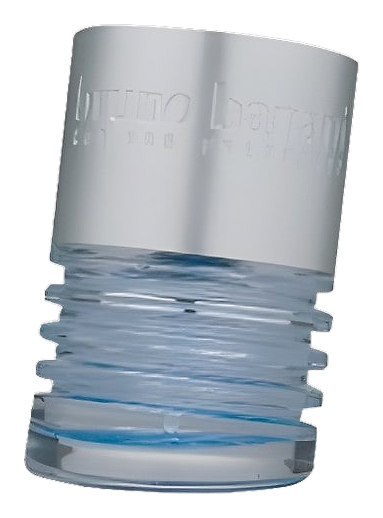
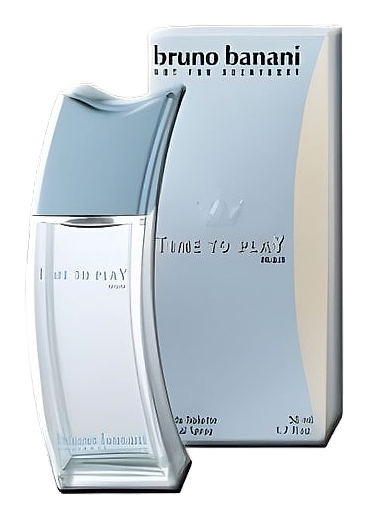
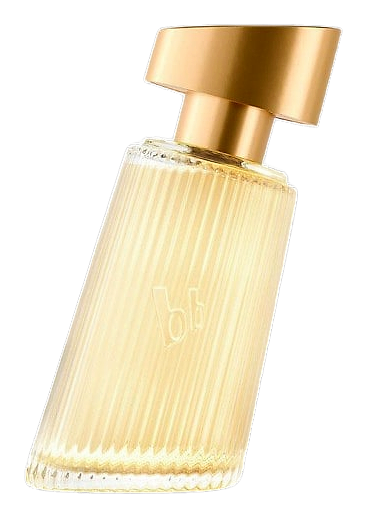
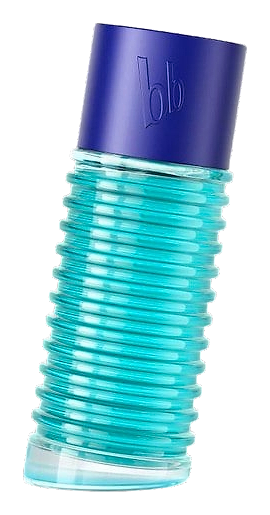
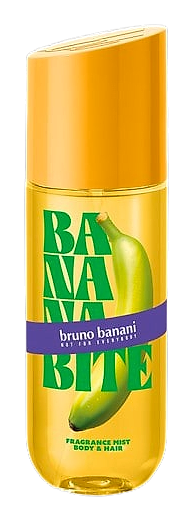
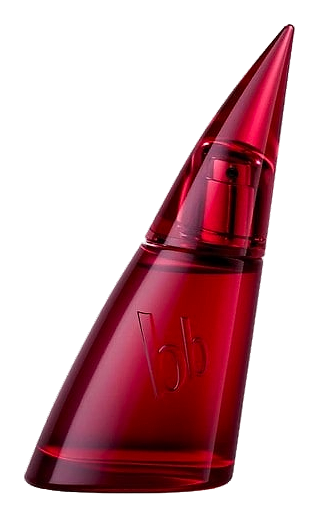
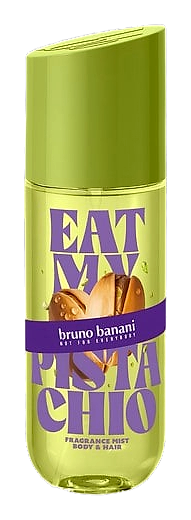
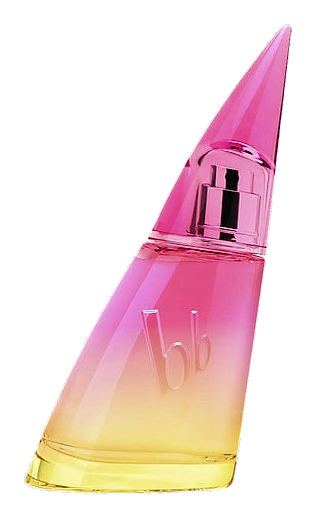
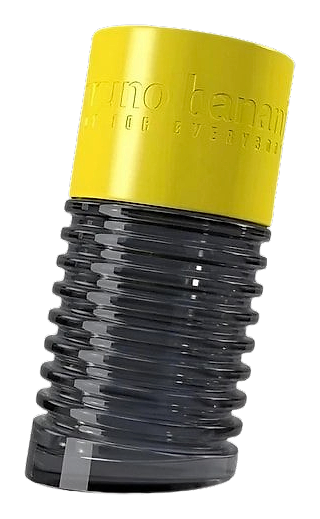
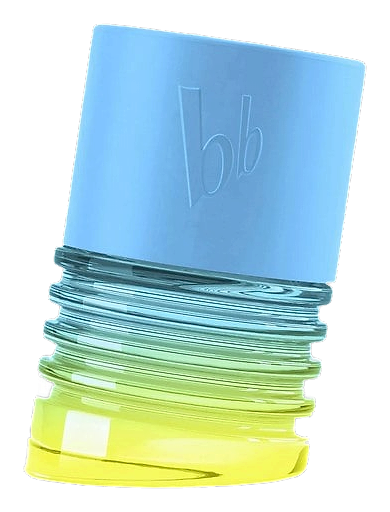
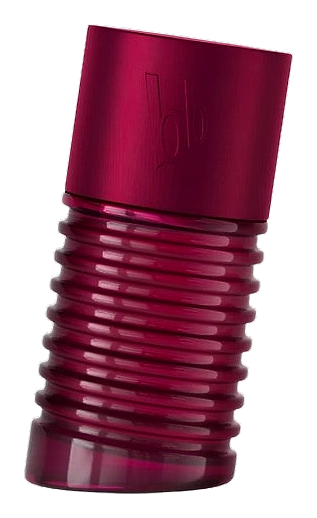
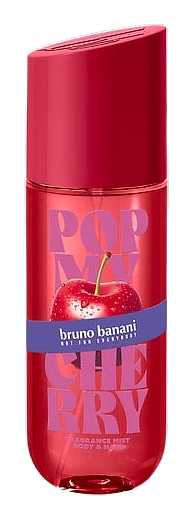
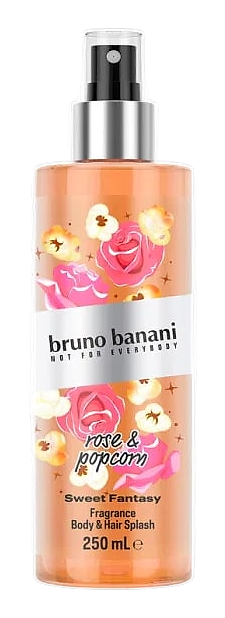
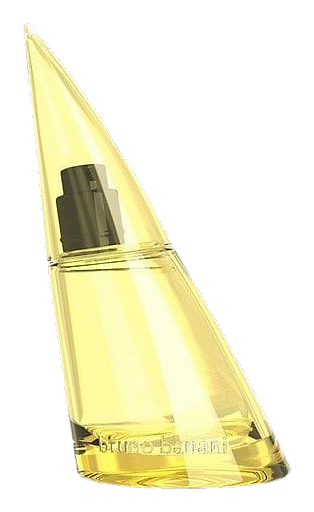
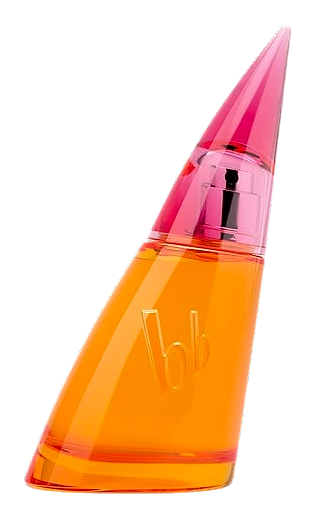
Visually, Bruno Banani adopts a clean, graphic style that echoes its German origins. The logo features a bold, sans‑serif wordmark set against a monochrome background, often paired with bright accent colors that change with each seasonal collection. Bottle designs favor simple silhouettes: a slender, cylindrical shape for Time To Play, a slightly tapered form for Magnetic Woman, and a rounded, matte‑finished vessel for Radiant Woman. The brand’s advertising frequently uses high‑contrast photography, placing models in urban settings that convey movement and spontaneity. Seasonal lookbooks incorporate street‑style elements, such as graffiti‑styled typography and neon lighting, reinforcing the label’s youthful, energetic image. Retail displays mirror this approach, using modular shelving and minimal signage to let the product itself become the focal point.
Philosophy
Bruno Banani frames its creative vision around the idea of playful rebellion. The brand states that it wants to challenge conventional expectations of German design by injecting humor and surprise into everyday products. In fragrance development, this translates to pairing unexpected note combinations, such as bright citrus with warm vanilla, to produce scents that feel both familiar and novel. The label values accessibility, aiming to offer products that feel premium without alienating younger consumers. Sustainability appears in its recent statements, with the company noting a shift toward responsibly sourced raw materials and recyclable packaging. Collaboration also features in its philosophy; the brand often works with external perfumers and designers to keep its offerings fresh, while maintaining a consistent voice that celebrates individuality and confidence.
Key Milestones
1993
Wolfgang Jassner and partner Klaus re‑brand the former GDR textile factory as Bruno Banani in Chemnitz.
2002
Launch of the first Bruno Banani fragrances, Time To Play for women and a matching men’s version.
2003
Release of the contrasting scents Scent From Heaven and Scent From Hell, highlighting the brand’s love of duality.
2009
Bruno Banani sponsors North Korean sprinter who legally changes his name to Bruno Banani, generating worldwide media coverage.
2022
Introduction of Magnetic Woman, a scent built around magnetic amber and bright florals.
2024
Radiant Woman debuts, featuring luminous citrus and warm vanilla notes aimed at a modern audience.
At a Glance
Brand profile snapshot
Origin
Germany
Founded
1993
Heritage
33
Years active
Collection
1
Fragrances released
Avg Rating
3.5
Community sentiment
Release Rhythm


