
Heritage
A house, in its own words
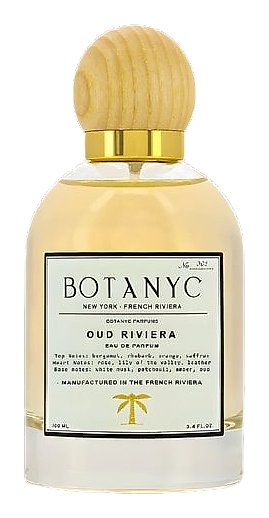
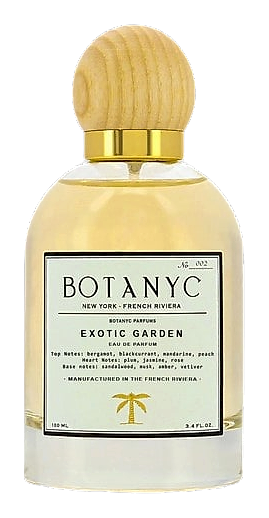
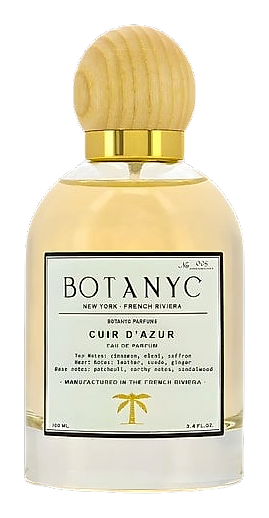
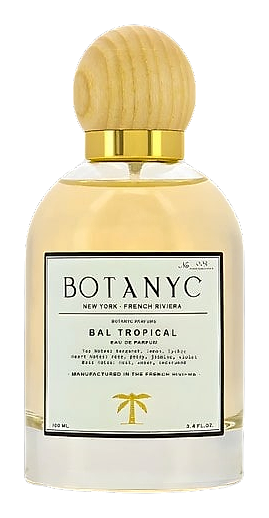
Botanyc Parfums presents its identity through the heritage of botanical perfumery in southern France. The available brand material places the house within the Grasse tradition, a town whose long association with flowers, aromatic plants, extraction and perfume composition gives the location a clear historical context. That claim does not, by itself, establish a founding date, founder or continuous lineage for the brand. The house's documented collection record begins with five numbered fragrances attributed to 2022: N. 001 Oud Riviera, N. 002 Exotic Garden, N. 003 Bal Tropical, N. 004 Iris Sur Mer and N. 005 Cuir d'Azur. Their shared year suggests the early collection was conceived as a numbered series rather than as a single standalone scent. The names combine recognizable materials and sensory settings, including iris, oud, tropical atmosphere, gardens and azure leather. This vocabulary gives Botanyc a regional and material frame without claiming a specific historical milestone beyond what can be verified. Much of the wider historical context available in search results concerns perfume in general, including ancient Mesopotamia, Egypt and the Middle East, rather than Botanyc itself. Those histories help explain the broader culture of botanical fragrance, but they should not be treated as the house's own corporate history. The most defensible heritage account is therefore concise: Botanyc draws on southern French perfumery, is reportedly linked to Grasse, and introduced its numbered collection in 2022. Botanyc's creative direction appears to rest on the meeting of botanical thinking and the character of different environments. The collection names do not describe one uniform olfactory style. Iris Sur Mer points toward iris and a maritime setting, Oud Riviera places resinous oud beside a Riviera reference, Bal Tropical suggests heat and tropical vegetation, Exotic Garden foregrounds a cultivated garden, and Cuir d'Azur brings leather into an aquatic, Mediterranean image. This range suggests that the brand uses plants, materials and place as a way to organize fragrance. The house's stated interest in the heritage of botanical scents in southern France gives that organization a regional frame. Grasse is relevant here not only as a place name, but also as a historic environment shaped by the cultivation, harvesting and transformation of aromatic raw materials. The available research does not identify a named perfumer for Botanyc or document a detailed formulation method, so it would be premature to attribute a specific olfactory signature to an individual composer. The clearest philosophy is conceptual rather than biographical: build compositions around recognizable materials, let plants remain central, and use evocative names to give each scent a distinct sense of place. The result is a compact collection with varied references but a consistent botanical and geographic vocabulary.