
Heritage
A house, in its own words
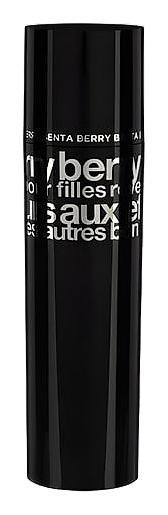
Benta Berry began with Marie-Pierre Schmitz, whose idea was to develop a cosmetic and fragrance line specifically for teenagers. Rather than adapting an adult fragrance for a younger audience, the line was conceived around the distinct tastes and routines of that group. Its first fragrances arrived in March 2012, with Berry positioned for girls and Benta for boys. The division made the brand immediately legible at the point of purchase, offering two clearly identified scent stories rather than a single unisex release. Berry moved toward a sweet, fruity profile with citrus, peach, orchid, cedarwood, and warm-spicy accords. Benta took a more aromatic-spicy direction, combining warm spices with woody and fresh notes. Perfume Atlas credits Valentine Pozzo di Borgo as the perfumer behind Benta. The available record is concise, but it establishes a clear sequence: founder Marie-Pierre Schmitz, a dedicated youth concept, two named fragrances, and a launch in March 2012. The brand name also carries a playful double reading. Benta resembles the English word “benta,” while Berry evokes fruit, a reference that becomes central to the identity of the girls’ fragrance. This naming gives the range a memorable structure and helps separate its youthful products from more formal fragrance houses. Benta Berry’s creative vision is rooted in making fragrance feel relevant to teenagers. The brand’s founder, Marie-Pierre Schmitz, created a separate cosmetic and fragrance line for this audience, with distinct releases for girls and boys rather than a neutral scent meant to appeal to everyone. Its approach appears guided by clarity and personality. Berry uses a sweet-fruity vocabulary that includes peach, citrus, orchid, and warm-spicy accords, while Benta presents aromatic spices supported by woody and fresh notes. This contrast reflects a practical belief in giving young wearers room to choose a fragrance that already feels like their own. The names also make the range easy to understand. Berry draws on the familiar association of fruit with ripeness and pleasure, while Benta offers a more assertive, woody-spicy character for the boys’ side of the line. No public evidence identifies a formal ingredient policy, sustainability program, or detailed evaluation process. Accordingly, the most defensible view of the philosophy is its market-minded emphasis on age-specific scent identities, accessible naming, and two complementary olfactory directions built for a younger customer.