
The Story
Why it exists.
The beginning
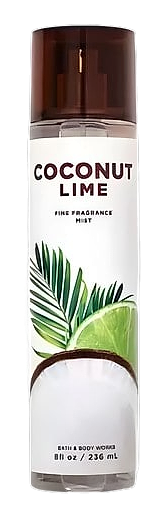
Coconut Lime started with an idea: what if coconut cream could do for citrus what salt does for caramel? Cut the sweetness. Add dimension. Bath & Body Works released it in 2020, a year when the world wanted accessible comfort in a bottle. The brand skipped the idea of complexity and went straight for joy, a scent that smells like the idea of summer, not the reality of it. Sweet, bright, and meant to be sprayed liberally on skin, on clothes, on the air after a long day.
The magic here is in the balance. Coconut cream acts less like a tropical note and more like a bridge, it takes the lemon's natural sharpness and rounds it into something smoother, rounder, and frankly more wearable. The lime keeps it honest. Custard adds just enough sweetness without tipping into dessert territory. Sea water is the quiet counterweight, the reminder that coconut grows near ocean, not in a candy aisle. It's a composition that trusts the wearer to want something uncomplicated.
The evolution
The opening hits bright and tart, lemon zest over coconut cream, citrus oil bright enough to feel almost green. Within fifteen minutes the coconut settles in, the lime arrives, and the whole thing softens into something edible. The heart is where it lives longest: vanilla-custard sweetness held up by a cool marine thread that keeps it from cloying. By the drydown the coconut turns creamy and intimate, clinging close to skin. The sea water lingers. Everything else fades. On clothes the next morning: a ghost of vanilla, warm and quiet.
Cultural impact
Coconut Lime represents Bath & Body Works' approach to making tropical fragrance accessible to mainstream audiences since the 2010s. By translating vacation-inspired scent associations into affordable mists, the brand helped normalize fragrance as a casual daily ritual rather than a special-occasion luxury. The lemon-coconut pairing taps into cultural associations between citrus and cleanliness, coconut and escapism, creating a scent that evokes easy summer days at an accessible price point. This democratization of tropical notes reflects a broader shift in how consumers engage with fragrance, treating scent as mood-enhancing self-care rather than luxury spending.