Heritage
A house, in its own words
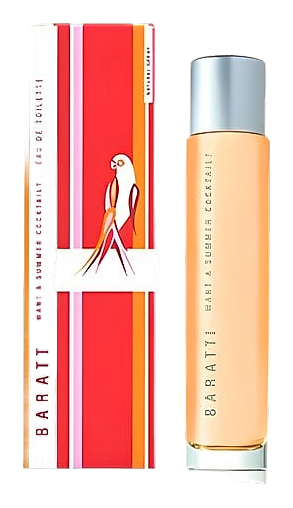
Baratti's fragrance story is inseparable from the history of the Italian confectionery name Baratti. The confectionery was founded in Turin in 1875 by Francesco Baratti and became known for sweets such as mint drops, anis candies, and fruit-flavored confectionery. The fragrance house carries this name forward with a more expressive, adult sensibility, presenting scent through names that invite curiosity and association. Want a summer cocktail? is the clearest surviving example, first released in 2007. Its title treats fragrance as a suggestion for atmosphere, pairing the house's playful Italian tone with a fragrance format that invites discovery rather than immediate explanation. The supplied research materials contain detailed histories for other perfume houses, including Lubin and Houbigant, but they do not document Baratti's founding year, founder, or later corporate milestones. For that reason, those details remain unconfirmed here. What can be stated is the enduring appeal of the Baratti name, its Turin association through the confectionery business, and the fragrance house's distinctive approach to naming. Baratti's creative direction appears to favor wit, memory, and the imaginative life of fragrance. The name Want a summer cocktail? does not describe notes or occasion in the conventional manner. Instead, it offers a scene: heat, brightness, leisure, and the pleasure of a mixed drink. That framing gives the fragrance room to function as an atmosphere rather than a literal recipe. It also connects naturally with the Baratti confectionery legacy, where flavor, nostalgia, and sensory pleasure form part of the brand identity. This does not mean Baratti treats perfume as edible or borrows the confectionery catalogue directly. It suggests a broader attitude in which scent can evoke a place, a feeling, or a memory. The house's philosophy is therefore best understood through its expressive naming and its ability to turn fragrance into a cultural reference. Want a summer cocktail? captures that idea in a few words, balancing informality with polished presentation while preserving the sense of play associated with Italian design.