Heritage
A house, in its own words
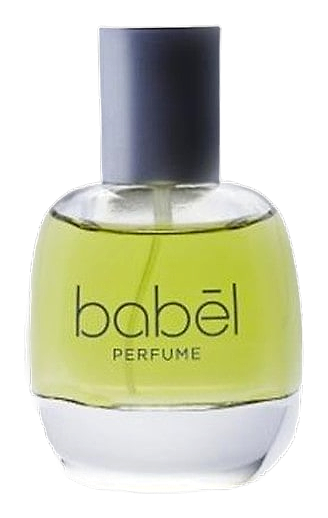
Houbigant's story begins in Paris in 1775, when Jean-François Houbigant, born in 1752, established a perfume business at 19 Faubourg Saint-Honoré. His early business sold scented gloves and pomades before expanding into a wider range of fragrances. This origin gives the house a distinct connection to the culture of scent: its founder made fragrance part of daily dressing and grooming at a time when perfume was already becoming an established Parisian craft and trade. The company later developed a reputation for compositions built around floral arrangements and polished presentation, a direction visible across its surviving fragrances. Babēl entered that lineage in 2014, placing it in a house that by then had more than two centuries of continuous operation behind its name. The historical record supplied here supports Houbigant's 1775 foundation and identifies the Faubourg Saint-Honoré address, but it does not establish a detailed production history for Babēl itself, nor does it link a named perfumer. The wider history of perfume reaches much further back, with the oldest known perfume discovered on Cyprus in 2003 and dated to around 4,000 years ago. Houbigant's importance rests not on being the origin of scent itself, but on becoming one of the enduring Parisian houses that turned perfumery into a specialized art with its own techniques, vocabulary and visual codes. Babēl's creative concept appears to rest on the tension between difference and recognition. Its title invokes the many languages of the world, an apt frame for a fragrance that can hold contrasting aromatic impressions within one composition. Yet the supplied research does not include an authoritative note pyramid or a first-person statement from the perfumer, so the precise meaning should remain open rather than be filled with generic claims about warmth, seduction or cultural fusion. Houbigant's broader identity is grounded in fragrance as an art of composition. The house helped establish the idea of the floral bouquet as a structured form, arranging separate materials into a coherent sensory whole. That history offers a useful lens for Babēl, even though the available material does not confirm how directly its 2014 creation follows that earlier model. A restrained reading is also appropriate. Babēl is not presented in the supplied material through the language of a radical fragrance revolution, and no independent evidence here supports calling it innovative without qualification. Its interest lies in the house name's broader meaning and in what the name suggests: communication across difference, a crowded field of voices brought into relation. The house's longevity provides the conceptual counterweight. Babēl arrives from a perfume house whose identity comes from sustained practice, not a newly invented trend.