Heritage
A house, in its own words
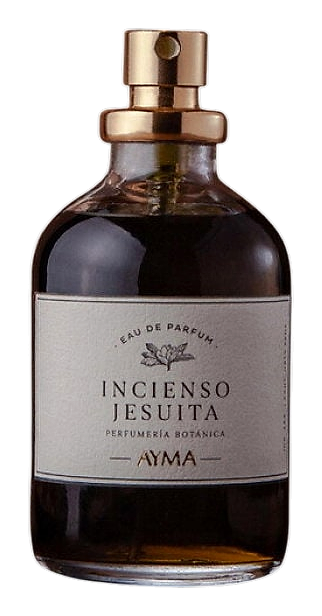
AYMA was founded by Amanda Cetra, whose family background bridges nature and the fragrance industry. Her parents supplied raw ingredients to perfumers, and growing up amid that trade shaped her early understanding of botanical sourcing and olfactive materials. The name itself echoes an ancient reference to botanical classification, anchoring the house in centuries of plant study. The brand's identity crystallized around a fascination with 19th-century botany, the era when European naturalists traveled the southern hemisphere cataloging previously unrecorded species. AYMA translates this scholarly romance into contemporary perfumery, treating South American flora as both subject and muse. Its debut collection, 1770 Vinum, pays tribute to the explorers, scientists, and indigenous knowledge keepers who mapped the continent's aromatic treasures. Since its launch, AYMA has positioned itself as an independent voice from Latin America in a global fragrance conversation long dominated by European houses. The boutique in Buenos Aires operates as part perfumery, part cabinet of curiosities, inviting visitors into the world of the naturalist-explorer. Each release extends the house's ongoing archive of southern botanicals, building what amounts to a living herbarium in scent form. AYMA operates at the intersection of botany, history, and perfume. The house treats fragrance as a form of archival storytelling, where each composition preserves a chapter of the southern hemisphere's natural heritage. Where many brands romanticize exoticism, AYMA grounds its work in botanical specificity, naming species, habitats, and the scientists who first documented them. The creative vision rests on a few core commitments. First, southern flora deserves its own perfumery vocabulary, one not borrowed from Parisian or Mediterranean traditions. Second, perfume can function as memory and document, encoding the discoveries of field naturalists into something wearable and intimate. Third, education and beauty belong together; the boutique-museum concept reflects a belief that fragrance appreciation deepens when context is shared. Amanda Cetra has described her work as an ongoing dialogue with the land. The compositions aim to honor biodiversity while making it accessible, transforming rare plant materials into personal scent experiences. The result is a house that feels both scholarly and sensual, rigorous yet romantic, rooted in place rather than trend.