The Story
Why it exists.
The beginning
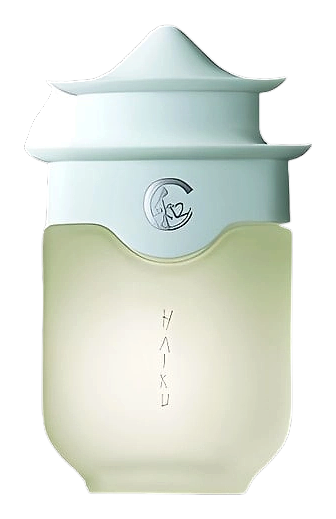
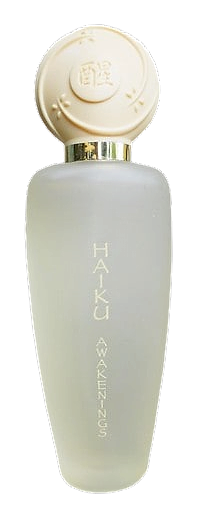
Haiku Awakenings arrives in 2003 as part of Avon's Haiku collection, a line built on the philosophy that a fragrance can capture a single, perfect moment. The name haiku comes from Japanese poetry: seventeen syllables, one vivid instant. Harry Fremont translated that concept into scent, the precise instant when morning light touches white petals, when dew still clings and the world hasn't quite woken up.
With just three materials, jasmine, freesia, and musk, Haiku Awakenings stakes everything on restraint. No heavy sillage, no screaming top notes. Instead, a composition that asks: what if the most powerful moment is the quietest one? Jasmine provides the indolic warmth, freesia adds its cool, slightly green florality, and musk smooths everything into that intimate skin-close quality that defines the wearer's experience.
The evolution
The opening brings dewy, almost translucent freshness. A garden at dawn, before the sun fully commits. That transparent, slightly aquatic quality gets more pronounced as the initial brightness settles, not louder, but deeper in its clarity. Jasmine and freesia emerge slowly, their sweetness lifting through the coolness. Then the hand-off: florals fade, musk rises. The drydown turns powdery, warm, close. This is where the fragrance lives most honestly, intimate, soft, within arm's reach. A quiet presence that stays with you throughout the day. Not a statement scent. A companion.
Cultural impact
Haiku Awakenings found its audience among those who prefer intimacy over projection. Some wish it lasted longer or projected further, but neighbors who lean in to ask suggest the sillage works as designed. The white floral and musk combination gives it a clean, powdery character that reads as soft rather than sweet. In a decade known for bigger, louder fragrances, this one made a case for restraint.