Heritage
A house, in its own words
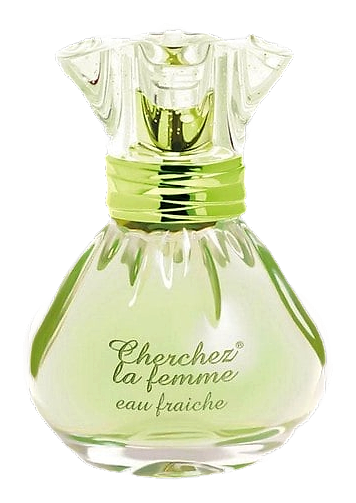
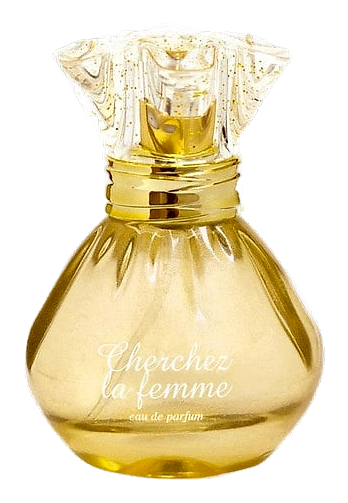
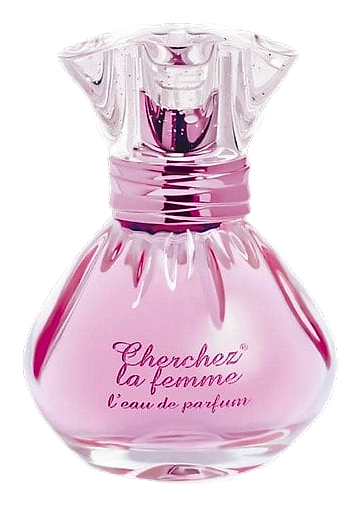
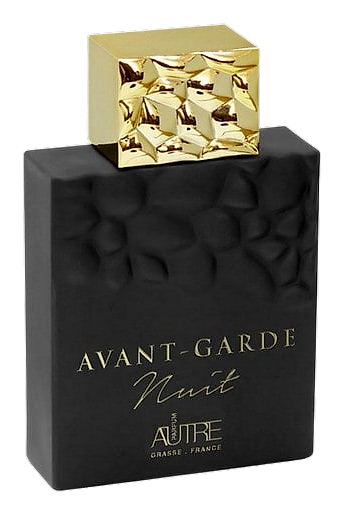
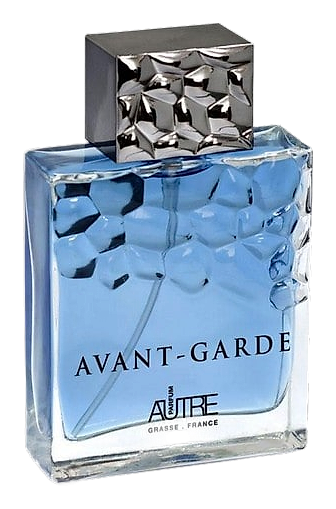
The story of Autre Parfum sits within the longer history of the House of Houbigant, which traces its origins to 1775 in Paris, when the house was established as a supplier of fresh gloves, sachets, and perfumes to the French royal court. The Houbigant family operated the business for generations, eventually concentrating on fine perfumery. The house introduced Fougère Royale in 1882, a composition built around the fern accord that became one of the most influential perfumery references of the late nineteenth century. By the twentieth century, Houbigant had developed a catalogue that included L'Heure Bleue, created by Jean Carles in 1912, and the floral chypre Patache in the 1940s. The house changed hands several times during the late twentieth century and was acquired by Art and Fragrance Holdings in 1996. In the early 2000s, Houbigant sought to reconnect with its historical roots while introducing more contemporary releases. The creation of the Autre Parfum line fits that period of repositioning, with Avant-Garde debuting in 2013 and the Cherchez La Femme collection following in the same year. The broader house continued operating through its family business structure and later under new ownership arrangements. What distinguishes Autre Parfum within this history is its willingness to explore conceptual naming and more assertive modern themes, treating perfumery as a site of cultural commentary rather than simply an accessory to personal style. Autre Parfum reads as a space within Houbigant reserved for ideas, where the house's historical authority meets contemporary provocation. The label's naming makes its intentions clear. Avant-Garde positions the fragrance as a statement about the present moment, an olfactory take on modernity and the changing codes of scent. Cherchez La Femme, by contrast, invites reflection on femininity and the chase for it, turning the familiar pursuit into something self-conscious and layered. The 2015 additions, Cherchez La Femme Eau Fraiche and Cherchez La Femme L'eau de Parfum, show the house extending the original concept across different concentrations and seasonal moods rather than abandoning it after a single launch. The existence of Avant-Garde Nuit within the same year suggests a deliberate interest in atmosphere and the darker register of scent. Across these releases, the approach is narrative. Each fragrance is given a clear name that frames the olfactory experience, acting as a prompt for the wearer and the observer. This is perfumery treated as communication, where the name and the scent work together to construct an identity. The philosophy remains subtle in one respect. Independent documentation of the creative brief, the perfumers, and the specific inspirations behind each release is limited, so the concept is best inferred from the titles, the decade of introduction, and the two parallel scent directions the house chose to develop.