The Story
Why it exists.
The beginning
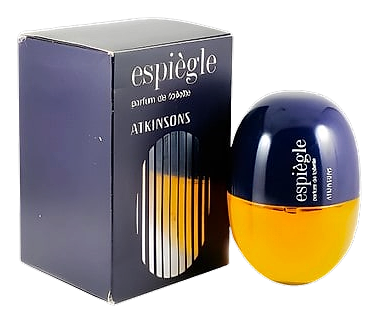
Espiègle arrived in 1973 from Atkinsons, a house that had already spent nearly two centuries earning its reputation. Atkinsons was a name that carried a certain eccentric streak before it could, a heritage built quietly over generations of fragrance making. The name Espiègle itself carries a mischievous weight in its original French, and it sits naturally with the character of a house that never quite followed the crowd. The composition is a green floral with a deliberate animalic undertone, threaded with moss and a gourmand warmth in the base. It reads as a fragrance with a sense of humor, the kind that winks rather than announces. Atkinsons had a way of making perfume that felt considered, and Espiègle carries that same confident stride.
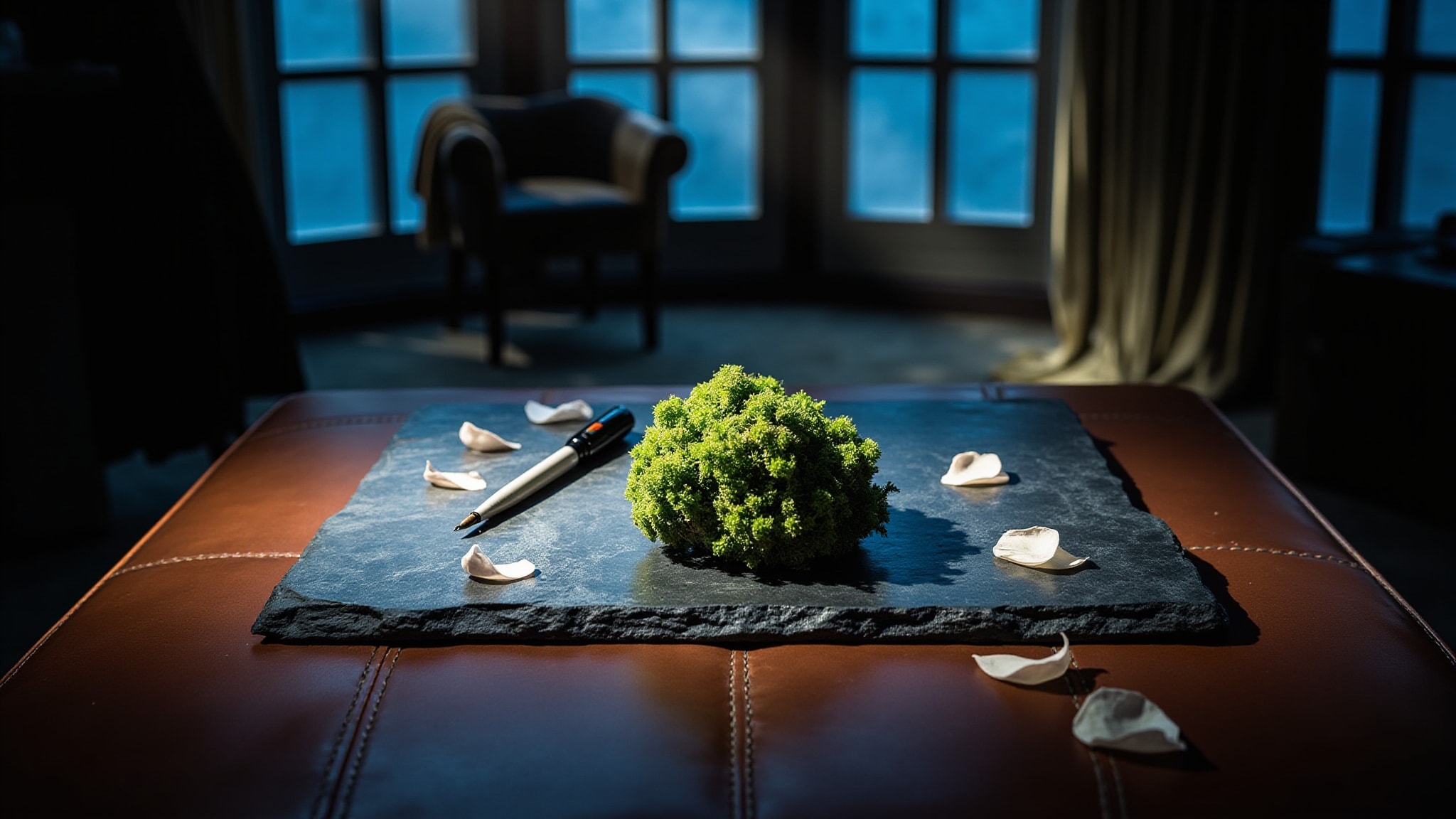
What makes the composition unusual is how it balances green florals with a deliberate animalic undertone, a contrast that gives the scent its particular character. The green top notes carry a wet, almost mossy quality, the kind of smell that suggests damp stone and shaded corners rather than open meadows. Atkinsons threaded moss through the florals with intention, so the scent never settles into a single mood. It shifts, moving from the crisp and slightly bracing green of the opening into something rounder and more indulgent.
The evolution
The opening is almost startling in its brightness, green notes and moss dominating with a crispness that reads more like a clean morning than a typical floral perfume. There's a sharpness to the opening that some wearers find challenging, but it never sits still. It moves, quickly, the green lifting and softening as the first few minutes pass. The florals arrive to warm the composition, soft and rounded, without burying the green entirely. The transition feels natural, almost inevitable, as if the scent was always heading somewhere warmer. As the hours pass, the animal and gourmand accords surface. This is where Espiègle stops being polite. The base unfolds with a creamy warmth, almost edible, the kind of sweetness that lingers close and keeps revealing itself.
Cultural impact
Espiègle sits in a quiet corner of Atkinsons' catalogue, one of the less-celebrated releases from a house with a long and varied lineup. The green-floral-animal structure gives it a distinctive character that separates it from other Atkinsons offerings, the kind of composition that feels specific to its moment. It wears like a fragrance with a clear point of view, unapologetic in its choices, and the animal accord underneath the florals gives it an edge that keeps things interesting throughout the day. Vintage bottles surface occasionally, and the scent retains a following among those who appreciate green florals with a bit of attitude.