Heritage
A house, in its own words
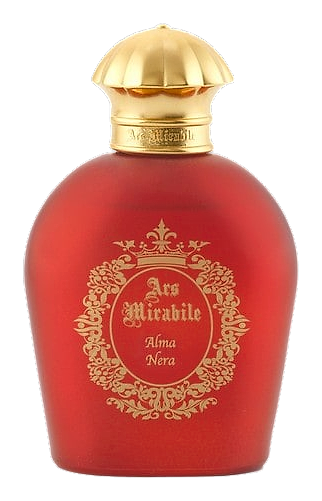
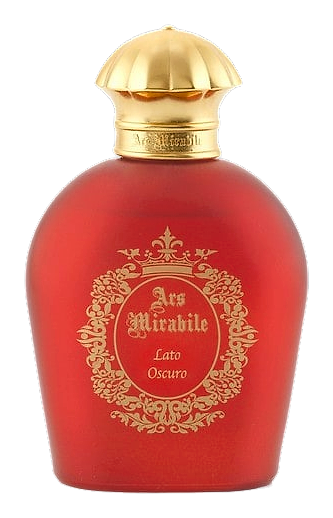
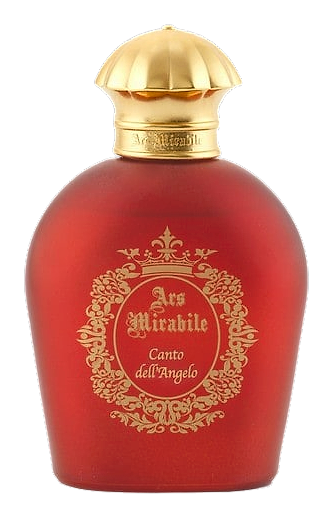
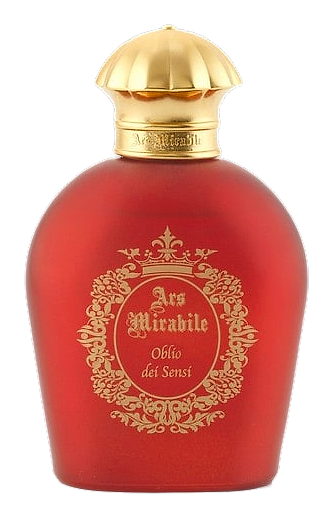
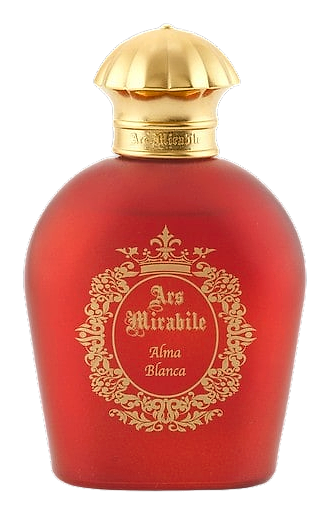
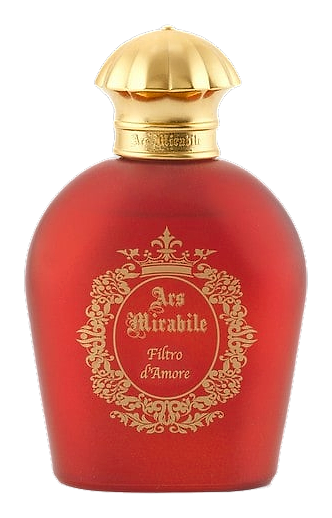
Ars Mirabile traces its identity to the Renaissance tradition of perfumery associated with Catherine de' Medici, whose arrival in France from Florence in 1533 is often linked to the development of refined court perfumery in Europe. The house emerged in 2015, a detail reported by fragrance retailers describing its growth from that year, before introducing the six-part Ars Aeterna collection in 2016. Its historical subject is unusually specific for a modern fragrance label. Rather than borrowing from a generalized medieval atmosphere, the collection is organized around a set of themes drawn from the era: darkness, the senses, spiritual radiance, love and the mysterious presence suggested by its name. The title Ars Mirabile, meaning a marvelous or remarkable art, frames perfume as a disciplined historical practice, while Ars Aeterna places that idea within a collection built around endurance and memory. Public information about the brand remains concise, with the story appearing across product descriptions and retailer listings rather than in a widely documented company history. No individual founder or perfumer has been reliably identified in the available sources. Ars Mirabile therefore presents a young Italian house with a long historical reference point, joining the modern niche fragrance market to a Renaissance chapter frequently associated with Catherine de' Medici and the rise of scented court culture. The creative premise of Ars Mirabile is to treat perfume as part of historical memory. Its initial collection, Ars Aeterna, was conceived through the lens of Renaissance perfumery and Catherine de' Medici, moving between intimate emotion and courtly symbolism. The fragrances in that collection include names that suggest contrasting sensory and emotional registers: Alma Nera evokes an obscure or dark soul, Lato Oscuro points toward the shadow side, Alma Blanca introduces a bright counterpart, Oblio dei Sensi turns attention toward the senses, Canto dell'Angelo evokes an angelic song and Filtro d'Amore references love as a filter or enchantment. This naming pattern gives the collection the character of an imaginative archive, where each fragrance represents a distinct facet of a historical world. The brand's approach is selective rather than expansive, at least in the available catalogue, and the repeated use of Italian and literary language places it within the Italian tradition of fragrance as an art form. The house avoids a single, easily summarized olfactory signature in favor of narrative variety. Its creative vision links perfumery with the transformation of the past into scent, using Renaissance imagery not as decoration alone, but as a framework for exploring power, passion, memory, spirituality and sensuality.