





Heritage
A house, in its own words
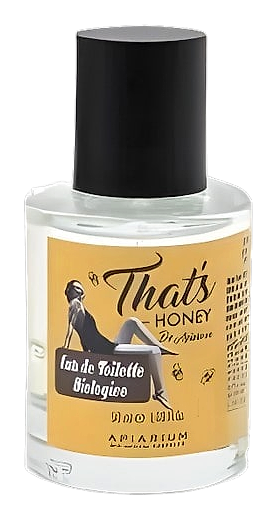
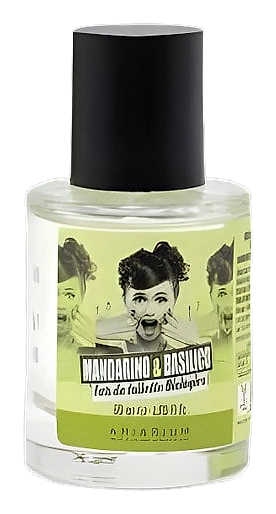
Apiarium appears to draw on Italy's long relationship between fragrance, food, herbs and botanical culture, but the supplied sources do not document the company's own founding, ownership or development. That distinction matters. The research includes established perfume houses with documented histories, such as Santa Maria Novella, whose roots reach back to a Dominican friary in Florence in 1221, Farina est. 1709, founded in Cologne by Johann Maria Farina, and Maison Houbigant, which has operated since 1775. None of those histories identifies Apiarium as an affiliate or predecessor, so they cannot be used to construct a lineage for this brand. Apiarium's own catalogue provides the clearest trace of its character. Titles such as Acqua & Sale, That's Honey and Ambra & Gelsomino combine familiar sensory references with a playful, memorable tone. Vaniglia & Mandorla, Orchidea & Riso and Mandarino & Basilico place food, flower, fruit and herb associations in the same naming system, while Cedro & Patchouli, Wow! Che Scent! and Bio For Man broaden the range. No sourced founding year is available, and the brand's Italian origin should be treated cautiously unless verified elsewhere. What can be said with confidence is that Apiarium presents fragrance through vivid pairings and accessible Italian references rather than through a documented heritage narrative. Apiarium's creative idea appears to rest on making scent immediate and legible through expressive naming. Acqua & Sale suggests the meeting of water and salt, That's Honey places sweetness at the centre of a composition, and Ambra & Gelsomino pairs warm amber with jasmine. Vaniglia & Mandorla turns to vanilla and almond, Orchidea & Riso brings together orchid and rice, and Mandarino & Basilico joins citrus with a pungent green herb. These titles do more than label ingredients. They create a small narrative around each fragrance, inviting the wearer to imagine texture, temperature and mood before the scent is encountered. The exclamation in Wow! Che Scent! adds personality and reflects a less formal register than the conventional luxury language used by many perfume houses. The brand's naming system also spans categories that often exist separately in perfumery, including food-inspired accords, fresh citrus, aromatic woods and gendered collections. No independent sources in the supplied material clarify Apiarium's stated values, creative team or sourcing commitments. Accordingly, its philosophy can be observed in the catalogue's varied vocabulary and playful tone, but not attributed to a documented manifesto or founder's intent.