
Heritage
A house, in its own words
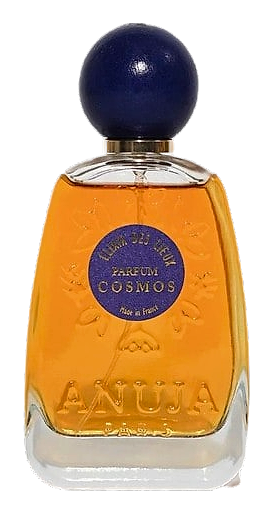
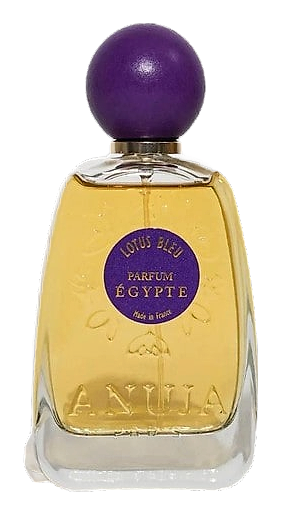
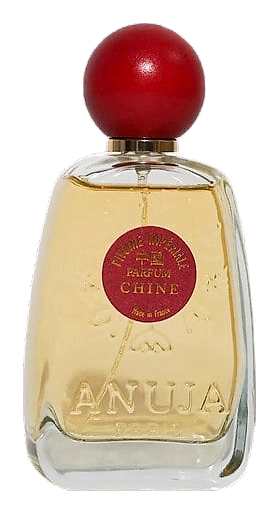
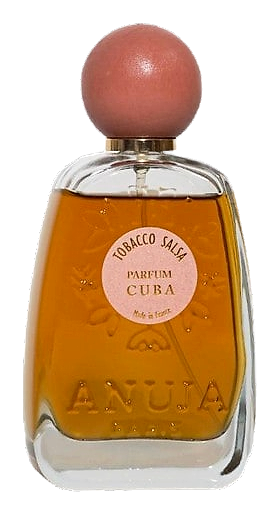
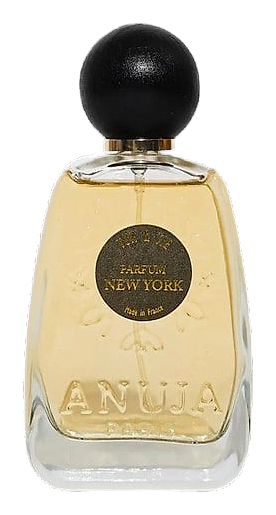
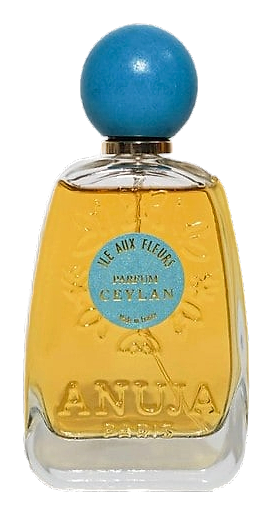
Anuja Paris has a short but notable history. A published account says that Adrien founded the brand in 2020 at the age of 17, describing him as a minor at the time. The same account presents his interest in the perfume world as the starting point for the company, but the available material does not identify a founding location, a named perfumer, or a detailed family background. This makes Anuja a recent independent fragrance house rather than a continuation of one of France’s historic perfume businesses. Its identity appears to draw a productive contrast between its Indian name and its French base. The supplied research also includes material about the much older House of Houbigant, established in 1775, but that history belongs to Houbigant and should not be attributed to Anuja. Likewise, the references to ancient perfumery and India’s long history with aromatic materials provide cultural and historical context, but they do not establish a direct lineage for the brand. Anuja’s verifiable heritage rests on its reported founding in 2020 and Adrien’s unusually young role as founder. The later fragrance titles suggest a continuing expansion of the house’s narrative world, though the supplied sources do not provide a complete launch chronology or independent confirmation for each release. Anuja’s public-facing language describes each fragrance as inspired by a journey, connecting the wearer with history, passion, and vibrant life. That idea gives the house a clear creative framework without relying on the exaggerated claims often used by emerging fragrance brands. A fragrance can function here as an atmosphere rather than as a simple representation of one ingredient. Tobacco Salsa suggests heat, spice, and nightlife. Irresistible Iris centers the composed, powdery character associated with iris. Pivoine Impériale introduces peony and regal floral language, while Lotus Bleu points toward water, blue imagery, and lotus. Tux & Tie uses clothing and evening dress as its cultural reference, giving the name a social and sartorial dimension. Île Aux Fleurs and Élixir des Cieux shift the mood toward a flower-covered island and a skyward, luminous register. The combination shows a preference for sensory storytelling, expressive names, and contrasts between earthly materials and imagined destinations. The philosophy is therefore best understood as image-led perfumery, where names act as invitations to imagine a place, a moment, or a mood. Since no independent interviews or detailed creative statements were supplied, claims about specific formulation intentions should be treated as interpretation rather than confirmed biography.