Heritage
A house, in its own words
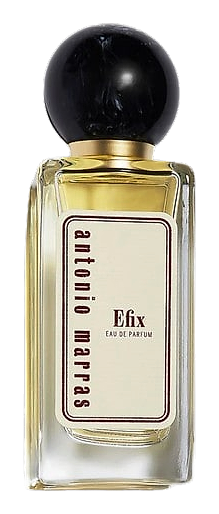
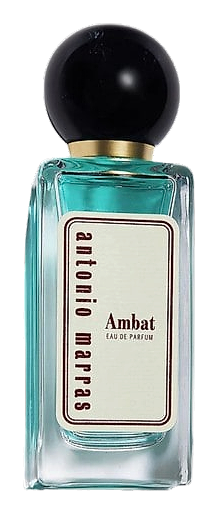
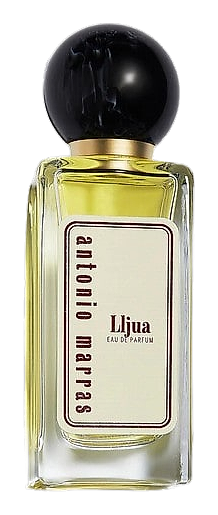
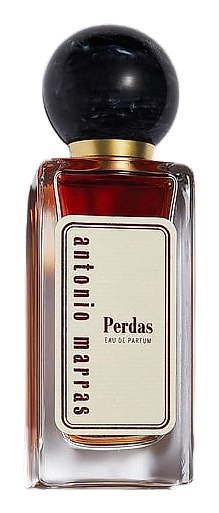
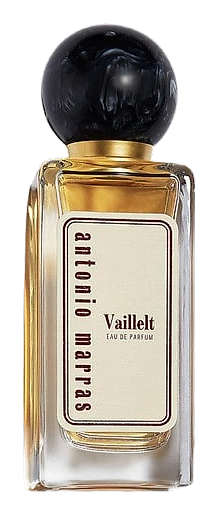
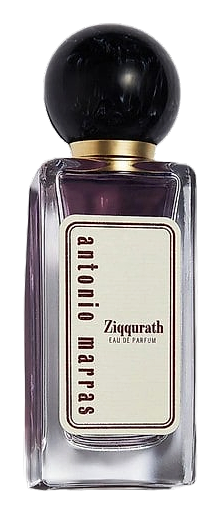
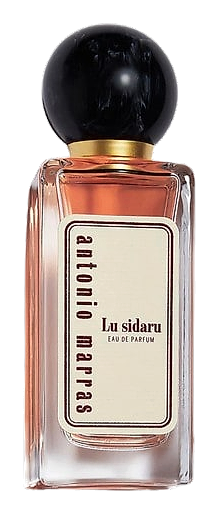
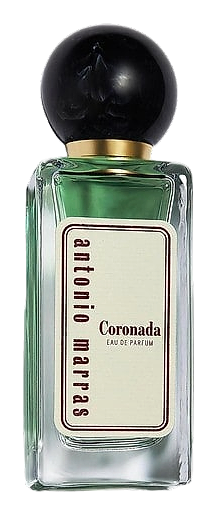
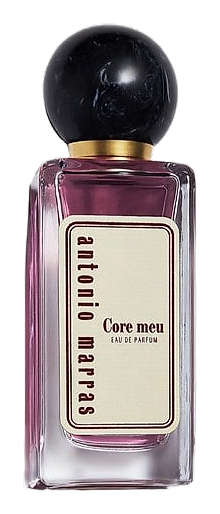
Antonio Marras began presenting experimental collections in the late 1980s, with the brand's own account identifying 1987 as the year of his first collection. His work gained wider recognition through a couture presentation in Rome in 1996. Although fashion established his public profile, Sardinia remained a formative influence. Marras was born in Alghero, and the island's histories, terrain, vegetation, and cultural references continue to shape his visual and creative language. His fragrance collection appears to translate that background into a series of distinct olfactory places. The nine fragrances documented for 2023 are not presented as a conventional family built around one signature note. Their names point toward different references and geographies: Lljua, Lu Sidaru, Efix, Ambat, Ziqqurath, Coronada, Core Meu, and Perdas each function as individual chapters in a broader idea of Sardinia. The collection was also developed with discovery kits, a format that makes sense for a designer whose practice has moved between fashion, installation, and sensory experience. The available research does not identify a founding date for the fragrance line, nor does it name a dedicated perfumer or fragrance-production partner, so those details remain unconfirmed. Marras's creative approach is rooted in attention to place. Rather than describing Sardinia through broad, easily recognized stereotypes, the fragrance project uses a collection structure to suggest that the island contains many distinct environments and cultural impressions. The names of the nine scents act as entry points into that larger map, while the discovery-set format encourages comparison and exploration. This fits the designer's documented history of experimentation and his interest in the diverse realities surrounding him. The idea also carries a clear continuity between fashion and fragrance. A couture collection can change the silhouette of a body, just as a perfume can alter the atmosphere around it. In Marras's case, both practices seem to begin with observation. The work does not need to announce innovation in abstract terms. Its character comes from translating a particular landscape, memory, or cultural reference into an olfactory experience. The fragrance messaging is strongest when understood as a sensory journey through Sardinia, not as a claim that the collection represents the entire island in a literal or exhaustive way.