The Story
Why it exists.
The beginning
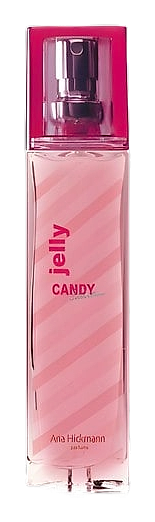
Jelly arrived in 2012 as part of Ana Hickmann's Candy Collection, a series of fragrances built around confectionery themes. The collection included Lollipop and Jelly, each capturing a different confection without literally replicating candy smell-alikes. Perfumer Carmita Magalhães composed the scent with a focus on the sensory experience of sweetness rather than its literal representation. The result is a fragrance that understands why people return to sweet scents, season after season, even when the fragrance world insists they shouldn't.
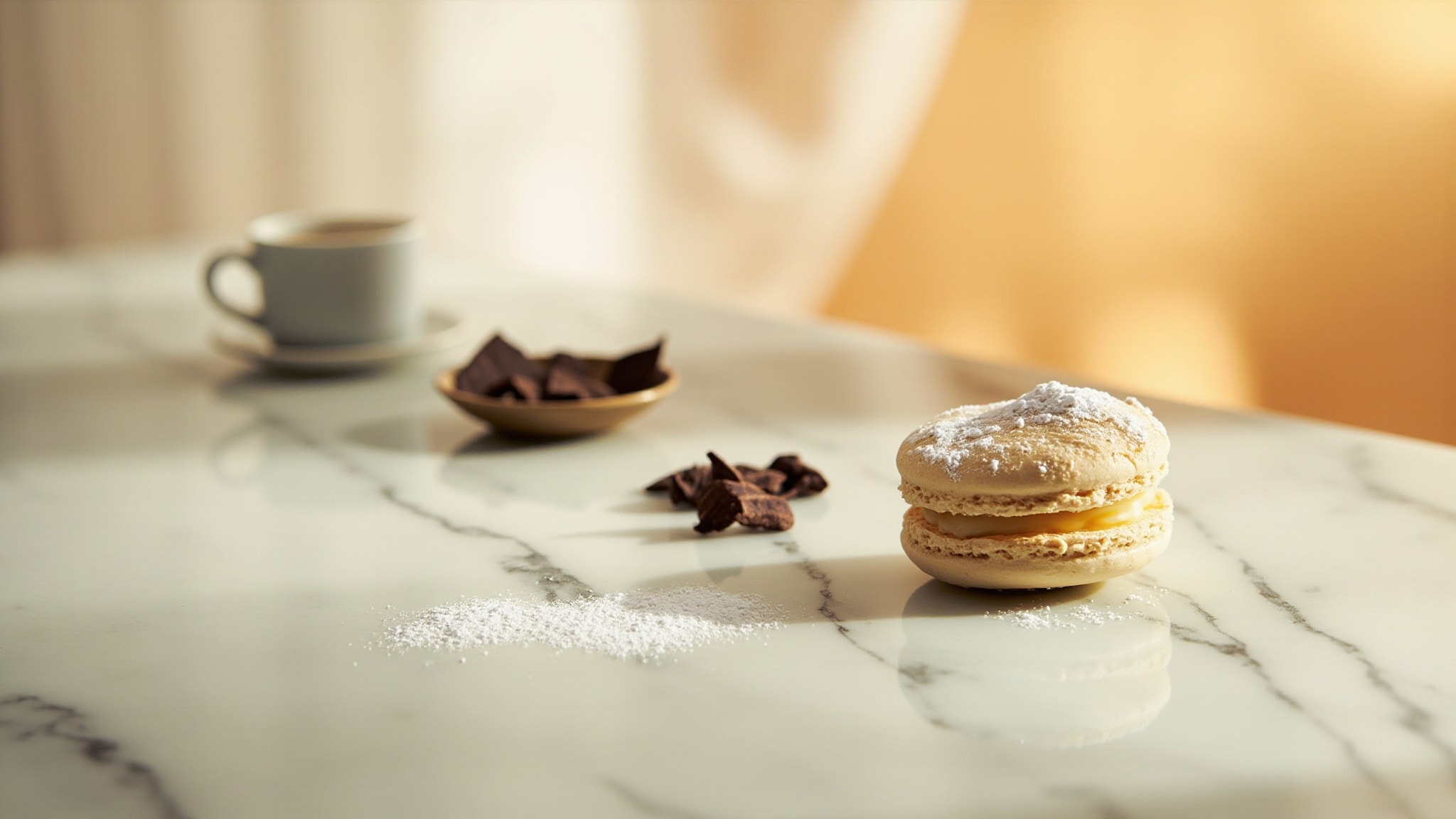
What makes Jelly work against the odds of its mass-market positioning is the way its sweetness has architecture. Meringue gives it volume without weight. Dark chocolate grounds what could have been pure confection into something with actual presence. Marshmallow and vanilla don't just layer, they hold each other up. Cupcake and macarons exist more as emotional references than literal notes; the fragrance smells like the memory of baking, not the act. It's sweetness that remembers it has somewhere to go.
The evolution
The opening hits soft and immediate, powdered sugar suspended in air, barely there. Within minutes, the chocolate arrives not as a top note but as a structure, holding the meringue and marshmallow in place so they don't simply evaporate. The heart is where Jelly earns its name: sticky-warm, edible, the kind of sweetness that demands you pay attention. As it settles into the drydown, the powdery accord emerges, not baby powder, but the clean warmth of skin that's been close to something sweet for hours. The dark chocolate lingers last, close to the wrist, impossible to shake.
Cultural impact
Jelly arrived in 2012, a period when sweet, edible fragrances were gaining popularity across markets. Released by Ana Hickmann, a Brazilian supermodel-turned-designer, the scent reflects the era's embrace of gourmand perfumery. Its marshmallow, meringue, and cupcake notes offer an affordable entry point into sweet-scented beauty. The fragrance represents Ana Hickmann's approach to translating her fashion aesthetic into accessible beauty products.