
The Story
Why it exists.
The beginning
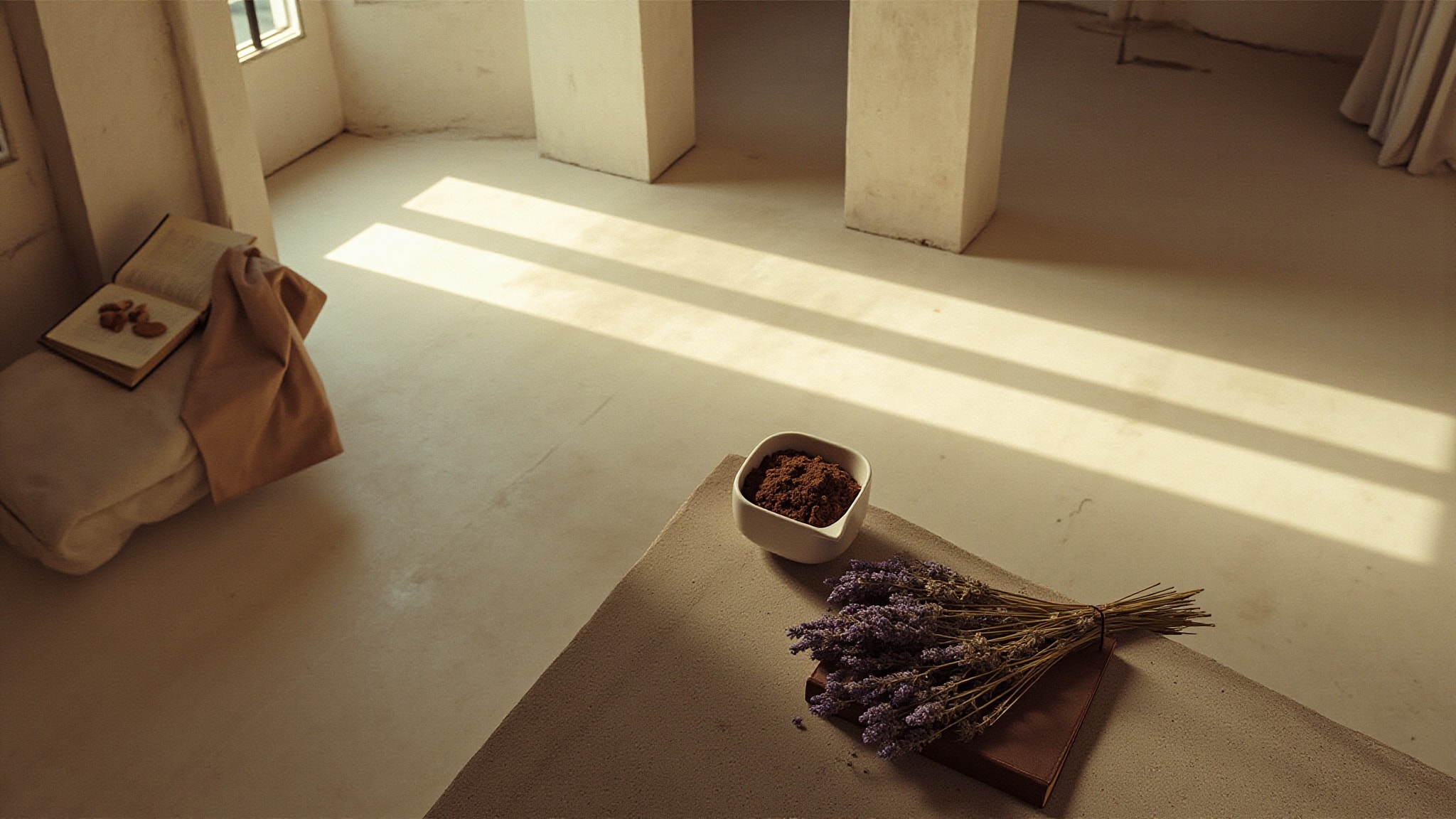
A recipe from the 1700s Versailles court. Created by a mistress for a king. Dark cacao and French lavender. A pairing that sounds wrong until it doesn't. The rich, bitter depth of cacao meets herbal, slightly camphoraceous French lavender in a composition that refuses the obvious. It shouldn't work. It does.
What makes it work is the tension. The cocoa isn't sweet, it's dry and dusty, almost bitter. The lavender is herbal, not comforting. Grapefruit blossom and lemon zest lift the whole thing with a sharp citrus edge. Tea grounds it. Vanilla and musk warm the base, but barely. The real move is the powdery drydown meeting dusty cocoa and citrus. They shouldn't coexist. They do.
The evolution
It opens cool. Herbaceous lavender and bright citrus provide an immediate freshness. The cocoa appears not sweet, not a dessert note. Dusty, powdery, it holds its ground against the lavender rather than blending into it. The two notes balance each other for hours, neither overwhelming the other. An astringent quality keeps the composition honest, preventing anything from becoming too soft or too sweet. Vanilla and musk arrive softly, settling underneath without dominating. The overall impression is powdery and intimate, with cocoa and lavender remaining present throughout.
Cultural impact
Lavender and cacao occupies an unexpected space in perfumery. Rather than leaning toward sweet, this combination presents dry cocoa, herbal lavender, and tea notes. The result has an aromatic quality that sets it apart from typical dessert fragrances. Some find the dry cocoa and bitter citrus austere. Others find it unlike anything else. Powdery without being soft. Foody without being sweet.

















