The Story
Why it exists.
The beginning
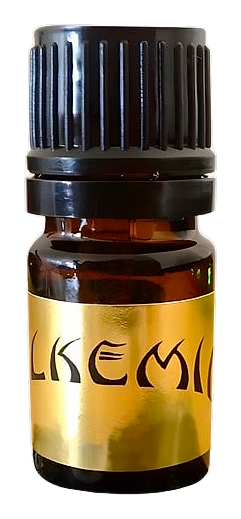
Acadia is named for the coastal region spanning Nova Scotia, New Brunswick, and coastal Maine, a landscape defined by the collision of Atlantic water and boreal forest. The name itself carries weight: not a Greek ideal of pastoral perfection, but a real, rugged place where evergreens meet the sea. Sharra Lamoureaux built this fragrance as a botanical survey of American landscapes, weaving together plants from the Southeast bayous, Great Plains, Southwest deserts, and Pacific Northwest into one composition. The concept is American geography as olfactory experience, a roadtrip distilled into liquid form. For Alkemia, this represents their house character in miniature: taking raw botanical materials and finding the unexpected connections between them, the way a road trip reveals the strange beauty in distances most people only drive through.
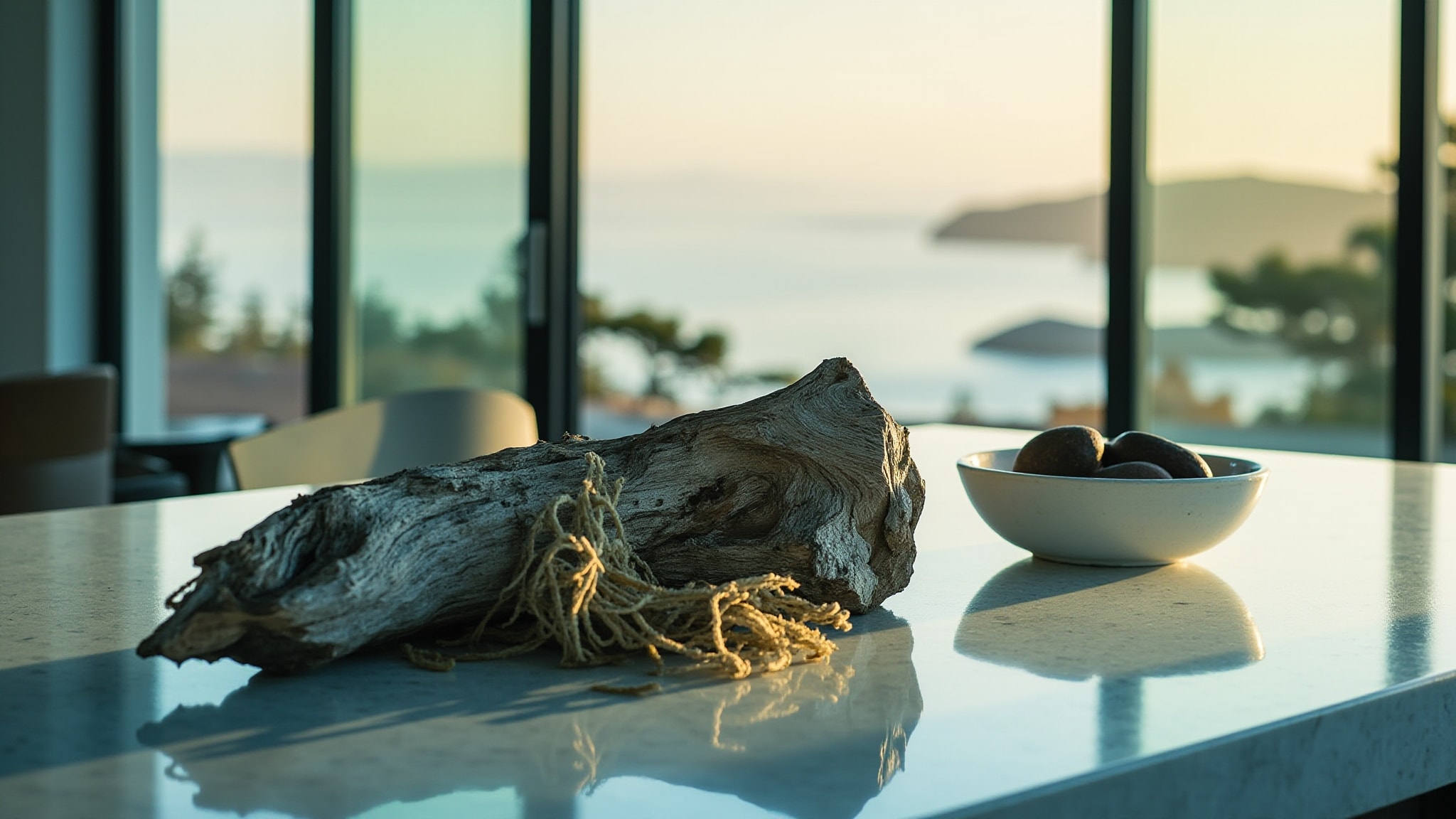
What makes Acadia work is its refusal to choose between marine and conifer. Most fragrances pick a lane, either you're a beach scent or you're a forest scent. But the Acadian coastline doesn't work that way. The sea doesn't stop the pines from growing right to the water's edge. Balsam fir and seaweed occupy the same landscape, and this fragrance honors that contradiction. Bay leaf adds an herbal sharpness that keeps the conifer notes from becoming Christmas-tree static, while driftwood provides the mineral, sun-bleached base that makes the marine accord read as coastal rather than aquatic in the synthetic sense. It's the smell of fog moving through trees, not a swimming pool.
The evolution
The opening hits cool and green, balsam fir needle and bay leaf, camphorated and slightly medicinal. Sea water arrives within minutes, not as a wave but as atmosphere, a dampness in the air that never quite lifts. Driftwood becomes the connective tissue around the thirty-minute mark, dry and mineral, like something washed ashore and baked by coastal sun. The heart belongs to seaweed, a green, slightly iodine edge that persists through the middrydown. By the final hours, the composition settles into something saltier and smokier, conifer resin meeting mineral driftwood on skin that smells like it's been outside all day. Lasts four to six hours on most skin, projecting moderately for the first two, then becoming a skin scent that lingers close. The drydown on clothes smells like a beach bonfire the morning after, salt, ash, wood.
Cultural impact
Acadia represents a significant moment in American independent perfumery, marking Alkemia's pivot toward indigenous botanical landscapes as source material rather than mere inspiration. The 2017 release arrived during a broader cultural reawakening around American terroir in craft beverages and foods, though the fragrance world moved more slowly. By grounding the scent in balsam fir and Atlantic marine atmospherics drawn from Acadia National Park's ecosystem, Sharra Lamoureaux created a fragrance that functions as olfactory cartography, mapping a specific regional identity onto skin.