Heritage
A house, in its own words
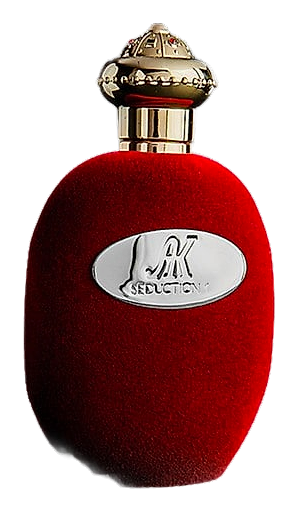
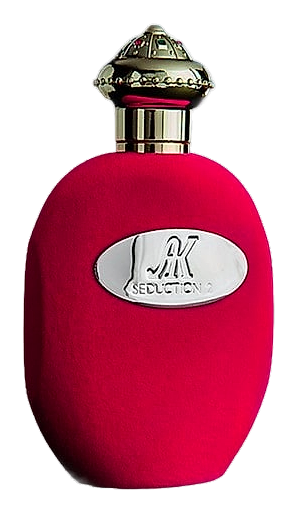
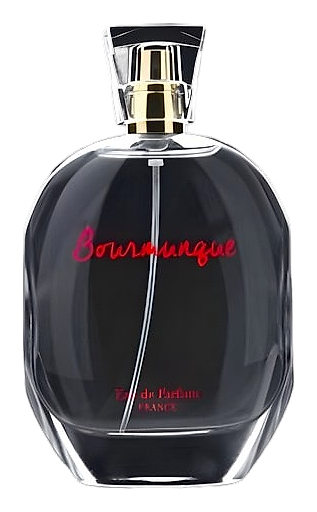
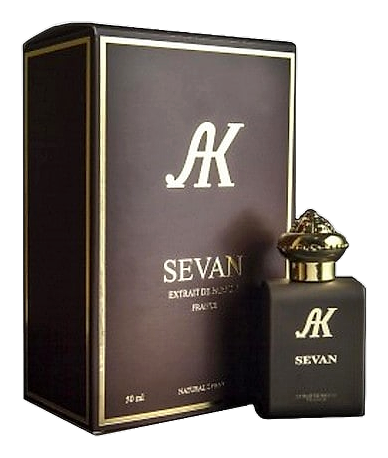
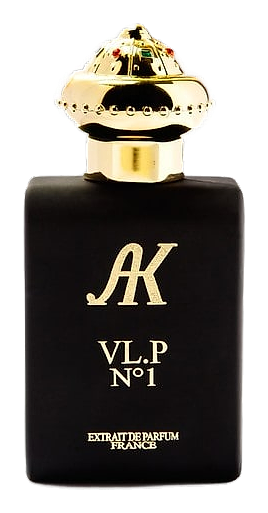
AK France was founded in 2016 by Antoine Khoury, a former fashion executive whose interest in perfumery led him to establish his own fragrance house. Rather than present the company as an heir to a centuries-old perfume dynasty, the house positions itself within the contemporary Paris perfume scene while drawing on France's longer history of perfumery. The Maison de Senlis partnership was an important part of this early chapter. Senlis brought generations of experience from Grasse, where the cultivation of flowers and aromatic plants helped shape the wider culture of French fragrance. AK France's earliest compositions, including Bourmunque, Sevan, VL.P No.1, Seduction 1, and Seduction 2, were produced by Maison de Senlis. The house continued to develop through collaborations that connected its fragrances with visual artists, fashion designers, dancers, and other creative practices. These projects reinforced a recurring idea behind the brand: perfume can act as a point of entry into a larger cultural world. The available historical record does not identify individual perfumers for AK France's releases, so its authorship is better understood through the brand's collaborations, chosen production partner, and relationship with contemporary culture rather than through a named perfumer lineage. AK France describes fragrance through the language of encounter. Its compositions are conceived as impressions of places, sensations, and memories rather than as decorative objects detached from experience. This approach is visible in names such as Bourmunque and Sevan, which sound coined and evocative, and in the house's decision to place its work alongside contemporary art, fashion, and performance. Founder Antoine Khoury moved into fragrance after working in fashion, and that background helps explain the brand's interest in atmosphere, presentation, and cultural exchange. AK France does not reduce perfumery to a single style or a single family of accords. Instead, its early portfolio moved between materials, moods, and ideas, with releases such as Seduction 1 and Seduction 2 showing a willingness to revisit a theme through a new composition. The central creative principle is to let a fragrance open a narrative. By partnering with artists and other cultural figures, the house frames scent as one element in a larger composition, where bottle, space, image, and audience meet. The documented record does not provide detailed statements about ingredient philosophy or formulation rules, so the clearest evidence of the house's approach lies in its varied debut lineup, its collaboration model, and its use of selective perfumery.