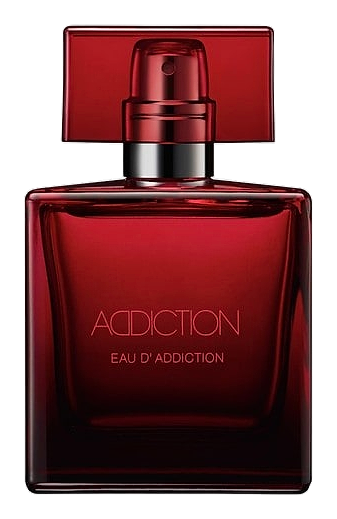
Heritage
A house, in its own words
The house was founded by Olivier Cresp, a perfumer whose career spans decades of work for some of the most established names in French fragrance, alongside his daughter Anaïs Cresp. For Olivier, the launch represented something personal: a return to a more authorial mode of creation after years of working within the structures of major houses. The father-daughter partnership shapes both the conceptual voice and the business decisions of the brand, a rare arrangement in an industry where family-run perfume houses are the exception rather than the rule. The Cresp family treats Addiction as a small studio operation rather than a scaled commercial enterprise, and that scale informs everything from launch cadence to ingredient selection. From its earliest releases, the house positioned itself as an outsider to the dominant Parisian luxury model, preferring narrative depth over distribution breadth. The brand's early years were marked by direct engagement with fragrance communities online, building recognition through independent reviewers and niche perfume retailers rather than department store placement. This approach has shaped Addiction's reputation as a discovery brand, encountered by collectors rather than discovered through mass marketing. Addiction treats scent as a mirror of behavior. Each fragrance begins with a question about human habit: what do we reach for, what do we hide, what do we pretend we do not need? The creative team, led by Olivier and Anaïs Cresp, sees perfume as a form of portraiture, where the subject is not a person but a pattern of wanting. This conceptual starting point gives the collection a coherence that many niche houses lack. Rather than designing around abstract notes or market gaps, Addiction works backwards from a feeling or compulsion and then builds the olfactory structure to express it. The house also holds a clear position on restraint. New releases are infrequent, and the team has spoken about resisting the pressure to expand the catalog simply because demand exists. For Addiction, a fragrance that does not yet have a clear emotional argument is a fragrance not yet ready to exist. This patience has become part of the brand's identity, signaling to collectors that each addition carries intent.