
Heritage
A house, in its own words
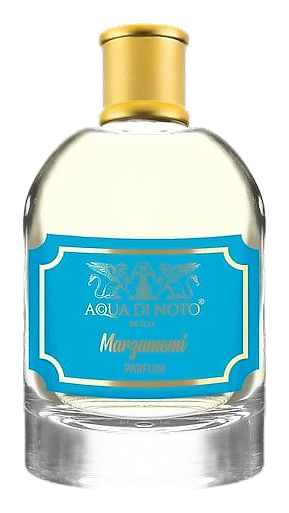
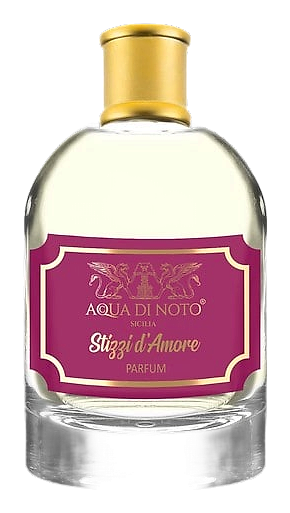
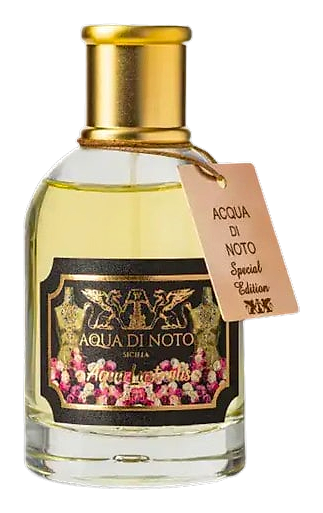
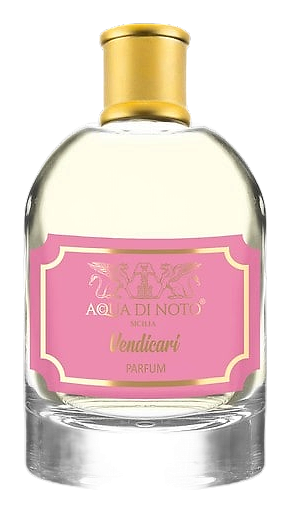
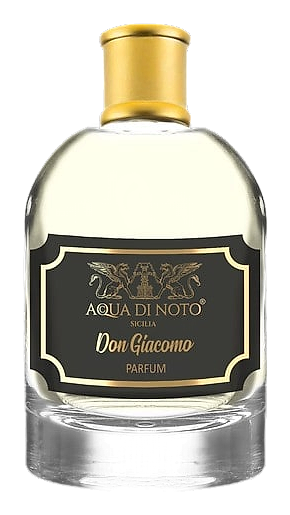
Acqua di Noto was founded in 2021 by Paoletta Ruffino, an art historian based in Sicily, and takes its name from the southeastern Sicilian city of Noto. Although the business is young, the idea behind it draws on a longer local story. The brand's boutique and fragrance development are presented as an extension of the city's cultural identity, expressed through scent rather than through conventional tourism. One account traces the collection's inspiration to the late 19th century and the passion of a Noto tailor, linking the house to the close relationship between commerce, craft, and the city's historic streets. The name of its sixth fragrance, Aqua Lustralis, also reaches back to Noto's Arabic past, where the term is associated with the city's beauty. That combination of Sicilian history, artisan culture, and contemporary perfumery gives Acqua di Noto a distinct origin story. The brand belongs to Nicolaci 13 and was created to promote Noto's identity through products made in Sicily. Available evidence supports its founding year, founder, location, and early collection, while details about its precise production setup remain limited in published sources. Acqua di Noto approaches perfumery as a form of cultural mapping. Each scent starts with a specific narrative rooted in Sicily, allowing fragrance to communicate the character of a place more directly than a general Mediterranean mood. The early names make this method visible. Marzamemi evokes a storied Sicilian locality, Vendicari recalls the area's natural landscape and reserve, Don Giacomo honors a person connected to Noto's cultural memory, Stizzi d'Amore draws on an expression of affection, and Infiorata suggests the act of flowering. The house's stated focus on Made in Sicily supports this idea by keeping local production and regional identity central to the brand. For Ruffino, whose background is in art history, the project appears to sit between cultural interpretation and sensory design. Noto is not simply used as a point of sale or a decorative theme. It functions as the collection's subject, the filter through which Sicilian places and stories become fragrance. This approach gives each release a narrative framework while leaving room for the interpretation of the wearer.