


Heritage
A house, in its own words
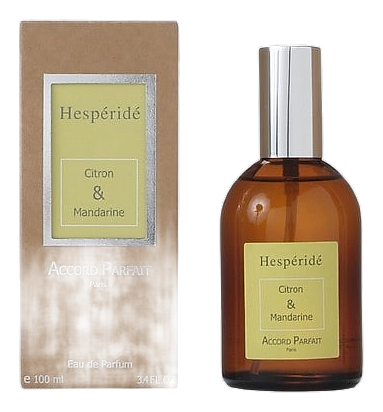
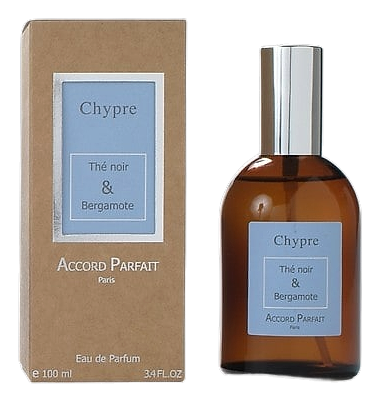
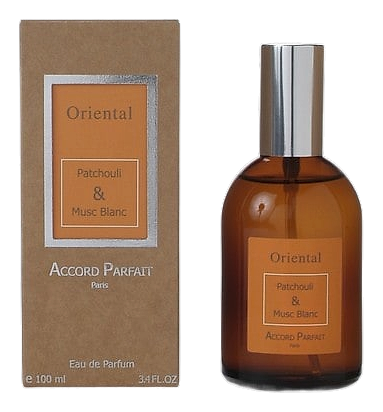
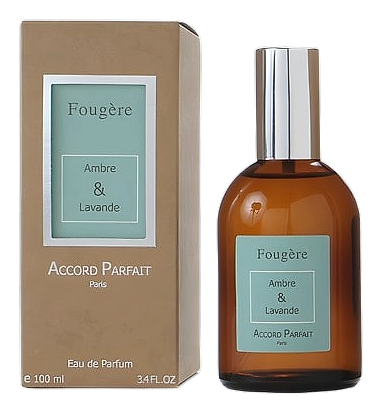
Accord Parfait operates within a French fragrance tradition that stretches back centuries, drawing on the long history of houses such as Houbigant (operating since 1775), Caron (founded in 1904 by Ernest Daltroff), and Creed (founded in 1760), all of which helped define what structured perfumery could be. The concept of the accord, the balanced combination of ingredients that forms the skeleton of a fragrance, has been central to professional perfumery since the 19th century, and it remains the guiding thread in modern composition, providing structure, coherence, and identity to any composition a perfumer builds. Accord Parfait takes this principle and distills it into its purest expression. The house positions itself within a lineage of French maisons that treat the accord not as a technical step but as an art form, and the brand's bilingual French naming and paired-note structure place it firmly within that heritage. Details about its specific founder, founding year, and early commercial history are not clearly documented in publicly available independent sources, so its precise origins remain less verifiable than those of its longer-established contemporaries. The guiding idea at Accord Parfait is that the most honest expression of perfumery begins with restraint. Rather than layering dozens of materials to build complexity, the house selects two notes and lets them negotiate with each other. Each fragrance is conceived as a conversation between two ingredients, and the perfumer's task is to set the terms of that conversation: which note speaks first, which lingers, where the balance tips. This approach mirrors the broader philosophy of accord-building in classical perfumery, where the accord is described as the guiding thread providing structure, coherence, and identity to a composition. Accord Parfait's commitment to duality is also a rejection of excess. By naming each composition after its two constituent notes (Citron & Mandarine, Heliotrope & Santal, Patchouli & Musc Blanc), the house invites the wearer to think about fragrance as relationship rather than accumulation. The brand sees the accord not as a starting point but as a destination, a complete artistic statement in itself.