Gerard Haury
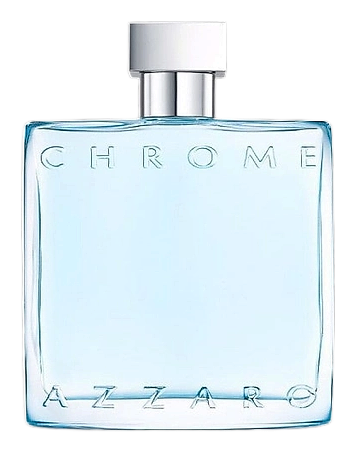
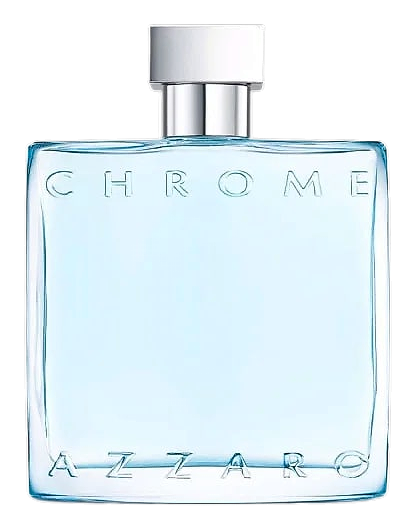
Gerard Haury remains a relatively private figure in the world of perfumery, though his work has left a distinct mark. He built his career at Haarmann & Reimer, one of the established fragrance houses where technical craft meets commercial fragrance creation. In 1996, Haury composed Azzaro Chrome, a men's fragrance that would become one of the brand's most enduring staples. The perfume's success demonstrated his ability to capture a specific mood: fresh, assured, and timeless without feeling dated. Unlike perfumers who emerge through prestigious nose competitions or Grasse family lineages, Haury's path reflects the quieter route of industry professionals who develop their craft within supplier houses before stepping into the spotlight with specific creations. His son Raphael Haury would later enter the field, suggesting perfumery runs in the family, though Gerard's own work remains centered on a narrower output. Public records of his career beyond Azzaro Chrome remain limited, making his body of work feel selective rather than prolific.
The hits
Notable creations
The signature
How Gerard composes
Haury's signature lies in clean, masculine compositions with sharp citrus openings and grounded drydowns. His work on Azzaro Chrome reveals an affinity for freshness that doesn't dissipate within minutes, instead integrating bright notes into a structure that holds. Oakmoss and wood bases anchor his work, providing the weight necessary for longevity. He demonstrates comfort with synthetic materials alongside natural ones, using modern aromatics to extend and stabilize rather than merely simulate natural accords. His style skews toward confident masculinity without aggression, the kind of fragrance that suits daily wear across occasions.
Philosophy
What drives Gerard
Haury's approach appears grounded in restraint and precision. Rather than pursuing constant reinvention, he seems drawn to creating fragrances with lasting appeal, instruments rather than experiments. Working within Haarmann & Reimer's structure likely reinforced an orientation toward functional elegance: perfumes that serve their wearer across contexts without demanding attention. Azzaro Chrome's decade-spanning presence suggests he prioritized durability over trend-chasing, understanding that commercial men's fragrance often succeeds through consistency rather than novelty. His philosophy appears to value the perfume that becomes reliable rather than celebrated.
The houses
Maisons Gerard composes for
In the same league