
Heritage
A house, in its own words
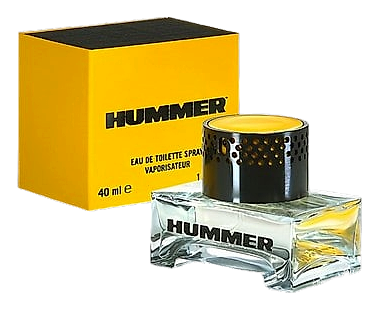
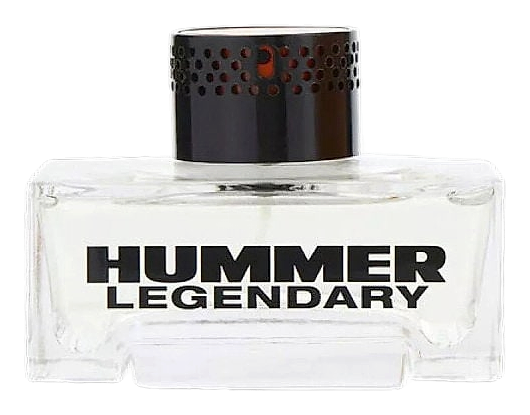
The Hummer fragrance line emerged from one of the most distinctive chapters in automotive history. AM General Corporation developed the HMMWV (High Mobility Multipurpose Wheeled Vehicle), nicknamed the Humvee, for United States military use beginning in the early 1980s, with production ramping up through the mid-1980s. The vehicle's imposing size and go-anywhere capability caught civilian attention after appearing during the Gulf War. Actor Arnold Schwarzenegger reportedly became the first celebrity to own a civilian Hummer in 1992, which helped transform the military hauler into a cultural status symbol. General Motors acquired the Hummer brand in 1999, expanding its lineup and eventually commissioning fragrance releases that could extend the brand's identity beyond vehicle ownership. The first Hummer fragrance arrived in 2004, followed by H2 in 2005, capitalizing on the brand's peak cultural visibility during that era. After GM discontinued Hummer in 2010 following the brand's 2009 sale to Sichuan Tengzhong (a deal that ultimately collapsed), the fragrance line continued in limited fashion, with later releases like Legendary appearing in 2020. The brand experienced a revival attempt in 2021 through Electric Last Mile, Inc., though this effort did not include fragrance production. Hummer fragrances operate on a philosophy of translating industrial might into personal expression. The brand ethos centers on capability, durability, and an unapologetic boldness that the original vehicles embodied. Fragrance releases aimed to deliver scent experiences with similar weight and presence, using commanding notes that project strength rather than subtlety. The target audience comprised men who identified with the Hummer lifestyle: adventurous, confident, and drawn to statement-making products. Rather than pursuing complexity or refinement for their own sake, Hummer fragrances prioritized immediate impact and lasting presence, mirroring how the vehicles prioritized function and unmistakable visual authority. The line represents an approach where fragrance serves as an accessory to identity rather than a sophisticated hobby pursuit, positioning scent as another vehicle for self-expression among consumers who valued the brand's singular character.