Amélie Jacquin
Amélie Jacquin grew up surrounded by scent. Her mother's family traces roots back to Grasse, the historic heart of French perfumery, and that lineage quietly shaped her trajectory long before she ever picked up a fragrance wheel. She trained as a perfumer at Givaudan, building her craft within one of the industry's most demanding ateliers before settling into the house's Paris studio. Her breakthrough came not from a single landmark fragrance but from a philosophy she developed early: that the energy of a place, its textures and atmospheres, could be captured and worn. She spent time translating the spirit of trending restaurants, the particular buzz of Parisian streets, and the sunlit intensity of southern France into olfactory form. That ability to pin down elusive mood became her signature. Today she counts among Givaudan's most versatile creators, equally at home building an abstract concept from scratch or dissecting how a single ingredient should smell within a composition.
The hits
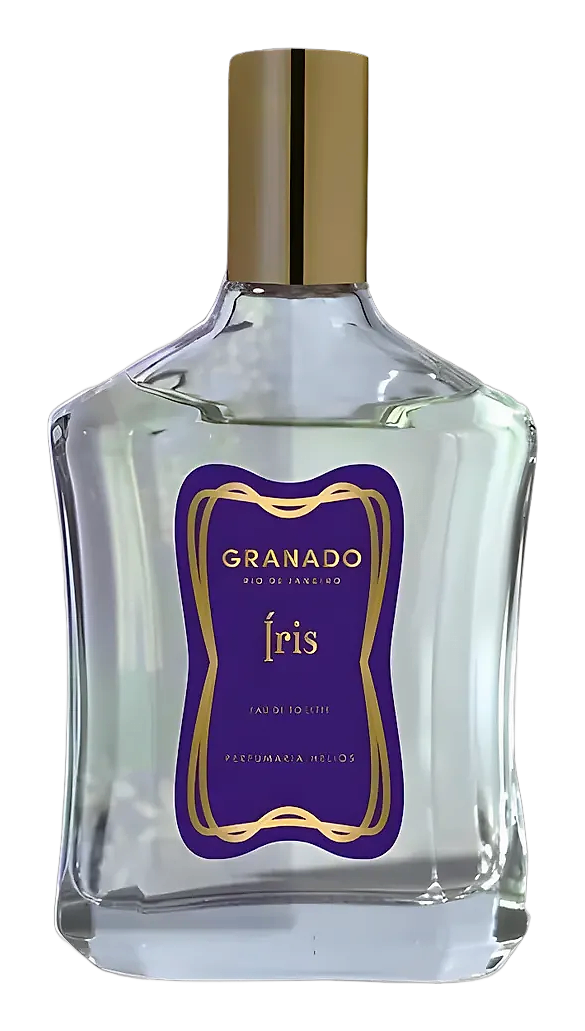
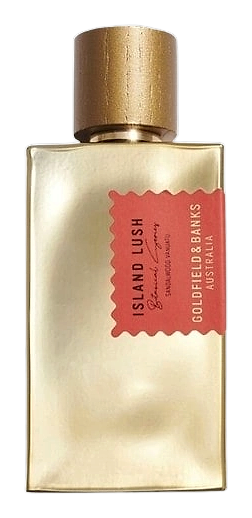
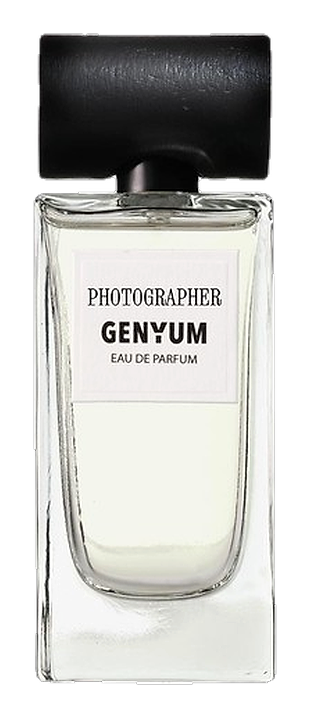
Notable creations

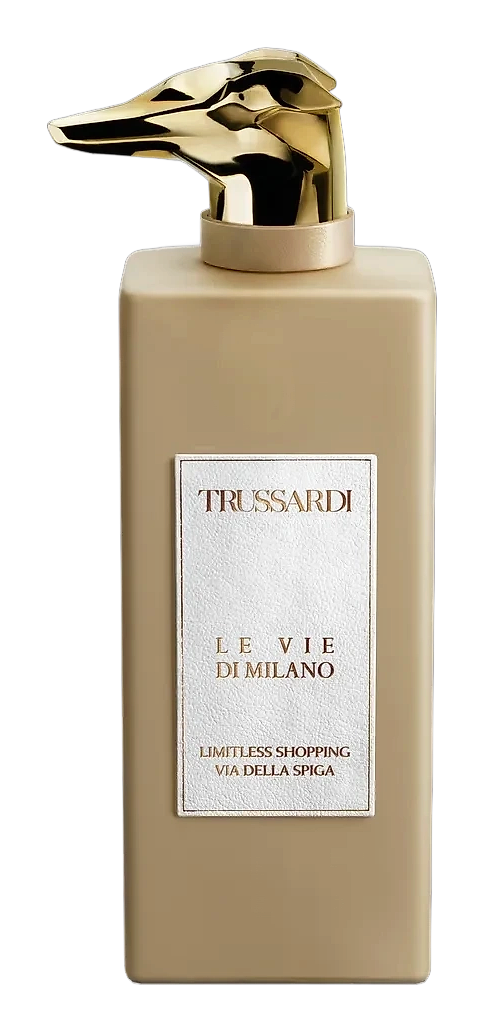


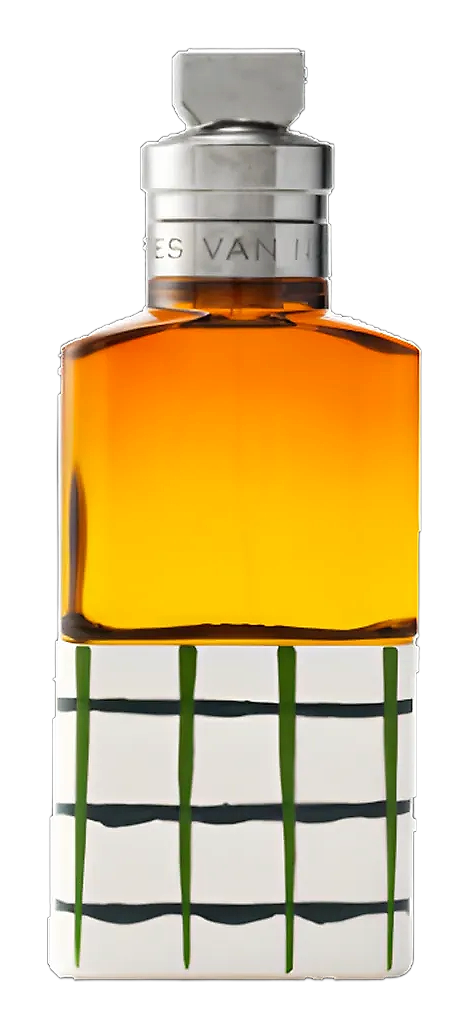
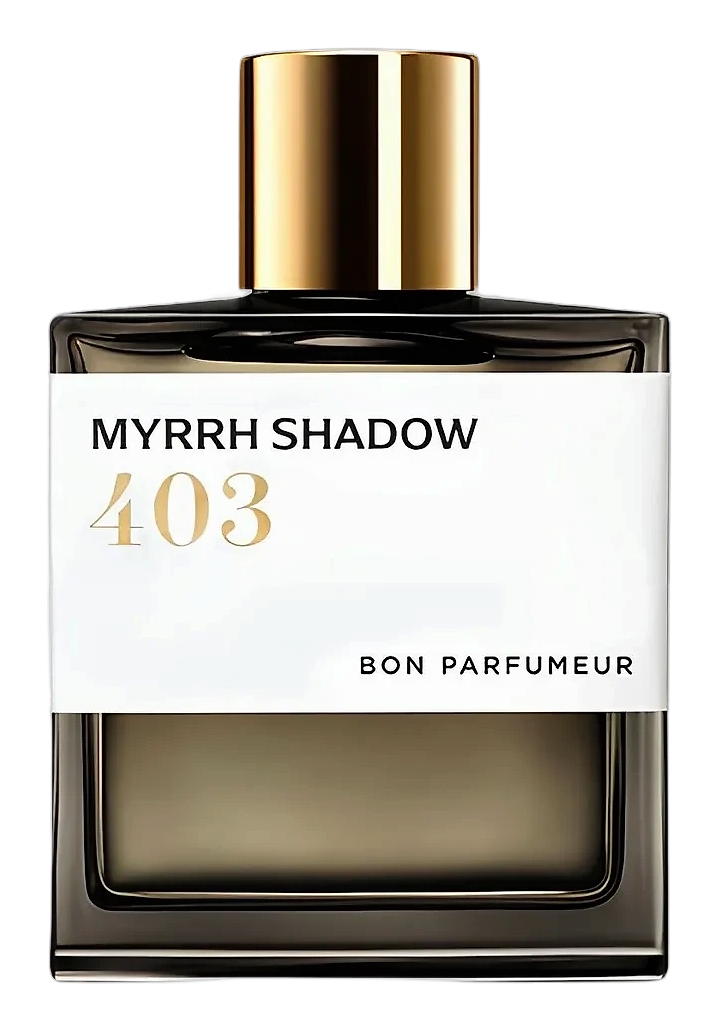
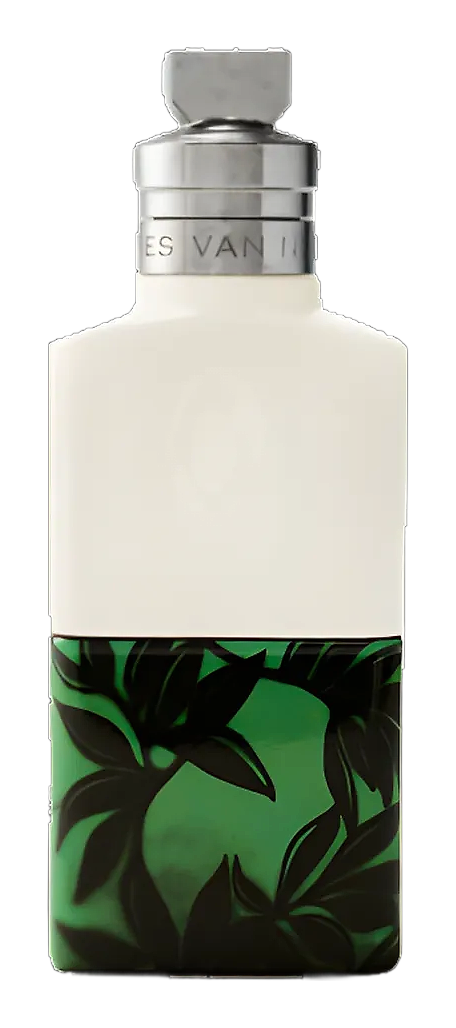


The signature
How Amélie composes
Jacquin favors clean structure with unexpected detail. Her compositions tend to open bright and legible, with a clarity that lets each ingredient read distinctly before the deeper layers unfold. She gravitates toward florals with complexity rather than sweetness, and she has a particular affinity for oleander, which she has cited as her emblematic scent of the South of France. Aromatic herbs, spices, and green notes appear frequently in her work, often arranged to suggest movement or fresh air. She approaches each project with technical precision but allows room for the unexpected, treating accords as building blocks that can be arranged differently each time to create fresh results.
Philosophy
What drives Amélie
For Jacquin, perfume begins long before the lab. She looks first at what she calls the 'feeling' of a project, the story or sensation it needs to communicate, before she ever reaches for a raw material. Food has become a central reference point in her process. She cooks constantly, drawing out how spices transform a dish the way accords transform a fragrance, and she sees direct parallels between seasoning and composition. Her work also leans heavily on atmosphere, on translating environments rather than simply replicating ingredients. She wants her creations to carry the energy of a place or moment, not just its aroma. This approach keeps her versatile, moving easily between commercial projects and more abstract work without sacrificing emotional clarity.